




If you’ve spent any real time at the bench running Western blots, you already know that the membrane you pick can make or break an experiment. It doesn’t matter how clean your gel looks or how careful your transfer setup is — if the membrane underperforms, you’re stuck troubleshooting bands that should have shown up crisp and didn’t. That’s the gap Tailin’s PVDF blotting membrane, marketed under the Immutailin™ line, is built to close.
What Makes PVDF Different From NC in the First Place
Before getting into Tailin’s specific product, it helps to understand why PVDF gets chosen over nitrocellulose so often in the first place. Both membranes serve as the solid-phase support that catches proteins after they’ve been separated on a gel, but they behave quite differently once you’re actually running the assay.
Nitrocellulose is the more traditional option and works fine for a lot of routine work. PVDF, though, tends to pull ahead when you’re dealing with low-abundance targets or when your protocol calls for stripping and reprobing the same membrane multiple times. It’s more chemically resistant, holds up better under repeated washes, and generally gives you a membrane you can reuse without watching your signal degrade after the second or third round.
The Practical Difference in the Lab
In day-to-day terms, this translates into fewer wasted samples. A researcher working with a precious or hard-to-obtain protein doesn’t want to gamble the sample on a membrane that might not bind it well. PVDF’s higher protein-binding capacity means there’s a stronger safety margin — the membrane simply grabs and holds more of what’s in your sample, which matters most when your target is scarce to begin with.
How Tailin’s PVDF Membrane Performs
Tailin built its Immutailin™ PVDF membrane specifically to address the pain points researchers run into with lower-tier membranes: patchy binding, high background noise, and inconsistency from lot to lot.
High Protein-Binding Capacity
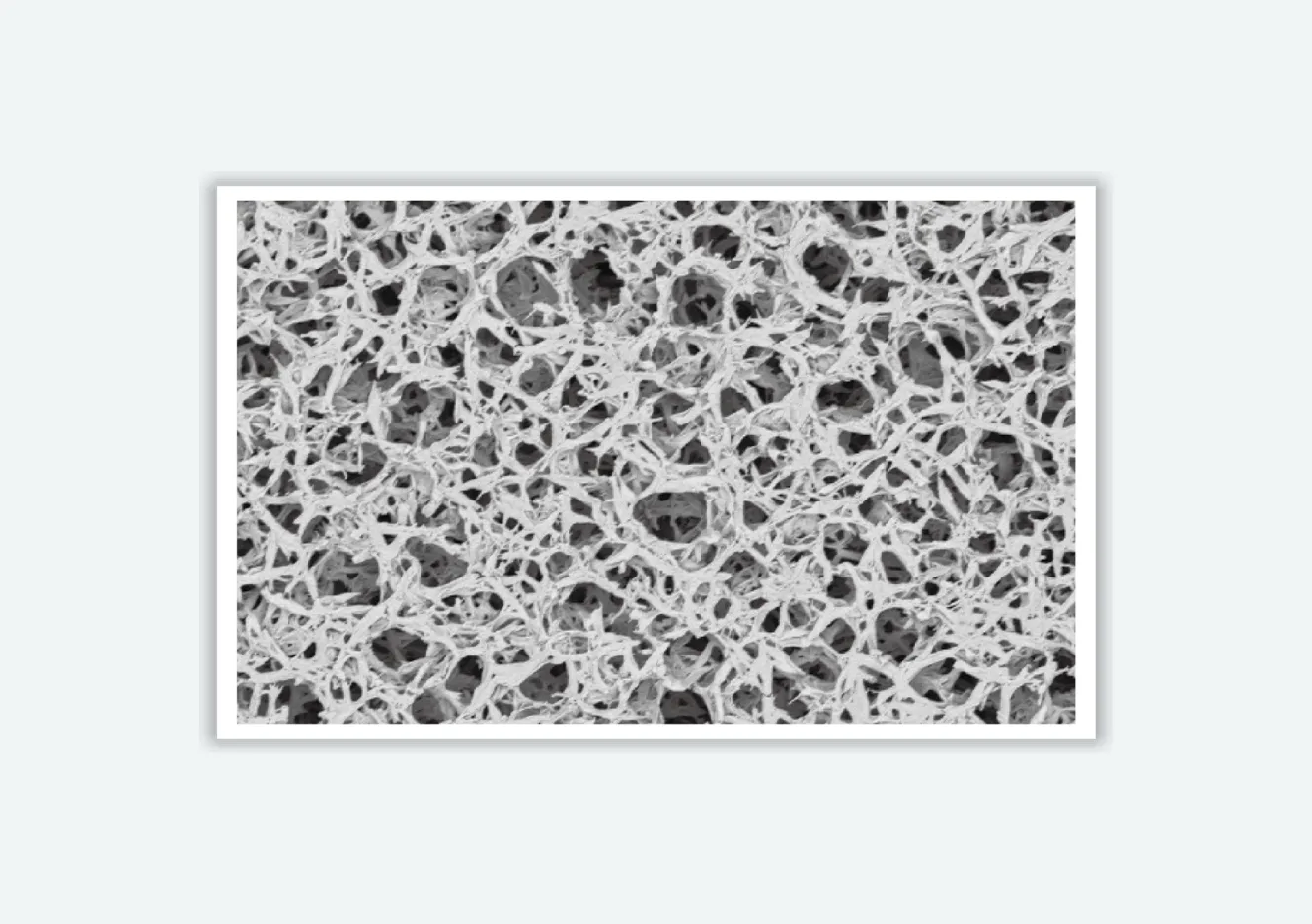
The membrane is engineered for strong, even binding across its surface, which is exactly what you want when detecting proteins present in small quantities. Instead of hoping your low-abundance target shows up faintly, the membrane’s binding characteristics are tuned to give it a real chance of appearing clearly against a clean background.
Chemical Resistance and Reusability
One of the more underrated advantages here is how well the membrane tolerates repeated exposure to staining and destaining solvents. Labs running multiplex detection or needing to strip and reprobe the same blot for several targets will notice the membrane doesn’t degrade the way cheaper alternatives sometimes do. That resilience translates directly into cost savings — fewer repeat transfers, fewer wasted antibodies, and less time lost re-running failed blots.
Low Background, High Signal-to-Noise Ratio
Background noise is one of the most frustrating things to deal with in blotting work, because it’s often not obvious whether the problem is your antibody, your blocking step, or the membrane itself. Tailin’s membrane is designed to keep background interference low, so when a signal does show up faint, you can trust it’s a genuine reflection of low target abundance rather than an artifact of the membrane fighting against you.
Consistency Across Lots
Anyone who has dealt with batch-to-batch variability in consumables knows how much time it can eat up just recalibrating a protocol every time a new lot arrives. Tailin’s manufacturing process is geared toward keeping performance stable across production runs, which matters a great deal for labs running long-term studies or standardized assays where reproducibility isn’t optional.
Where This Membrane Fits Into a Broader Lab Workflow
Protein transfer rarely happens in isolation — it’s usually one step in a larger pipeline that includes sample prep, purification, and often water quality control upstream of the actual experiment. Tailin’s product range reflects that broader context. Alongside its blotting membranes and filtration products, the company also produces instruments like its TOC Analyzer line, which labs use to monitor total organic carbon levels in purified water and water for injection. It’s a different corner of the lab than Western blotting, but the underlying goal is the same: giving researchers instruments and consumables they can rely on without second-guessing the data.
Practical Considerations Before You Switch Membranes
If you’re currently using nitrocellulose and considering a move to PVDF, a few things are worth thinking through first. PVDF typically needs to be activated in methanol before use, which is an extra step compared to NC. It’s a minor inconvenience, but worth building into your protocol if you haven’t worked with PVDF before. Beyond that, most labs find the transition straightforward, and the payoff in signal clarity and reusability tends to outweigh the small added prep time.
It’s also worth requesting a sample before committing to a full order, especially if your lab runs a fairly specific protocol. Membrane performance can vary slightly depending on antibody type, blocking buffer, and transfer conditions, so testing with your own setup gives a more accurate picture than relying on spec sheets alone.
Choosing a blotting membrane isn’t the most glamorous decision in a research workflow, but it’s one of those quiet variables that determines whether your data comes out clean or muddled. Tailin’s PVDF membrane earns its place by focusing on the fundamentals that actually matter at the bench — solid protein binding, resistance to chemical wear, minimal background, and consistency you can count on from one lot to the next. For labs doing serious protein detection work, that combination is worth the switch.
For detailed information, please visit our website or reach out via +86-571-8658-9087 or marketing@tailingood.com. Follow Tailin on Facebook or Linkedln to explore more about the company’s technologies, applications, and future developments.
Read Our One More Blog: Tailin TOC Analyzer for Accurate Water Quality Testing
