

Anyone who has run a pharmaceutical cleanroom knows the problem. You need a decontamination method that kills spores, doesn't wreck your equipment, and doesn't leave the room out of service for a full day. Heat is too harsh for a lot of gear. Wiping with alcohol is slow and depends on whoever is doing the wiping. Vaporized hydrogen peroxide, usually shortened to VHP, sits in the gap between those two, and it's why more facilities are moving to VHP sterilization every year.
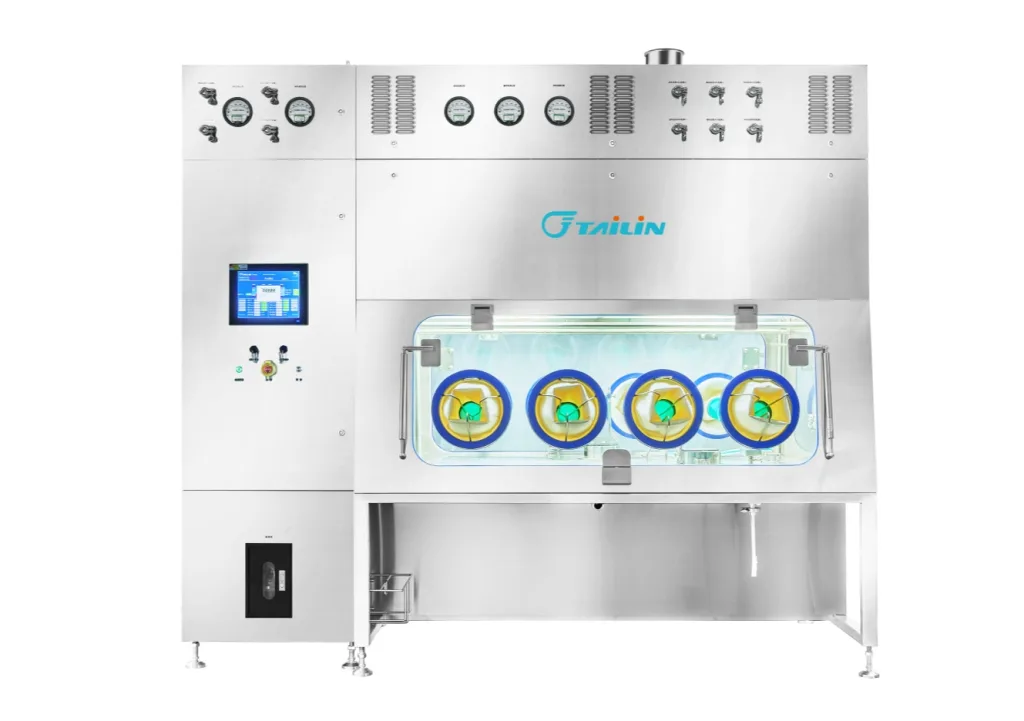
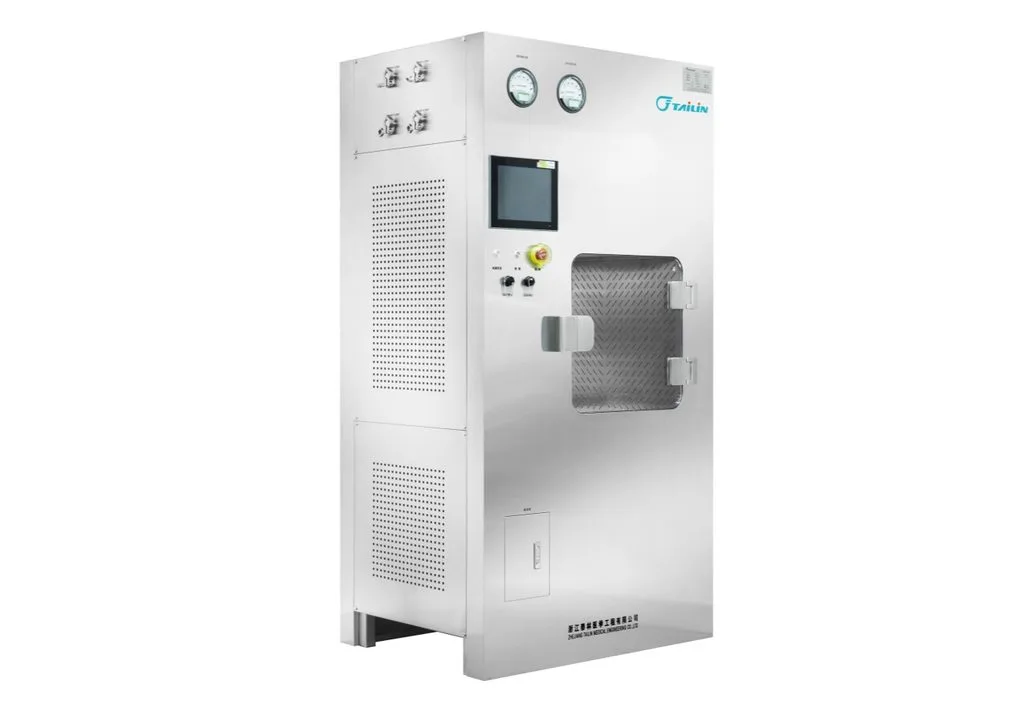
Tailin builds VHP equipment for exactly this kind of work, from compact generators to systems that plug into isolators and pass boxes. Here's how it works in practice and what to check before you commit.
Why VHP Sterilization Has Become the Default in Pharma
It's Gentle on the Room, Tough on the Microbes
VHP kills bacteria, viruses and spores, including the resistant spore formers that serve as the benchmark organism for validation. It does this at low temperatures and leaves no toxic residue behind. The hydrogen peroxide breaks down into water and oxygen during aeration, so there's nothing to rinse off afterward.
That matters more than it sounds. Formaldehyde fumigation, the old workhorse, leaves residues and needs long, unpleasant aeration times. Dry heat can push a chamber to around 120°C and then take hours to cool. VHP skips both problems.
Validation Is Straightforward
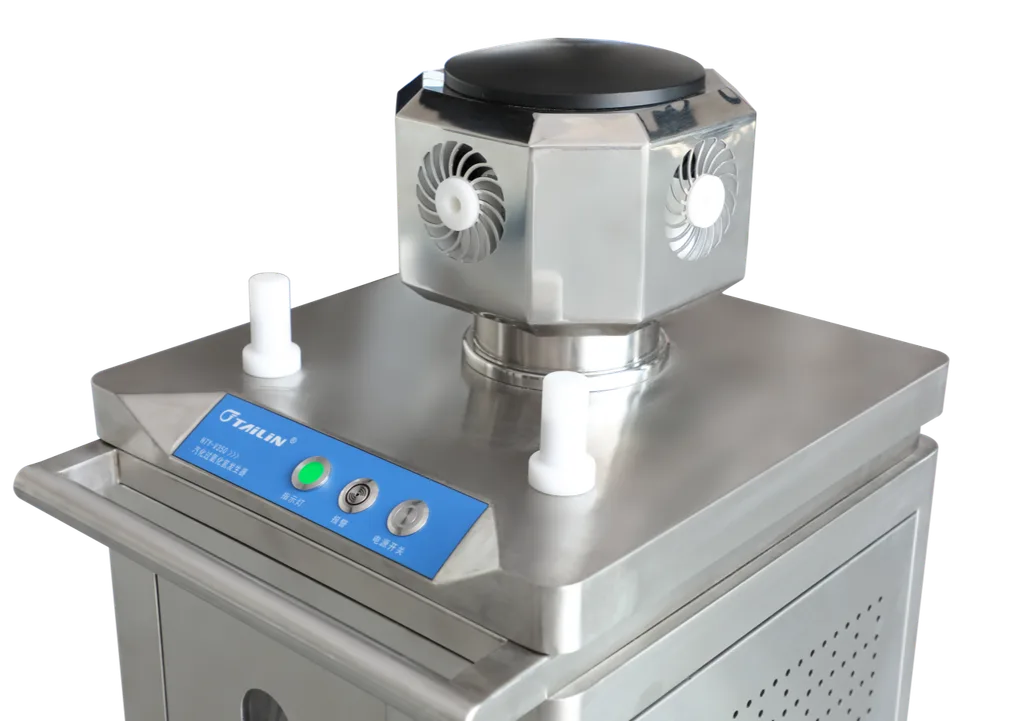
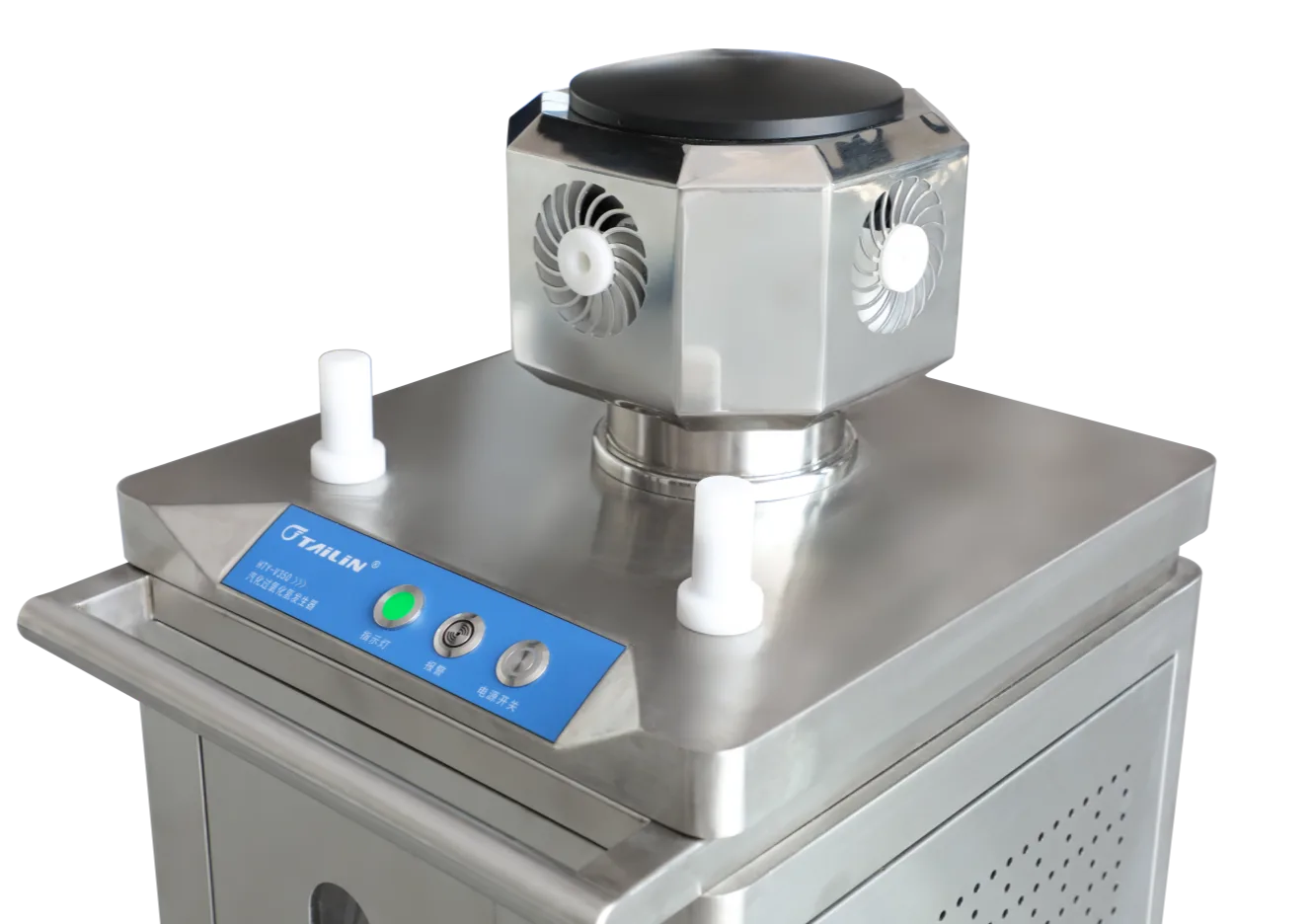
Regulators want proof, not promises. VHP cycles can be verified with biological indicators, and the process produces data you can actually document. Tailin's HTY-V350 generator, for example, has built-in hydrogen peroxide, humidity and temperature sensors, a printer that records data during the run, and three permission levels (operator, supervisor, administrator) so only authorized people can change parameters. That's the sort of setup GMP auditors like to see.
How the Low Temperature VHP Sterilization Process Works
The Four Phases
A low temperature VHP sterilization process is easier to understand once you break it into stages. Most cycles run like this:
Dehumidification. The chamber or room is conditioned so humidity sits in the right range before any vapor goes in.
Conditioning. Hydrogen peroxide vapor is injected until the target concentration is reached.
Decontamination. The concentration is held for the validated exposure time.
Aeration. The vapor is broken down and exhausted until levels are safe again.
Skipping or shortening any of these is a fast way to fail a validation run, so the controller needs to manage the whole sequence rather than just switch a vaporizer on.
Flash Vaporization Is the Core of It
Tailin generators take 35% food-grade hydrogen peroxide solution and turn it into vapor through flash evaporation. Flashing the liquid instantly, instead of slowly heating it, gives a dry, consistent vapor. Dry matters. If the vapor condenses on surfaces, you get wet spots, uneven kill rates and more aeration time. The newer flash vaporization module in the HTY-V350 is reported to be twice as efficient as the previous generation, and the unit can handle enclosed spaces up to 400 m³ with 360° distribution.
Where Tailin Systems Get Used
Pass Boxes and Material Transfer
The VHP pass box is probably the most common entry point. Materials moving from a lower-grade area into a higher-grade one need their outer packaging and surfaces decontaminated first. A generator built into the pass box does this at normal or low temperature, and the door interlocks keep the barrier intact.
Isolators, Safety Cabinets and Gloveboxes
Smaller Tailin units connect by pipe to isolators and biological safety cabinets, which lets you decontaminate a closed volume without opening it up. The same idea extends to incubators and gloveboxes.
Larger Rooms, Hospitals and Animal Facilities
For bigger jobs, the generators handle whole-room terminal disinfection, including hospital rooms, cleanrooms and animal facilities. Some models are small enough to move around easily and can be operated remotely from a touchscreen, so nobody has to stand in the room while the cycle runs.
VHP Sterilization Material Compatibility Testing
Why You Shouldn't Skip It
Here's the part people tend to rush. VHP is gentle compared with heat, but it isn't inert. Hydrogen peroxide is an oxidizer, and some materials don't like repeated exposure. Certain elastomers can harden or swell. Some plastics get cloudy or brittle. Copper and brass can tarnish. Cellulose-based packaging, like paper and cardboard, can absorb the vapor, which slows aeration and can pull the concentration down.
VHP sterilization material compatibility testing catches these issues before they turn into a production problem. Stainless steel 316L, which most pharma-grade chambers use, tends to do very well. Gaskets, tubing, sensors, cables and viewing panels are where the surprises usually come from.
A Practical Way to Run the Tests
Nothing exotic is needed. Start with a list of every material that will actually see vapor: walls, seals, glove ports, filters, instrument housings, product packaging. Expose representative samples to the full cycle, then repeat it many times to simulate months or years of use. Check for color change, surface texture, flexibility, mass change and any loss of function. Where a material fails, swap it for a compatible one rather than shortening the cycle.
Ask your equipment supplier for their compatibility data early. It saves a lot of back-and-forth later.
Choosing a VHP System That Fits Your Site
Questions Worth Asking
Before buying anything, get clear on a few basics. How large is the space or chamber? Will you run cycles in a fixed enclosure, or move the generator between locations? Do you need pipe connections to an isolator? What data do you have to record for your quality team? And how quickly does your schedule need the room back?
Sensor accuracy is worth checking too. Tailin's system pairs its sensors with calibration certificates traceable to NIST and a stated service life of up to seven years, which takes some of the guesswork out of long-term validation.
VHP isn't magic, and it won't fix a poorly designed workflow. But when the process is properly validated, the materials have been tested, and the generator delivers dry, evenly distributed vapor, it's one of the cleanest and most repeatable ways to protect a sterile environment. For facilities that want low-temperature decontamination without the residue, the heat or the long downtime, Tailin VHP sterilization is well worth a serious look.
For detailed information, please visit https://www.tailinscitech.com/ or reach out via +86-571-8658-9087 or marketing@tailingood.com. Follow Tailin on Facebook or Linkedln to explore more about the company’s technologies, applications, and future developments.