

A sterility test can take days to complete, yet a single contamination event during sample handling may put the entire result into question. For pharmaceutical quality control teams, that means more than repeating laboratory work. It can delay batch release, complicate investigations, and raise concerns about the reliability of the testing process.
This is where a well-designed Sterility test isolator makes a difference. By separating operators from sensitive samples and maintaining a controlled aseptic environment, isolators help laboratories reduce contamination risks without making everyday testing unnecessarily complicated.
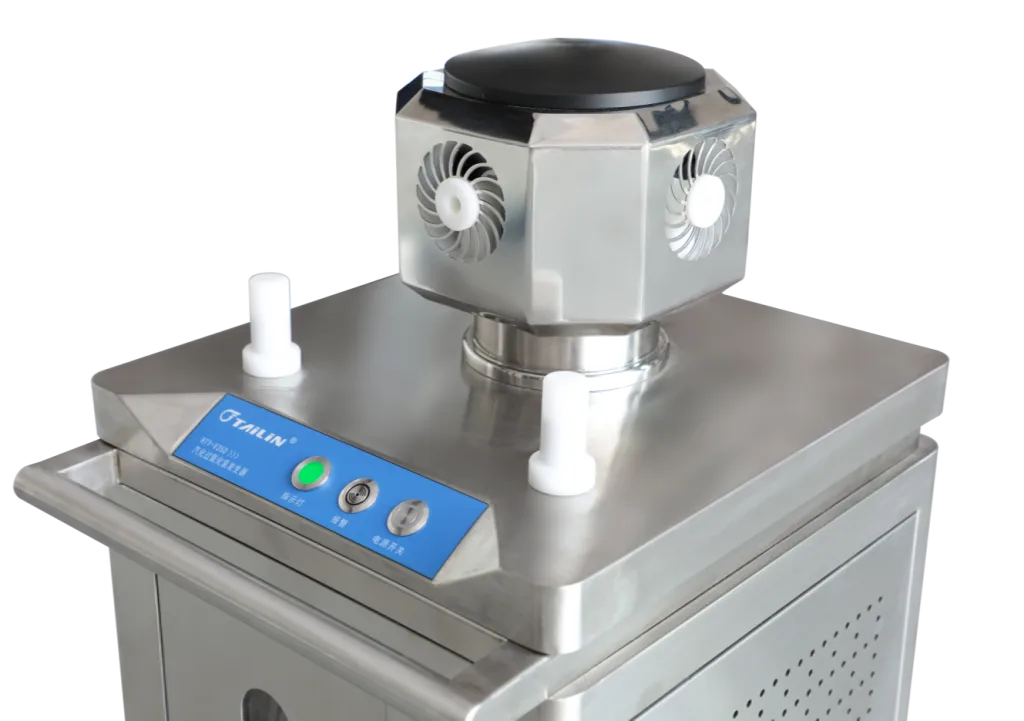
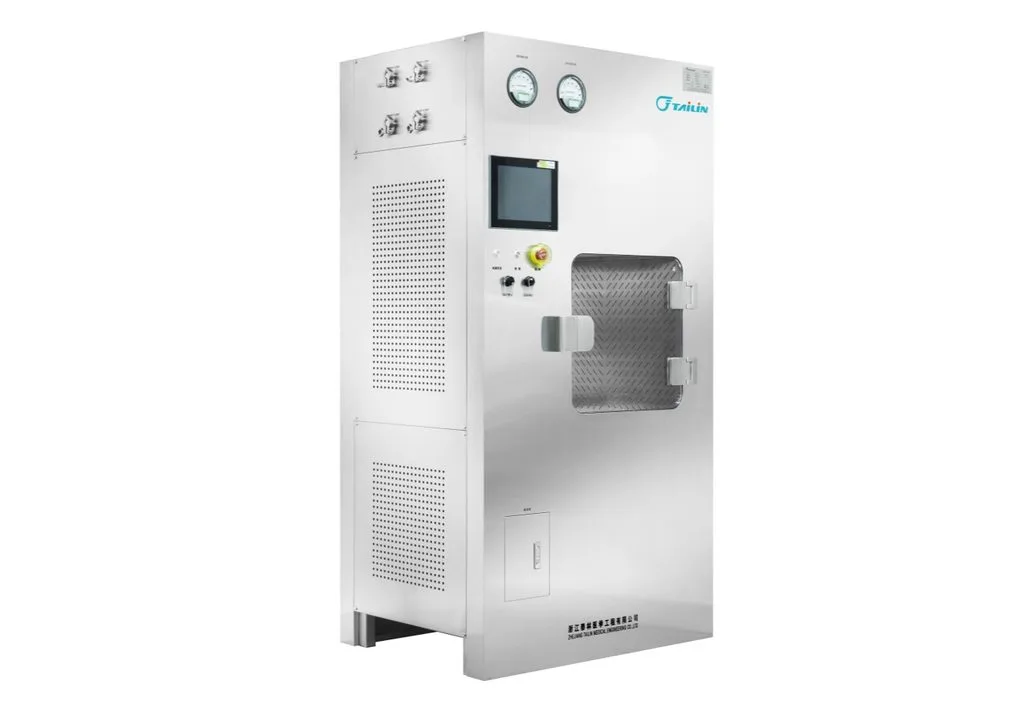
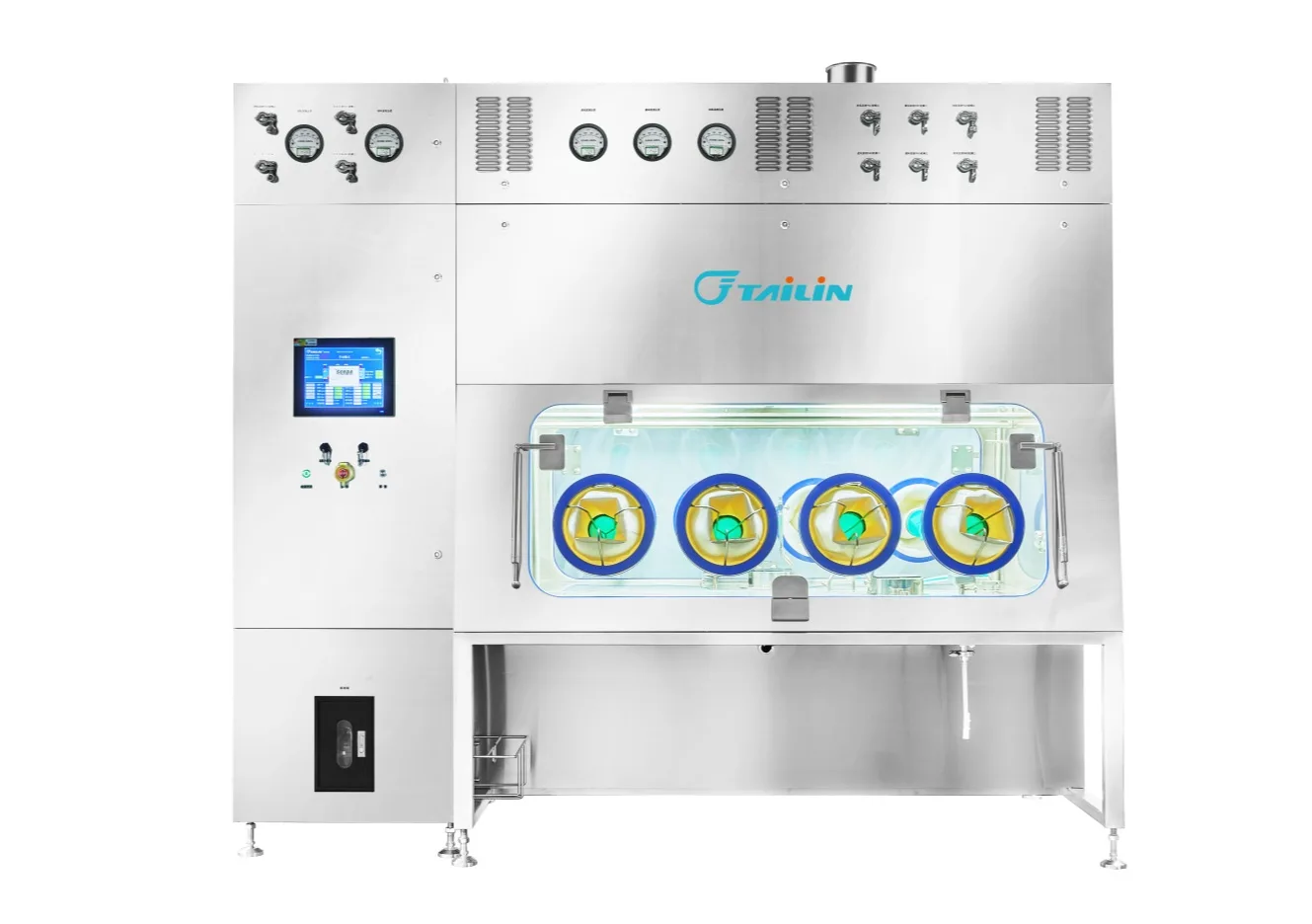
Tailin's HTY Series Sterility Test Isolator brings together physical containment, automated environmental control, and vaporized hydrogen peroxide technology in a system developed for pharmaceutical quality control.
Why Pharmaceutical Laboratories Need Better Contamination Control
Sterility testing presents a particular challenge: laboratories must detect microbial contamination in a product while preventing microorganisms from the surrounding environment from entering the test.
Traditional cleanroom procedures depend heavily on operator discipline, gowning practices, and environmental conditions. Even experienced technicians can introduce contamination during routine handling.
A closed barrier sterility test isolator addresses this problem by placing a physical separation between the operator and the testing area.
Creating a Reliable Grade A Environment
Tailin's HTY Series provides an ISO 5 / GMP Grade A working environment supported by H14 HEPA filtration.
Its rigid stainless-steel and tempered-glass construction makes it a hard wall sterility testing isolator suitable for demanding laboratory operations.
Operators work through glove ports rather than reaching directly into the testing chamber. Inflatable silicone seals help maintain enclosure integrity, while automated pressure and airflow controls support stable working conditions.
For laboratories handling sterile pharmaceuticals, injectable products, or biological preparations, these features provide an additional level of contamination control.
Integrated VHP Decontamination Simplifies Preparation
Before testing begins, the isolator's internal surfaces must undergo an appropriate bio-decontamination process.
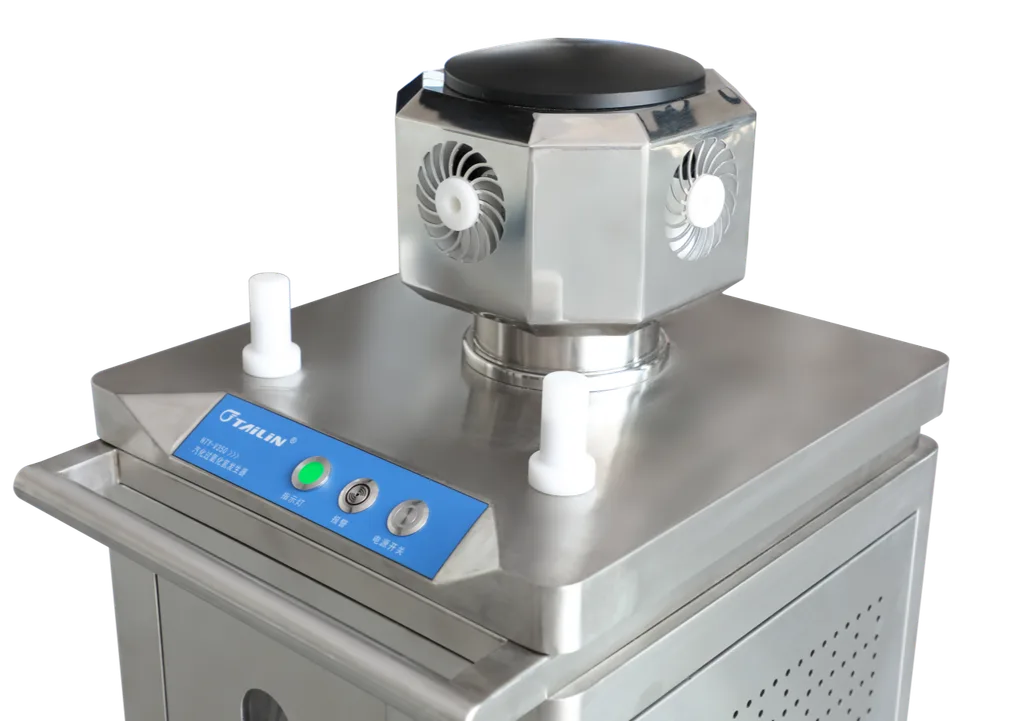
A sterility test isolator with VHP decontamination uses vaporized hydrogen peroxide to reduce microbial contamination inside the chamber.
Tailin integrates this technology directly into the HTY Series, allowing laboratories to manage decontamination as part of their established operating procedures.
Controlled Decontamination without Unnecessary Complexity
The system controls hydrogen peroxide concentration and operating conditions during the decontamination cycle.
According to Tailin's published specifications, the HTY Series is designed to achieve at least a 6-log microbial reduction under qualified conditions.
After the aeration stage, the specified residual hydrogen peroxide concentration is below 1 ppm.
These capabilities make the VHP integrated sterility testing isolator particularly useful for laboratories seeking repeatable preparation procedures.
However, successful decontamination still depends on validated cycles, appropriate loading arrangements, and routine performance checks.
Practical Features That Matter During Daily Testing
Laboratory equipment should support the people using it, not create additional obstacles.
Tailin's HTY Series combines automated monitoring with features intended to make routine sterility testing more manageable.
The system monitors environmental parameters such as pressure, temperature, humidity, and airflow. Automated pressure-loss alarms help operators recognize conditions that may require attention.
Chamber and Glove Integrity Testing
A sealed chamber is only effective when its barrier remains intact.
Tailin provides automatic chamber leak testing using a pressure-decay method based on ISO 10648-2. Its published specification indicates a leakage rate below 0.5% of chamber volume per hour when tested at twice the working pressure.
The integrated glove integrity testing system can identify defects as small as 100 micrometers.
These checks are especially valuable because gloves experience repeated movement during daily laboratory work.
Supporting Data Integrity
The HTY Series also offers electronic record management and audit-trail functionality to support regulated pharmaceutical operations.
Depending on the selected software configuration and laboratory implementation, these features can help support 21 CFR Part 11 requirements.
For QC managers, reliable records make it easier to review operating conditions, investigate deviations, and prepare for inspections.
Validation Should Be Part of the Equipment Decision
Choosing an isolator involves more than reviewing filtration performance or chamber dimensions.
Laboratories must also consider how the equipment will be qualified and maintained throughout its service life.
A comprehensive sterility test isolator validation protocol typically addresses installation qualification, operational qualification, performance qualification, and bio-decontamination cycle studies.
How Tailin Supports Qualification
Tailin offers validation-related documentation and services covering IQ, OQ, PQ, factory acceptance testing, and site acceptance testing.
Support may also include biological indicator studies, hydrogen peroxide residue testing, and decontamination effectiveness reports.
These activities help laboratories establish documented evidence that their isolator performs as intended.
Importantly, equipment qualification does not replace the laboratory's responsibility to validate its complete sterility testing procedure.
Finding the Right Isolator for Your QC Laboratory
Not every laboratory has the same available space, testing volume, or workflow.
An aseptic isolator for pharmaceutical QC laboratory applications should be selected according to actual operating requirements rather than chamber size alone.
For facilities considering a compact sterility test isolator for QC lab use, workspace dimensions, glove accessibility, transfer arrangements, and maintenance access all deserve attention.
Tailin offers customizable HTY configurations, including the HTY-1650AG3, HTY-1800G4, and HTY-1800G8.
Optional equipment includes integrated sterility test pumps, particle counters, air samplers, and additional integrity testing devices.
These options allow laboratories to configure a system around their testing procedures.
When evaluating a Grade A sterility test isolator supplier, pharmaceutical manufacturers should look beyond the equipment's initial specifications.
Long-term performance depends on dependable contamination control, accessible validation support, practical maintenance, and compatibility with established laboratory procedures.
Tailin combines hard-wall isolation technology, integrated VHP decontamination, automated integrity testing, and configurable monitoring functions within its HTY Series.
For laboratories upgrading their sterility testing facilities, these capabilities offer a practical foundation for more consistent operations.
Reliable sterility testing begins with a controlled environment, but it also requires qualified equipment, trained operators, and carefully maintained procedures. Tailin's Sterility Test Isolator is designed to bring those elements together, helping pharmaceutical QC teams protect the integrity of their work while keeping everyday testing efficient.
To learn more about Tailin’s products and solutions, visit website. For inquiries, contact +86-571-8658-9087 or email marketing@tailingood.com. Stay connected through Tailin’s official YouTube or Linkedln channels for the latest updates and insights.