

A pharmaceutical cleanroom can have excellent air filtration, carefully controlled pressure levels and strict personnel protocols, yet contamination can still find its way inside through something as ordinary as a box of packaging materials. Every instrument, production accessory or laboratory sample entering a controlled environment presents a potential contamination risk. What makes material transfer particularly challenging is that microorganisms are invisible, and apparently clean surfaces are not necessarily microbiologically safe.
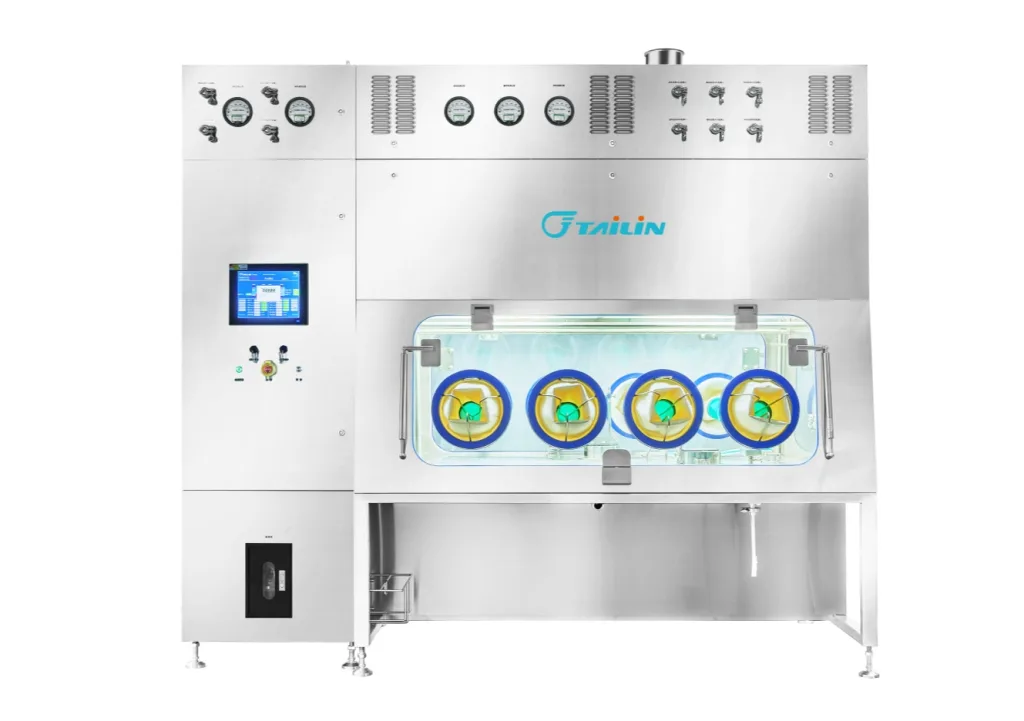
The Sterile Pass Box provides a controlled passage between areas with different cleanliness classifications. Materials can enter critical production zones without personnel moving unnecessarily between rooms or directly exposing sensitive environments to outside air.
For pharmaceutical manufacturers dealing with increasingly demanding aseptic manufacturing requirements, this equipment deserves considerable attention. Tailin has developed sterile transfer solutions that incorporate vaporized hydrogen peroxide technology, HEPA filtration and automated decontamination, addressing several practical challenges associated with everyday cleanroom operations.
Why a Sterile Pass Box Matters in Pharmaceutical Manufacturing
Material movement is a routine part of pharmaceutical production. Packaging components, sampling instruments, environmental monitoring devices and manufacturing accessories may need to pass through multiple controlled areas before reaching their final destination.
Without an appropriate transfer system, each movement creates another opportunity for contamination. Even when employees follow established cleaning procedures, microorganisms may remain on exposed material surfaces.
A pharmaceutical sterile transfer pass box helps manage this risk by creating a separate, enclosed space where materials can undergo controlled treatment before entering a higher-grade environment.
Another benefit is the reduction of unnecessary personnel movement. Employees do not need to repeatedly enter and exit cleanrooms simply to deliver small production components. This makes daily operations more manageable while reducing disturbances to the surrounding controlled environment.
Maintaining Separation Between Cleanroom Zones
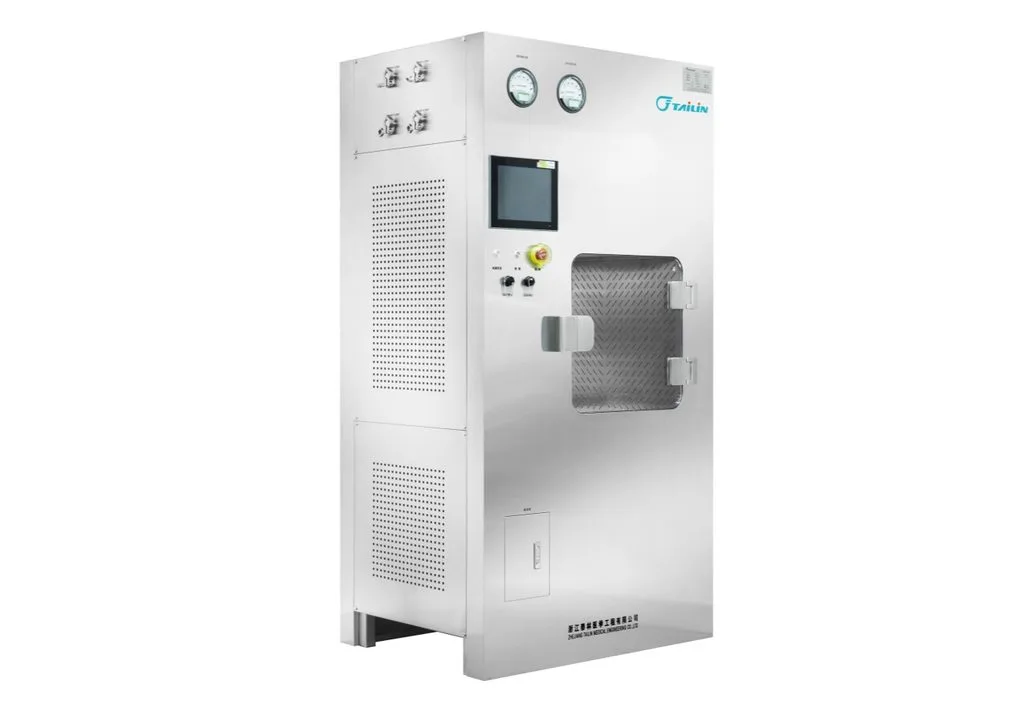
A sterile pass through box typically incorporates two doors facing separate controlled areas. An interlocking mechanism prevents both doors from being opened simultaneously, helping preserve environmental separation.
In pharmaceutical facilities, where pressure differentials and airflow patterns have been carefully established, this relatively simple design feature plays an important role in maintaining cleanroom integrity.
Advanced systems take this protection further by incorporating biological decontamination and active air filtration.
Static vs Dynamic Pass Box: Understanding the Difference
When selecting a material transfer system, purchasing teams often encounter the question of static vs dynamic pass box configurations. Although both designs support controlled material movement, their contamination control capabilities differ considerably.
Static Pass Boxes
A static pass box generally functions as an enclosed transfer chamber without an independent active air circulation system. It provides physical separation between rooms, with contamination control largely dependent on surrounding environmental conditions and established cleaning procedures.
These units are commonly considered for transfers between areas with similar cleanliness requirements.
However, a conventional static chamber does not necessarily provide sufficient protection when materials are introduced into particularly sensitive aseptic environments.
Dynamic Pass Boxes
A dynamic sterile pass box with HEPA filter incorporates active air circulation and filtration to control airborne particles within the transfer chamber.
This additional environmental control makes dynamic systems more suitable for applications where maintaining a high level of internal air cleanliness is essential.
Nevertheless, HEPA filtration alone does not decontaminate microorganisms attached to material surfaces. For pharmaceutical operations requiring validated biological surface decontamination, an integrated VHP system offers an additional layer of protection.
How a VHP Sterile Pass Box Improves Contamination Control
One difficulty with conventional material transfer is that surface wiping may produce inconsistent results, particularly when materials have irregular shapes or difficult-to-access areas.
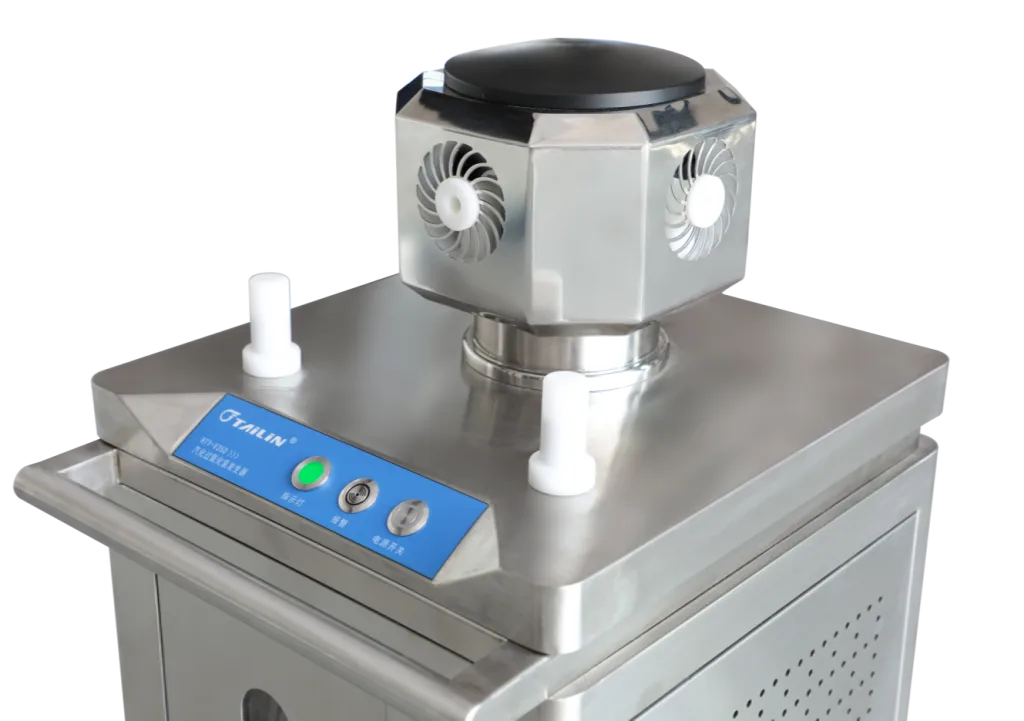
A VHP sterile pass box addresses this challenge through the application of vaporized hydrogen peroxide inside a sealed chamber. The vapor circulates around exposed surfaces, deactivating microorganisms when the appropriate process conditions are achieved.
Unlike conventional high-temperature sterilization methods, VHP decontamination takes place at relatively low temperatures. This makes it particularly useful for compatible production accessories, packaging materials and instruments that cannot tolerate excessive heat.
Automated Decontamination and Process Monitoring
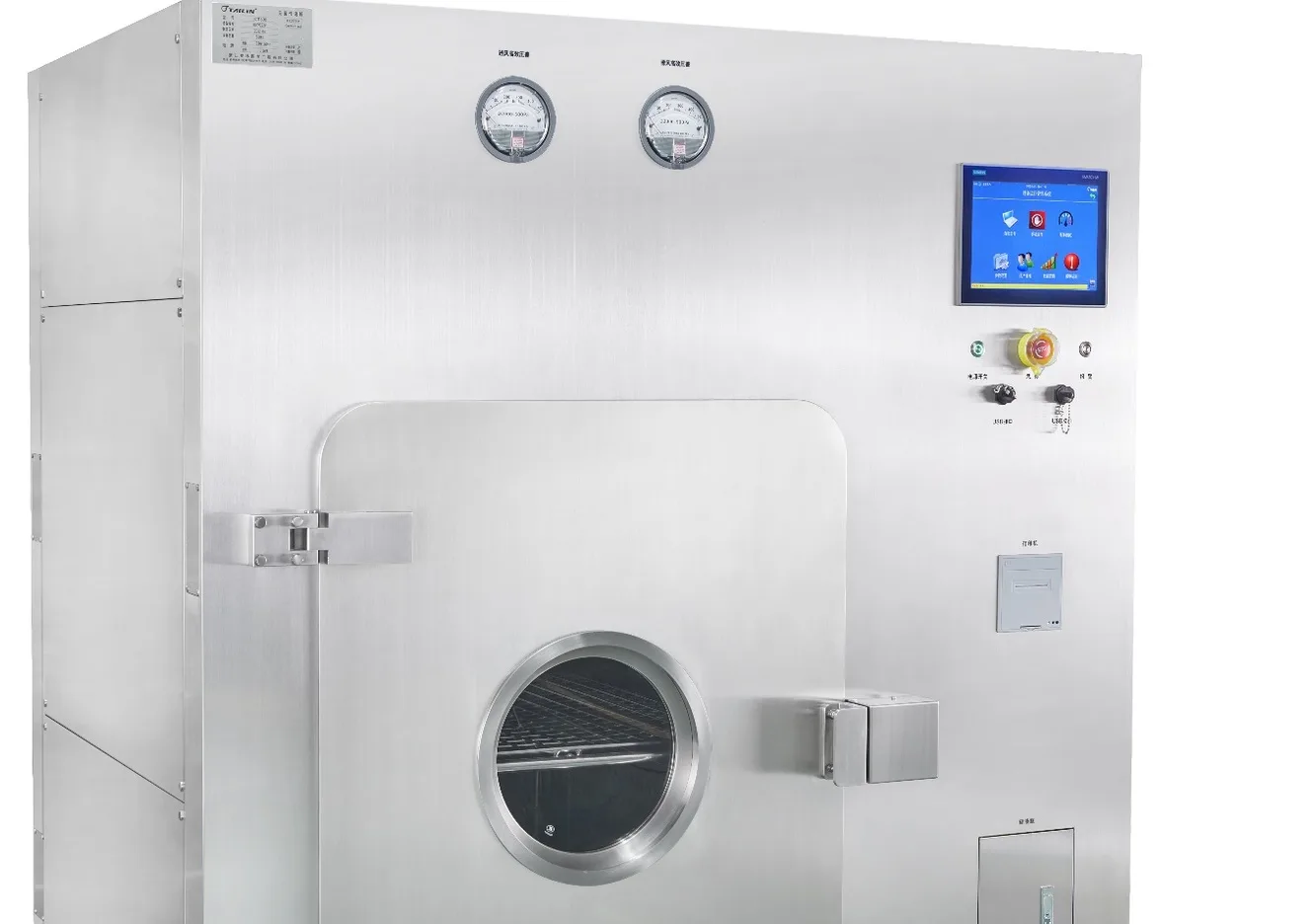
Tailin integrates hydrogen peroxide vapor generation with PLC-based chamber controls, allowing operators to establish process parameters before initiating an automated cycle.
Temperature, humidity and chamber pressure are monitored throughout operation. Once treatment is complete, the aeration process reduces residual hydrogen peroxide to the specified release level.
Automation also helps minimize variations associated with manual treatment. For quality assurance personnel, recorded process parameters provide valuable information when reviewing completed cycles or investigating deviations.
Actual decontamination performance must still be demonstrated through qualification and validation using representative material loads.
Tailin Sterile Pass Box Solutions for Modern Cleanrooms
Not every pharmaceutical facility handles the same materials or follows identical production procedures. Airflow requirements, chamber dimensions and transfer frequency can differ significantly between manufacturing sites.
Tailin offers two sterile transfer chamber configurations to accommodate different operational requirements.
Tailin STP Series – Turbulent Airflow Design
The Tailin STP Series Sterile Pass Box uses turbulent air movement to encourage hydrogen peroxide vapor distribution throughout the chamber.
This configuration is particularly relevant when production teams handle multilayer material loads. Its pneumatic door seals and locking mechanisms help maintain chamber containment during treatment.
According to Tailin’s technical specifications, the STP Series features:
- GMP Grade A internal cleanliness
- H14 HEPA supply and exhaust filtration
- A biological decontamination capability of at least 6-log reduction
- A specified 150-minute decontamination cycle
- Residual hydrogen peroxide concentration of no more than 1 ppm
- SUS316L stainless steel chamber construction
Custom chamber dimensions are also available to accommodate different material sizes and facility layouts.
Tailin PBL Series – Vertical Laminar Airflow
The Tailin PBL Series Sterile Pass Box combines integrated VHP decontamination with vertical unidirectional airflow.
Its configuration is designed for applications requiring controlled airborne particle levels within a Grade A chamber. Typical uses include transferring compatible tools, pharmaceutical materials and heat-sensitive items into critical aseptic areas.
The PBL Series also incorporates pneumatic door interlocking, automated monitoring, cycle documentation and H14 HEPA filtration.
Both configurations support equipment qualification and on-site validation, with control system features designed to address FDA 21 CFR Part 11 requirements.
Choosing the Right Sterile Pass Box for Cleanroom Operations
A common purchasing mistake is selecting a transfer chamber based primarily on its dimensions and initial cost. While these factors matter, they reveal relatively little about how well the equipment will perform during actual production.
Manufacturers evaluating a VHP sterile pass through box for cleanroom applications should consider material compatibility, airflow distribution, loading arrangements, cycle duration and documentation requirements.
Throughput deserves particular attention. A chamber that cannot accommodate routine production loads may create unnecessary delays, regardless of its technical performance. Similarly, oversized equipment may occupy valuable cleanroom space without providing meaningful operational benefits.
Working with an experienced interlocked sterile pass box manufacturer can help engineering teams identify these issues during the equipment planning stage rather than after installation.
The availability of qualification services, maintenance support and customized configurations should also influence the purchasing decision.
Making Sterile Material Transfer More Reliable
Aseptic manufacturing depends on hundreds of small, carefully controlled activities. Material transfer is one of those activities that rarely receives much attention until something goes wrong.
A properly selected and validated Sterile Pass Box can help reduce contamination risks, improve transfer consistency and make routine cleanroom operations easier to manage. Its value extends beyond physical separation, particularly when active filtration, biological decontamination and reliable process documentation are incorporated into the same system.
With its STP and PBL Series, Tailin provides pharmaceutical manufacturers with flexible options for different airflow requirements and production environments.
For facilities planning a new aseptic production line or upgrading an existing material transfer system, investing in the right equipment is a practical step toward stronger contamination control and more dependable pharmaceutical manufacturing.
For more information, please visit official website or contact Tailin directly at +86-571-8658-9087 or marketing@tailingood.com. You may also follow Tailin on Facebook to stay updated on the latest products, technologies, and industry insights.