
Since 2020, mRNA vaccines have rapidly demonstrated the commercial potential of nucleic acid therapeutics. As mRNA technology continues to expand into areas such as cancer immunotherapy, protein replacement therapy, and gene-editing-assisted therapies, innovative pharmaceutical companies worldwide are accelerating the transition of mRNA drugs from laboratory research to clinical development and commercial manufacturing.
However, compared with conventional small-molecule drugs, mRNA drugs present unique manufacturing challenges:
As a result, establishing a GMP-compliant manufacturing system is a critical factor in determining whether mRNA drugs can move successfully into scalable commercial production.
From FDA requirements for sterile drug manufacturing to EU GMP Annex 1 -Manufacture of Sterile Medicinal Products, global regulatory frameworks continue to place greater emphasis on Contamination Control Strategy (CCS), aseptic process design, isolation technologies, and end-to-end risk management. FDA requirements for sterile drug manufacturing call for appropriate CGMP controls to minimize the risk of microbial contamination, while the 2022 revision of EU GMP Annex 1 emphasizes a comprehensive CCS covering facilities, equipment, personnel, processes, and monitoring systems, with engineering controls used to reduce contamination risks associated with human intervention.
Against this backdrop, advanced manufacturing equipment has become a critical part of the infrastructure required for mRNA commercialization.
Traditional cleanrooms rely heavily on environmental control to maintain sterile conditions. However, as advanced biopharmaceutical products become increasingly complex, environmental control alone may not be sufficient to meet the requirements of future commercial manufacturing.
EU GMP Annex 1 emphasizes:
FDA also recognizes the value of closed systems and advanced technologies such as isolators in reducing the potential for contamination from personnel and the surrounding environment during sterile processing.
For mRNA drugs, a reliable contamination control system is required throughout the entire manufacturing process—from plasmid template preparation, in vitro transcription, and purification to lipid nanoparticle (LNP) encapsulation and aseptic filling.
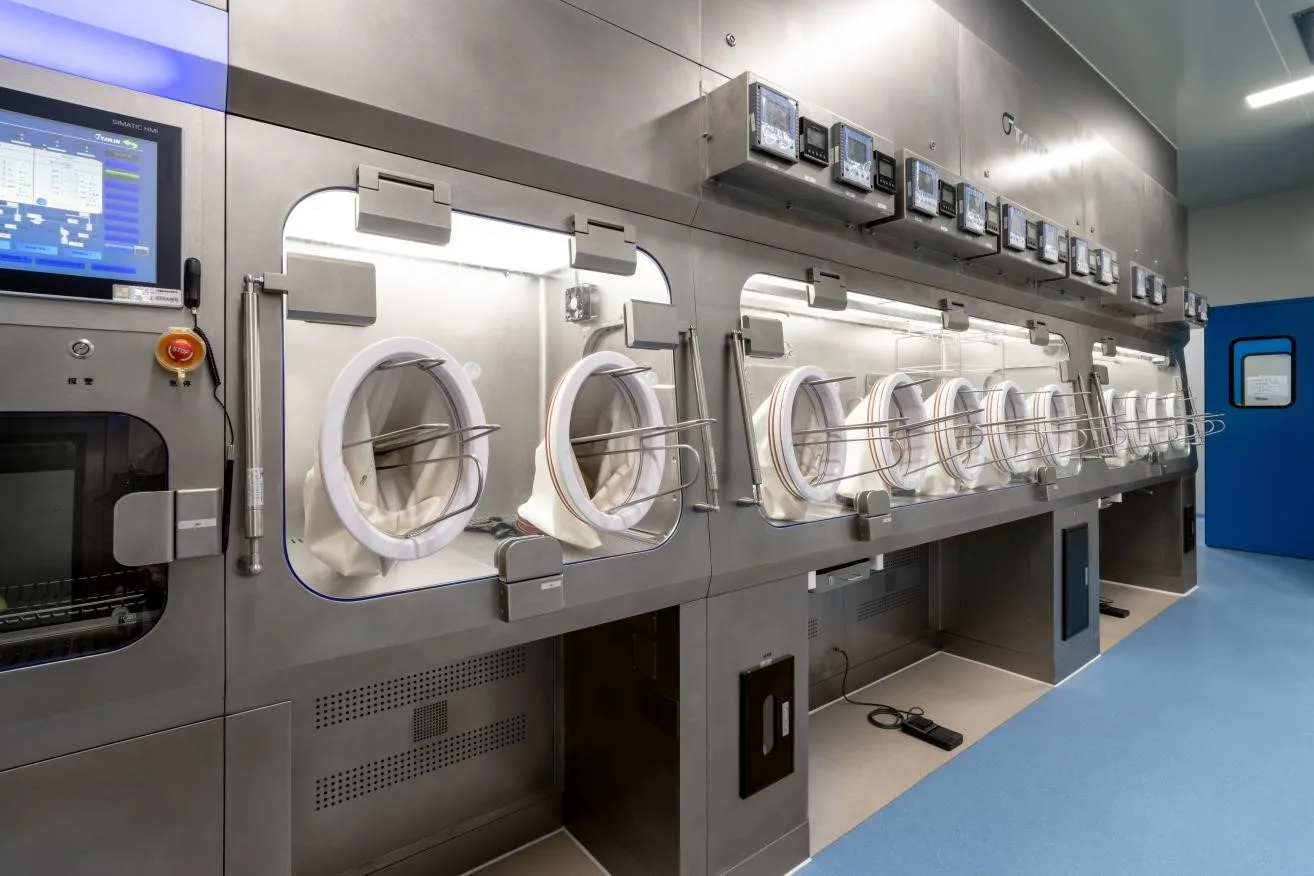
To support the commercialization of Advanced Therapy Medicinal Products (ATMPs), Tailin has developed Cell and Gene Therapy Isolator designed to meet GMP manufacturing requirements.
The system uses customized closed isolator technology to replace conventional open operations, providing a controlled and enclosed operating environment for cell processing, cell and plasmid handling, viral vector filling and dispensing, and quality control.
Key benefits include:
The isolator creates an independent Grade A operating environment that physically separates Personnel, Products and the Surrounding Environment.
This helps minimize the risk of microbial contamination associated with human intervention.
The future commercial manufacturing model for mRNA drugs is expected to feature:
Small batches, multiple products, and rapid changeovers.
Tailin’s modular isolation technology helps improve manufacturing flexibility and supports the rapid iteration and development of innovative pharmaceutical products.
mRNA drug formulations typically feature:
Therefore, aseptic filling is not only critical to product quality but also directly affects the scalability of commercial manufacturing.
Under FDA sterile manufacturing requirements, sterile drug products must be manufactured using validated aseptic processes, with product safety ensured through appropriate equipment design, process controls, and validation strategies.
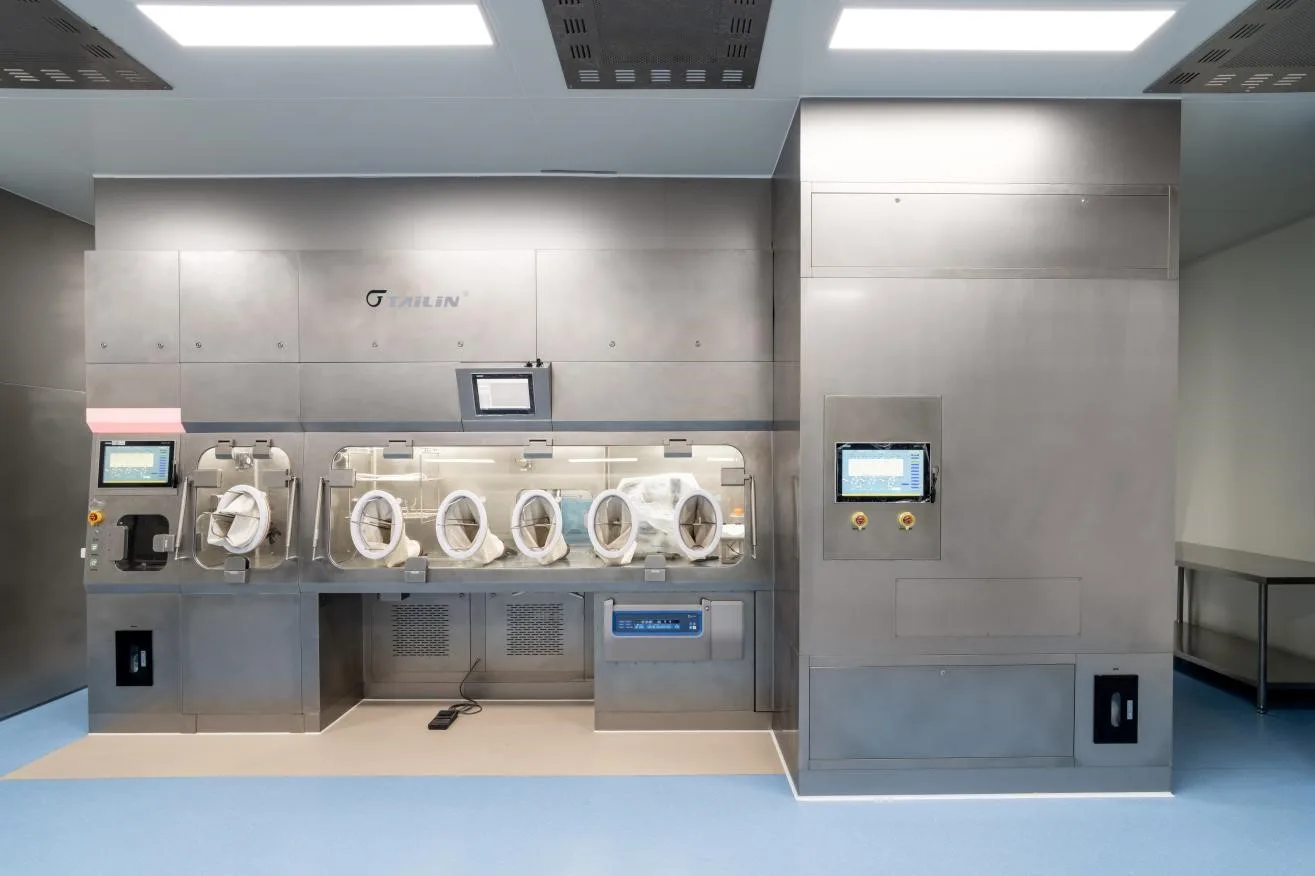
Tailin’s aseptic filling workstation integrates:
to help pharmaceutical manufacturers establish aseptic filling solutions suited to the future production requirements of mRNA drugs.
The conventional growth-based sterility test described in USP <71> Sterility Tests requires an incubation period of at least 14 days. While this method remains an important compendial sterility test, its long turnaround time can present challenges for short-life products and products requiring rapid release.
This limitation has been recognized internationally.
The Microbial Respiration Signal Method has emerged as one of the recommended technical approaches.
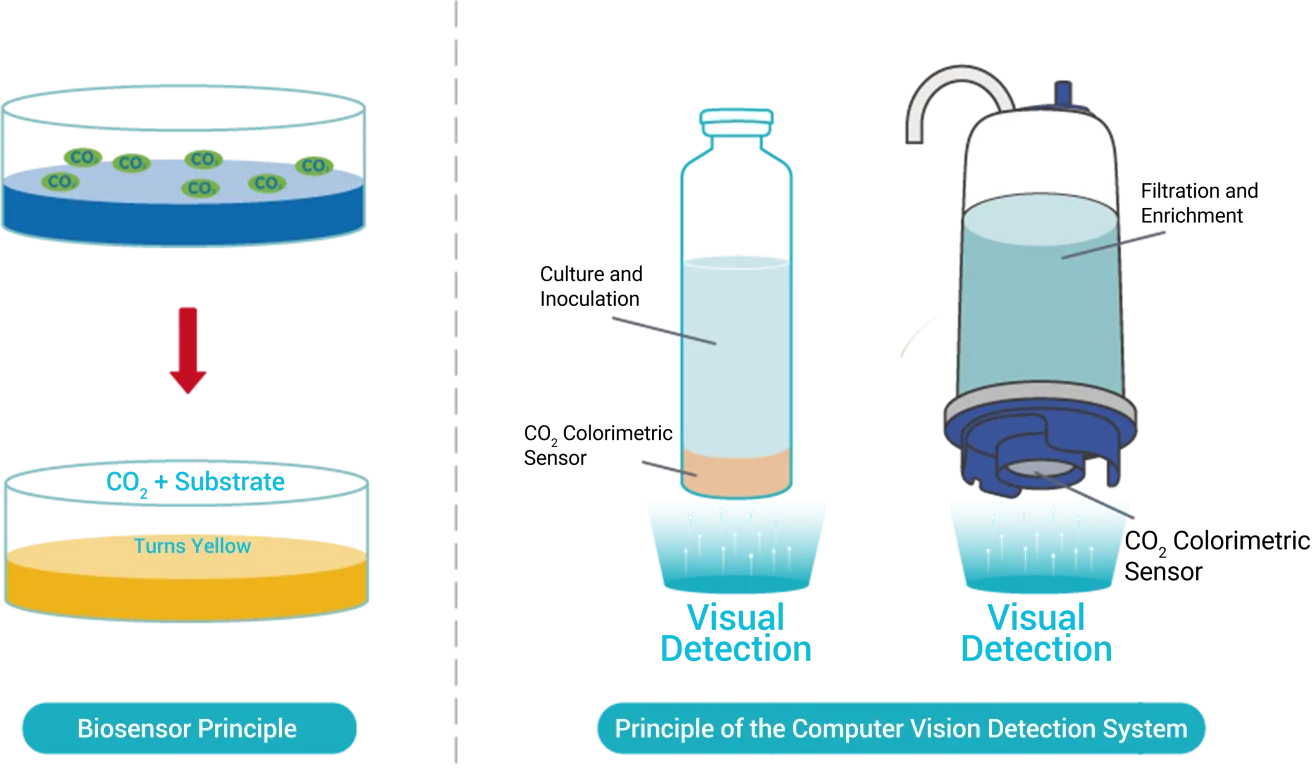
The Tailin AST-300 Rapid Sterility Test System uses microbial respiration and metabolic signal detection technology. Through automated incubation and intelligent result interpretation, the system enables rapid sterility testing.
For short-life products and advanced therapies, sterility testing is closely associated with product quality, clinical-use windows, and patient safety.
Respiration-based microbiological methods continuously monitor CO₂ signals generated by microbial metabolism, transforming the conventional incubation process from a manually observed endpoint test into a dynamic process that can be recorded, analyzed, and traced.
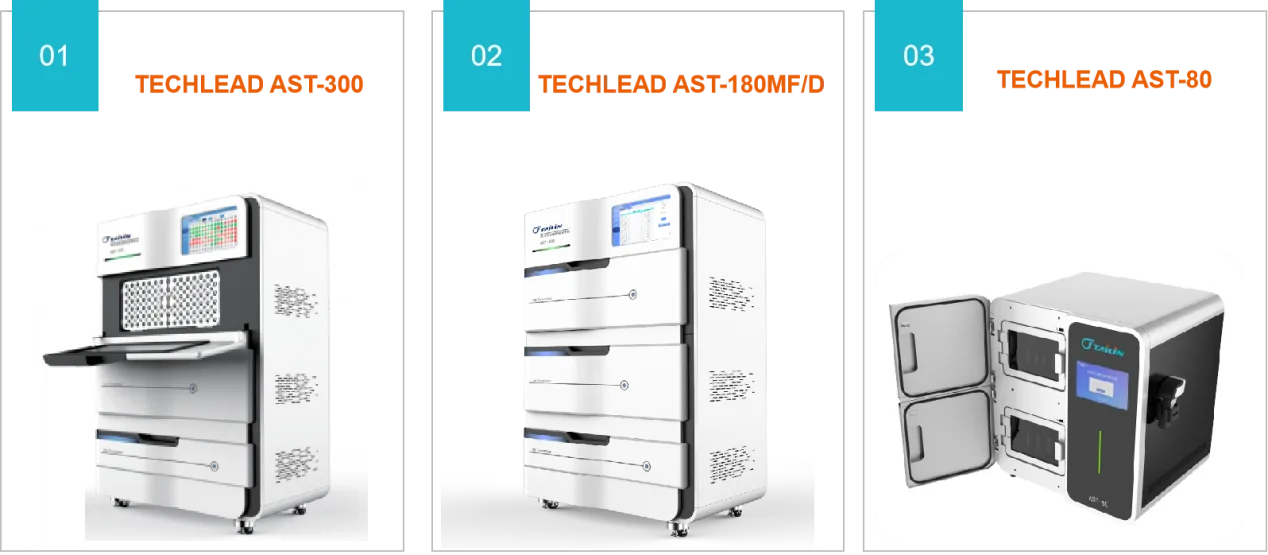
For future mRNA drug manufacturing, rapid microbiological testing can become an important link between manufacturing efficiency, quality assurance, and patient safety.
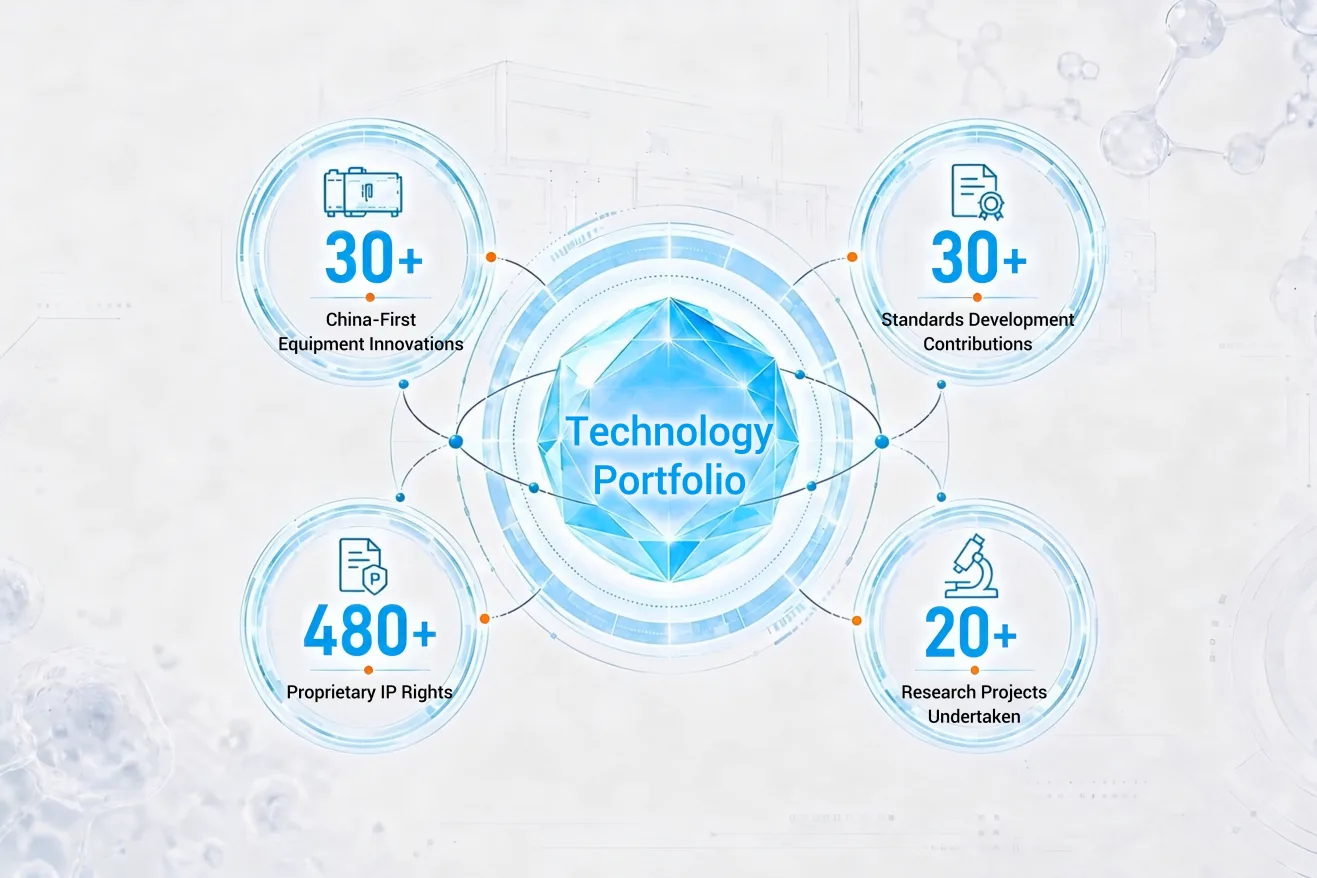
Founded in 2002, Tailin is a life science systems solution provider.
Tailin continues to innovate across biotechnology, precision medicine, and pharmaceutical engineering, providing integrated equipment, precision instruments, and supporting consumables for life science research and industrial applications.
Today, Tailin has accumulated:
From cell therapy to gene therapy and mRNA-based nucleic acid therapeutics, the life science industry is entering a new era of equipment-driven innovation.
Tailin — Empowering Innovative Medicines from the Laboratory to the Future.
For more information or to explore partnership opportunities, please visit our website or contact us at phone: +86 571 8658 9087, email: marketing@tailingood.com. Stay connected with Tailin through our social media channels on Facebook, YouTube, LinkedIn and Instagram to witness our ongoing journey toward excellence and innovation.