




If you’ve ever watched a filtration run drag on because the membrane just wouldn’t wet properly, you already know why hydrophilic materials matter in a lab. Polyethersulfone, or PES, has become one of the go-to polymers for exactly this reason. It’s strong, it’s chemically tough, and — when made hydrophilic — it lets water-based solutions pass through almost effortlessly instead of fighting the membrane surface the whole way. Tailin builds its Hydrophilic PES Membrane around that idea, aiming it squarely at labs, pharma manufacturers, and biotech teams who can’t afford filtration to be the bottleneck in their workflow.
Why Hydrophilic PES Matters in Modern Filtration
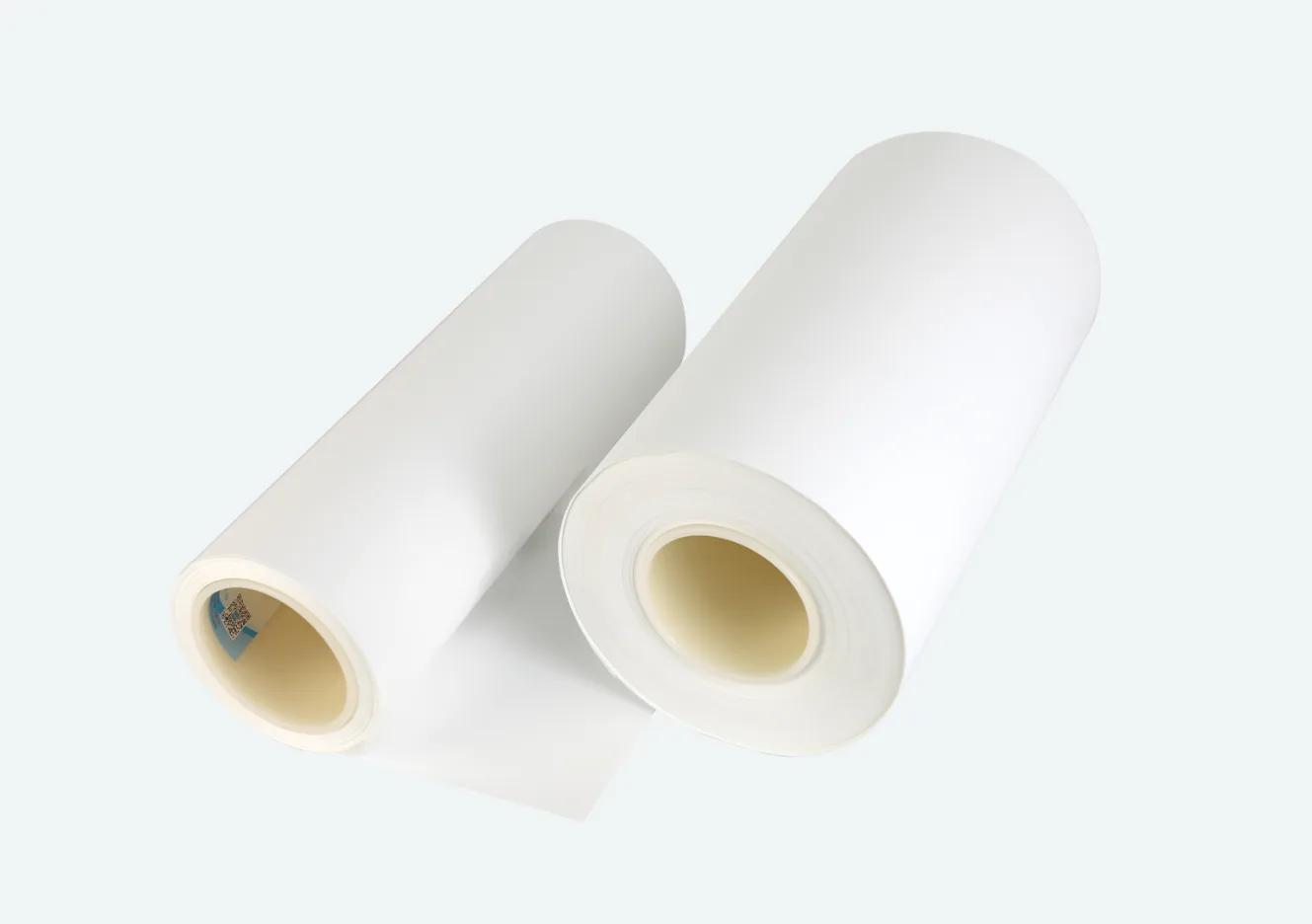
Not every membrane material plays nicely with aqueous solutions. Some need a pre-wetting step with alcohol or another solvent before they’ll let water through at all, which adds time and introduces a whole extra variable into your process. Hydrophilic PES skips that step. Because the surface chemistry is naturally water-loving, liquid spreads across it right away, and capillary action pulls the solution into the pores rather than beading up on top.
That single property changes a lot downstream. Faster wetting means faster filtration cycles. Faster filtration means less time waiting around during sample prep, and more consistent throughput when you’re running the same protocol dozens of times a week. For anyone doing repetitive filtration — tissue culture media, buffer prep, QC testing — this isn’t a minor convenience, it’s a real efficiency gain.
What Makes Tailin’s Version Different
A lot of PES membranes on the market chase retention rates at the expense of flow, or they hold onto proteins during filtration in ways that quietly wreck sample recovery. Tailin took a different approach with its Hydrophilic PES Membrane, trying to land on a balance where neither flow rate nor sample integrity has to lose.
A few things stand out about how it performs:
- High water flux — the asymmetric pore structure is built to move liquid quickly without compromising particle retention.
- Low protein binding — proteins pass through rather than sticking to the membrane, which matters enormously in biological and pharmaceutical filtration.
- Broad chemical compatibility — it holds up against a wide range of acidic and alkaline solutions without degrading.
- Consistent lot-to-lot performance — for regulated environments, that kind of manufacturing consistency isn’t optional.
- Compatibility with standard sterilization methods — including autoclaving, EO, and gamma irradiation, so it fits into existing validated workflows rather than forcing new ones.
Put together, these traits are why hydrophilic PES has become a default choice in places where speed and sample fidelity both matter — sterilization filtration, bacterial reduction, clarification steps, and precision infusion filters all lean on membranes with this profile.
Where This Membrane Actually Gets Used
It’s easy to talk about specs in the abstract, so it helps to think about where a membrane like this actually earns its keep. In pharmaceutical manufacturing, hydrophilic PES shows up in sterilizing-grade filtration where the goal is to remove microorganisms without stripping out active ingredients or valuable proteins in the process. In research labs, it’s the membrane sitting in the filter unit when someone’s prepping tissue culture media or filtering a biological sample before analysis — situations where losing even a small percentage of your protein to membrane adsorption can skew results.
Water treatment and general laboratory filtration round out the picture. Because the membrane resists both acidic and alkaline conditions, it can handle a broader range of process fluids than more limited materials, which is part of why it turns up across food and beverage processing and semiconductor applications too, not just life sciences.
A Quick Word on PVDF Membranes
It’s worth mentioning PVDF membranes here too, since they often get compared to PES in filtration discussions. PVDF, or polyvinylidene fluoride, is naturally hydrophobic — great for applications like venting or gas filtration where you actually want to repel water — but it can also be chemically modified into a hydrophilic version for aqueous filtration work. Tailin offers both hydrophobic and hydrophilic PVDF options alongside its PES line, giving labs a choice depending on whether the priority is water resistance or fast aqueous flow. The two materials aren’t competitors so much as tools suited to different jobs, and knowing which one fits your application saves a lot of trial and error down the line.
Choosing the Right Membrane for Your Application
Picking a filtration membrane isn’t really about finding the “best” one in some universal sense — it’s about matching the material’s properties to what you’re actually trying to filter. If your work involves protein-containing solutions, low binding matters more than almost anything else. If you’re running high-volume batches, flux rate becomes the deciding factor. And if your process needs to fit into a validated sterilization workflow, compatibility with autoclave or gamma treatment isn’t negotiable.
Tailin’s Hydrophilic PES Membrane is built with that flexibility in mind, and the company also works with labs to customize pore size and format for specific retention or throughput requirements. For teams that filter constantly — whether that’s a QC department running the same assay every day or a manufacturer scaling up a sterilization step — the membrane you choose quietly shapes how smoothly the rest of the process goes.
Filtration might not be the most glamorous part of a lab workflow, but it’s one of the easiest places for inefficiency to creep in unnoticed. A hydrophilic PES membrane like Tailin’s addresses that at the source: fast wetting, high flux, low protein binding, and enough chemical and sterilization compatibility to slot into almost any pharmaceutical, biotech, or laboratory setting. It’s a small component with an outsized effect on how reliably your filtration actually performs day to day.
To learn more about Tailin’s products and solutions, visit our website. For inquiries, contact +86-571-8658-9087 or email marketing@tailingood.com. Stay connected through Tailin’s official YouTube or Linkedln channels for the latest updates and insights.
Read Our One More Blog: Comprehensive Guide to Tailin Sterile Pass Box Solutions for GMP Compliance
