
Desktop Roll-On Capping Machine
A capping machine for compact environments
DC-Mini Desktop Standard Roll-On Capping Machine is designed for compact environments such as cleanrooms and laboratories. Featuring roll-on capping technology and digital pressure control, it helps pharmaceutical manufacturers reduce pilot production costs, improve changeover efficiency, and meet the requirements of compliant small-batch production and efficient changeover across multiple specifications.
With its compact size and lightweight design, it can be easily moved by a single operator. It is one of the smallest and lightest roll-on capping machines currently available on the market. Designed with reliability, the DC-Mini features a compact and robust structure, ensuring stable and reliable operation.
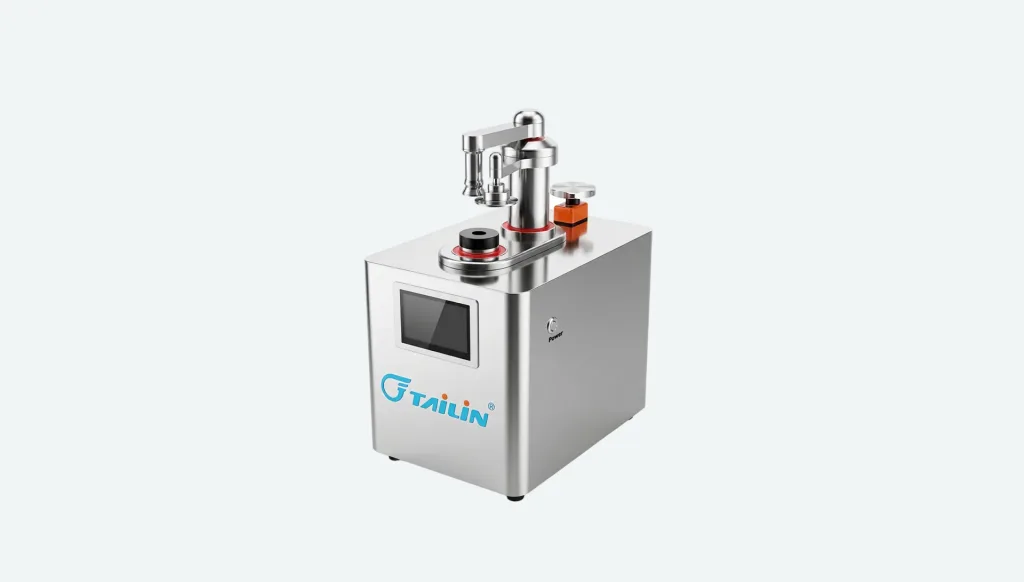
Model
Features
Rotary crimping technology — Gentle on aluminum caps
Digital pressure control — Sealing pass rate ≥99.9%
Quick changeover — Switch between multiple specifications in ≤10 minutes
Compact design — 30% smaller footprint
Safe and durable — Easy and reliable operation with low maintenance
Functions
Digital adjustment of capping torque
Visual manual adjustment of capping height
Quick-change capping dies
Rotary forming and crimping
Alarm indication function
Specifications
| Dimensons: 343*243*518(mm) | Air Supply: Clean compressed air, ≥0.6 MPa |
| Capacity: 420–600 bottles/h | Packaging Height: 30–75 mm |
| Power: 220V, 0.6kW, 50Hz | Weight: 20kg |
| Aluminum Cap Range: 8 - 20mm | Packaging Outer Diameter: ≤50 mm |
Applications
The equipment is specifically designed for sealing pharmaceutical bottles with aluminum caps and aluminum-plastic caps.

Pharmaceutical Industry

Biotechnology & Gene Therapy

Food & Beverage Industry
Send Inquiry

Related Products
Mini Liquid Fill Capping
Wireless Capping Machine
Desktop Capping Machine
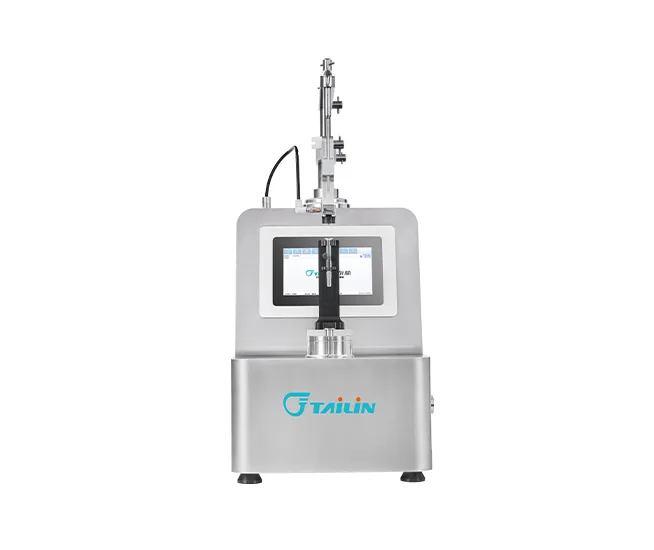
Prefilled Syringe Stoppering
Articles
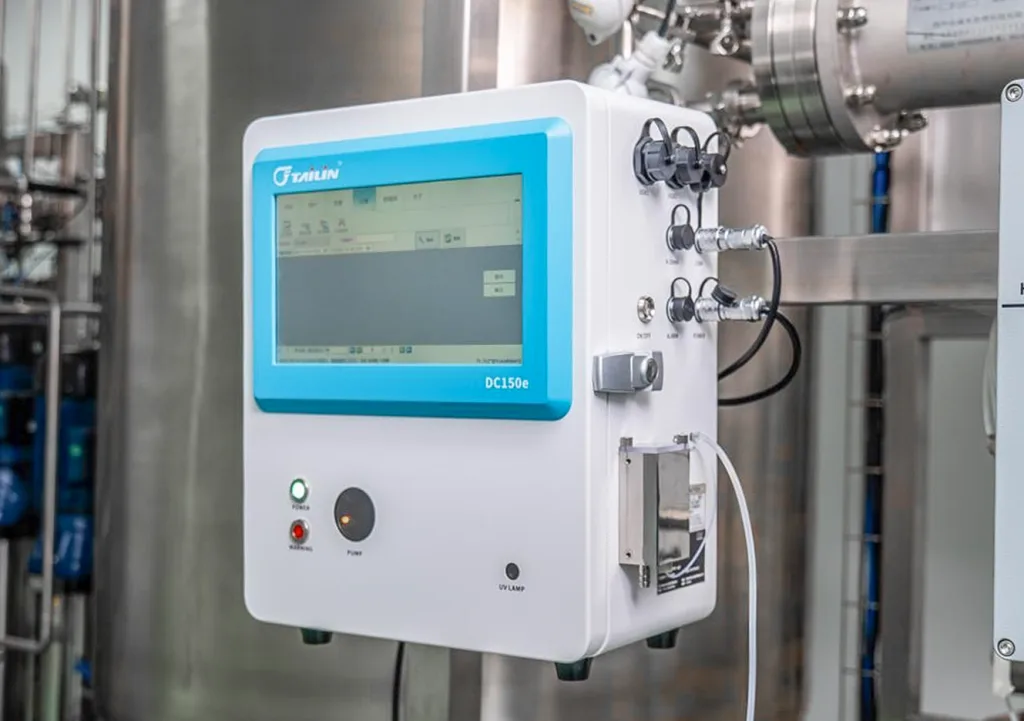
USP <1231> Revision 2027: Online TOC Monitoring and Analyzer Selection Guide
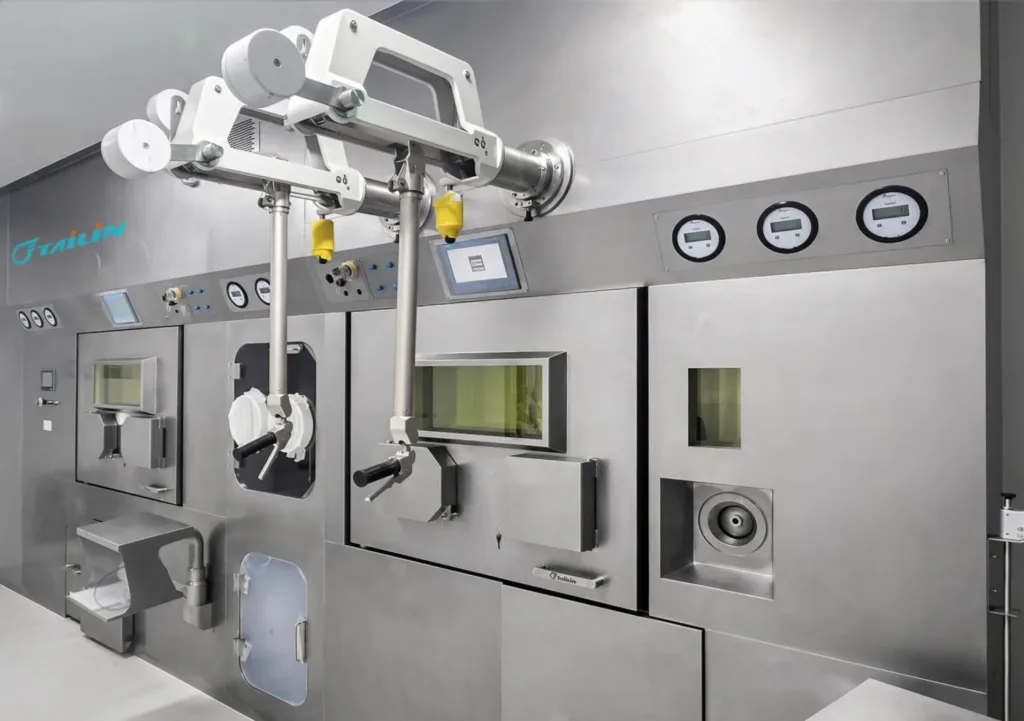
Radiopharmaceutical Manufacturing Solutions: 3 GMP Case Studies by Tailin
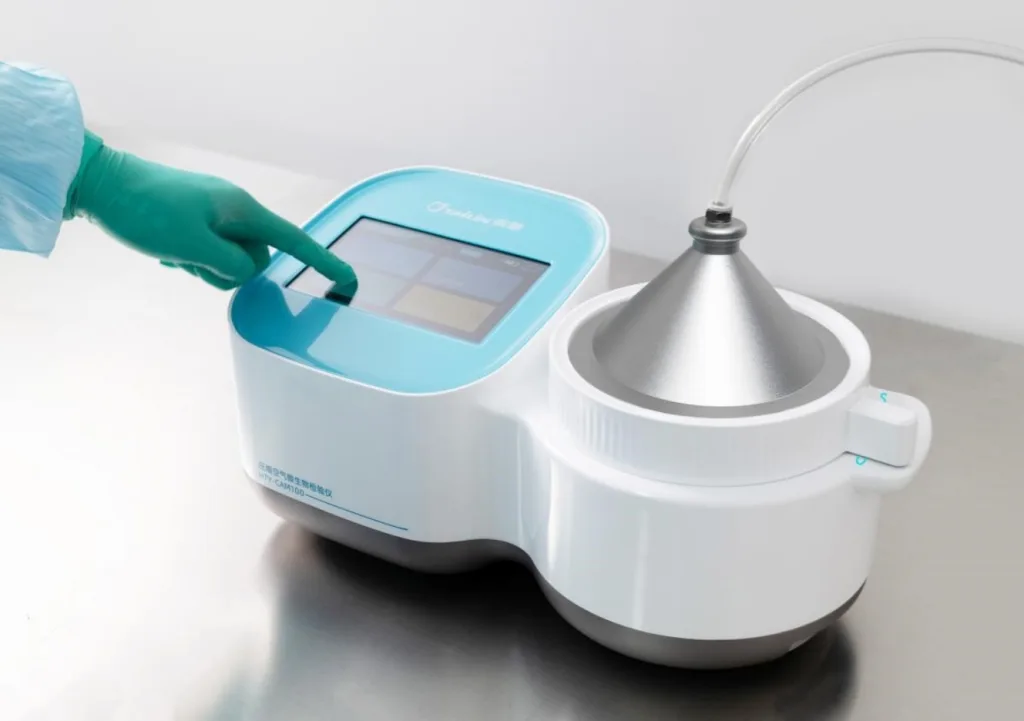
Microbial Testing of Compressed Gases in Pharmaceutical Manufacturing: From Regulatory Requirements to Method Selection