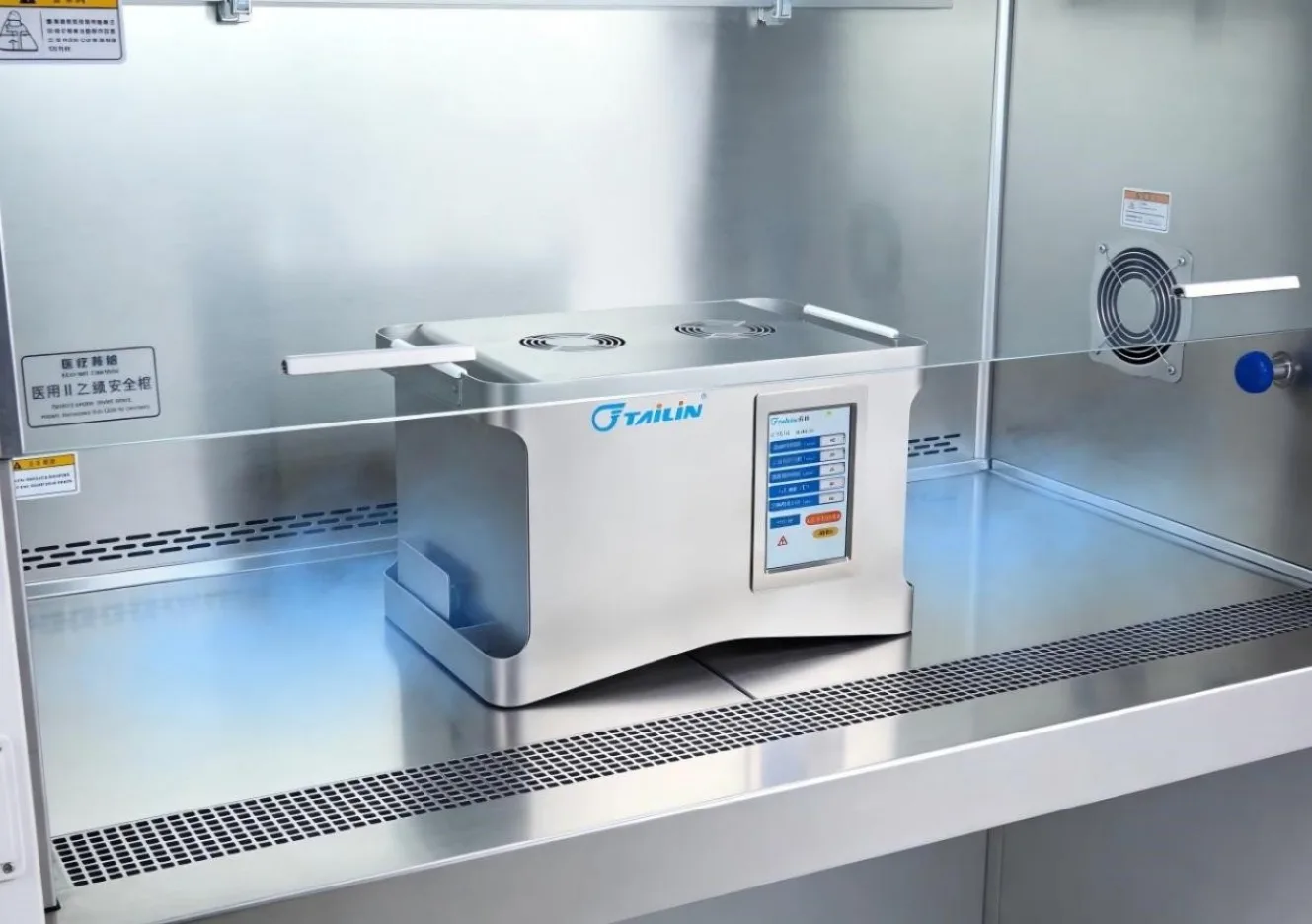
In pharmaceutical manufacturing, BSL-3 laboratories, and research institutions, biosafety cabinets (BSCs) serve as the primary barrier protecting personnel, products, and the environment. However, a biosafety cabinet is not a permanently sterile enclosure. Over time, microorganisms can accumulate inside HEPA filters, airflow ducts, and work surfaces. Regular and validated VH2O2/VHP sterilization is therefore essential to maintaining biosafety compliance.
Traditional decontamination methods present several limitations.
Room fumigation requires the entire laboratory to be sealed and sterilized together with the biosafety cabinet. Large decontamination systems are difficult to transport, while repeated exposure to high concentrations of hydrogen peroxide may affect sensitive instruments and shorten their service life. Another commonly used method relies on external circulation systems, which require sealing modifications and additional duct connections to the biosafety cabinet. The setup is time-consuming, and uneven gas distribution can leave untreated areas inside the airflow system.
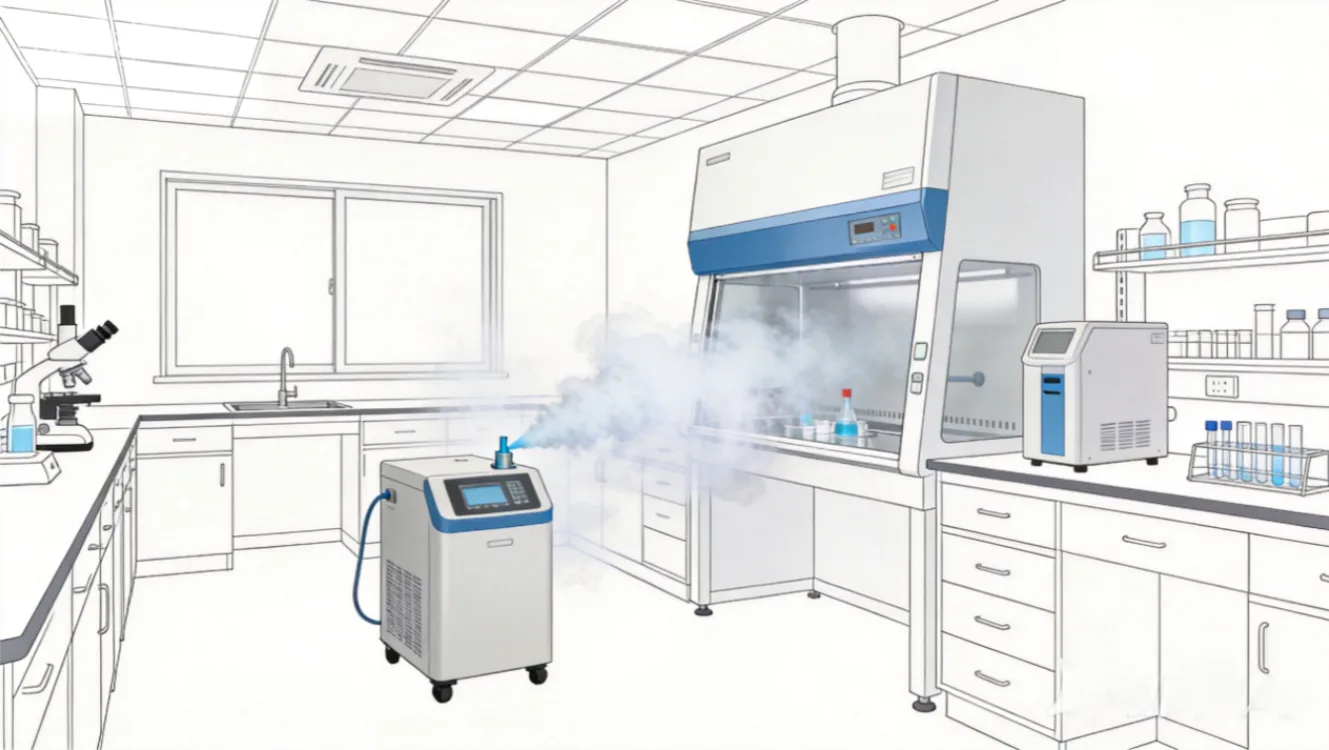
No larger than an A4 sheet of paper provides a completely different approach– Tailin VH2O2-Mini.
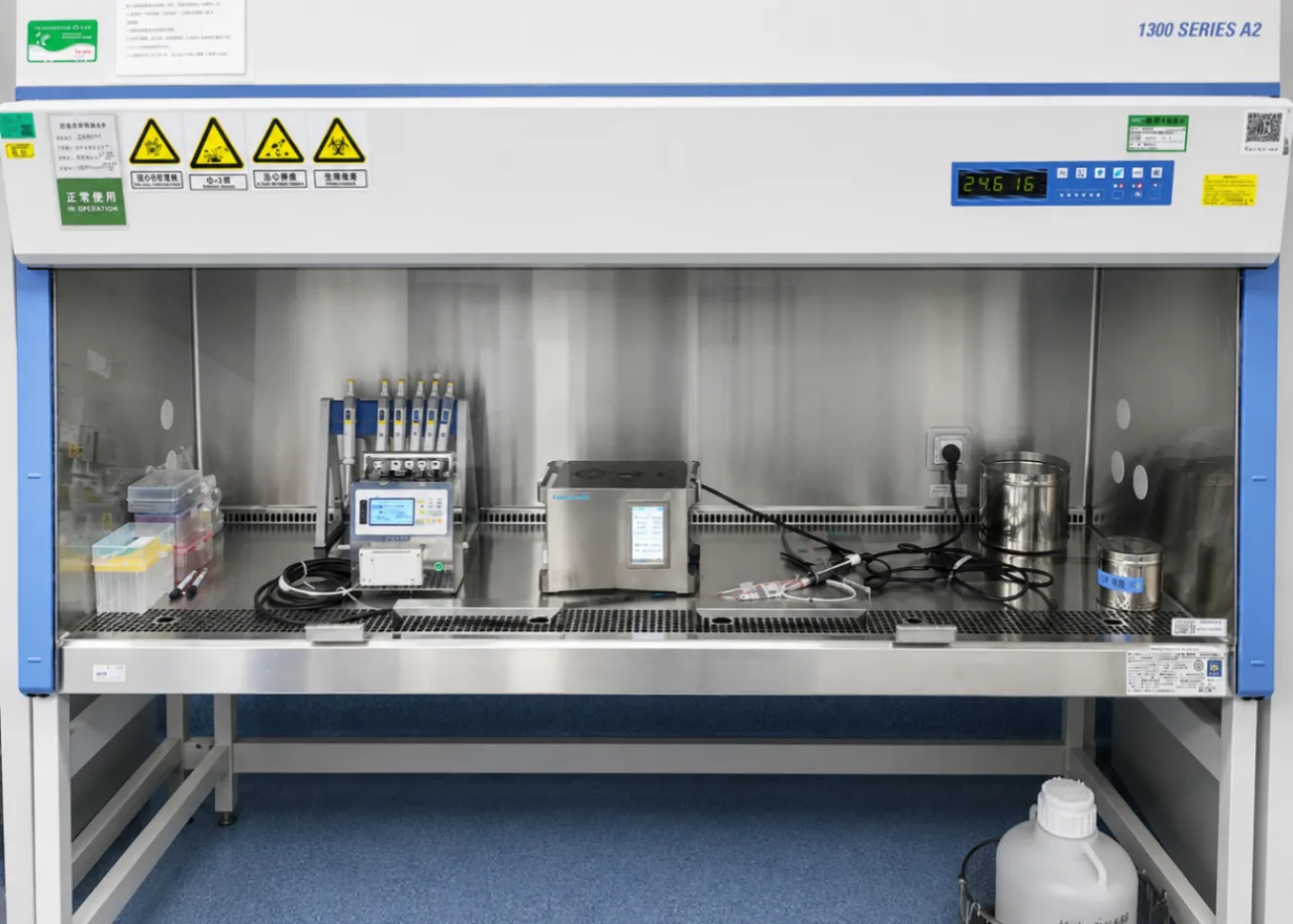
The VH2O2-Mini is placed directly inside the biosafety cabinet. By utilizing the cabinet’s original 70% internal recirculation airflow, the generated VH2O2 vapor continuously circulates throughout the complete airflow pathway, enabling comprehensive decontamination of the supply HEPA filter, work chamber, exhaust HEPA filter, and internal ductwork in a single cycle.
Most BSL-3 laboratories are equipped with Class II Type A2 biosafety cabinets, which operate using a vertical laminar airflow system with 70% internal recirculation and 30% exhaust airflow.
The airflow works as follows:
This dominant 70% recirculation airflow becomes the natural driving force for VHP sterilization. When the VH2O2-Mini portable VH2O2 generator is placed inside the working chamber, the generated hydrogen peroxide vapor is no longer dependent on passive diffusion. it is directly fed into this powerful internal circulation airflow and continuously pushed by the fan to every corner.
The sterilization mechanism of VH2O2 is based on the generation of highly reactive hydroxyl radicals (•OH), which oxidize microbial cell membranes, proteins, and DNA. VH2O2 sterilization provides broad-spectrum antimicrobial activity, achieving a 6-log reduction against bacteria, fungi, viruses, and even highly resistant bacterial spores.
Using precise flash vaporization technology, a 35% food-grade hydrogen peroxide solution is converted into a stable vapor phase. Its sterilizing power at room temperature is several times greater than that of the liquid form.
More importantly, gaseous molecules can penetrate locations that conventional liquid disinfectants cannot reach, including narrow gaps, internal ducts, and complex airflow passages. Driven by the circulation fan, VH2O2 vapor also penetrates the HEPA filter media, enabling true in-situ HEPA filter decontamination. After the sterilization cycle is completed, the remaining hydrogen peroxide is catalytically decomposed into water and oxygen, leaving no toxic residues.
Once Tailin VH2O2-Mini is placed inside the biosafety cabinet and activated, the entire VH2O2 sterilization process is completed automatically in less than two hours.
Step 1: Direct Surface Sterilization
The generated VH2O2 vapor first fills the working chamber, rapidly eliminating microorganisms on exposed surfaces such as the workbench, side walls, and interior panels.
Step 2: Utilizing the 70% Internal Recirculation Airflow
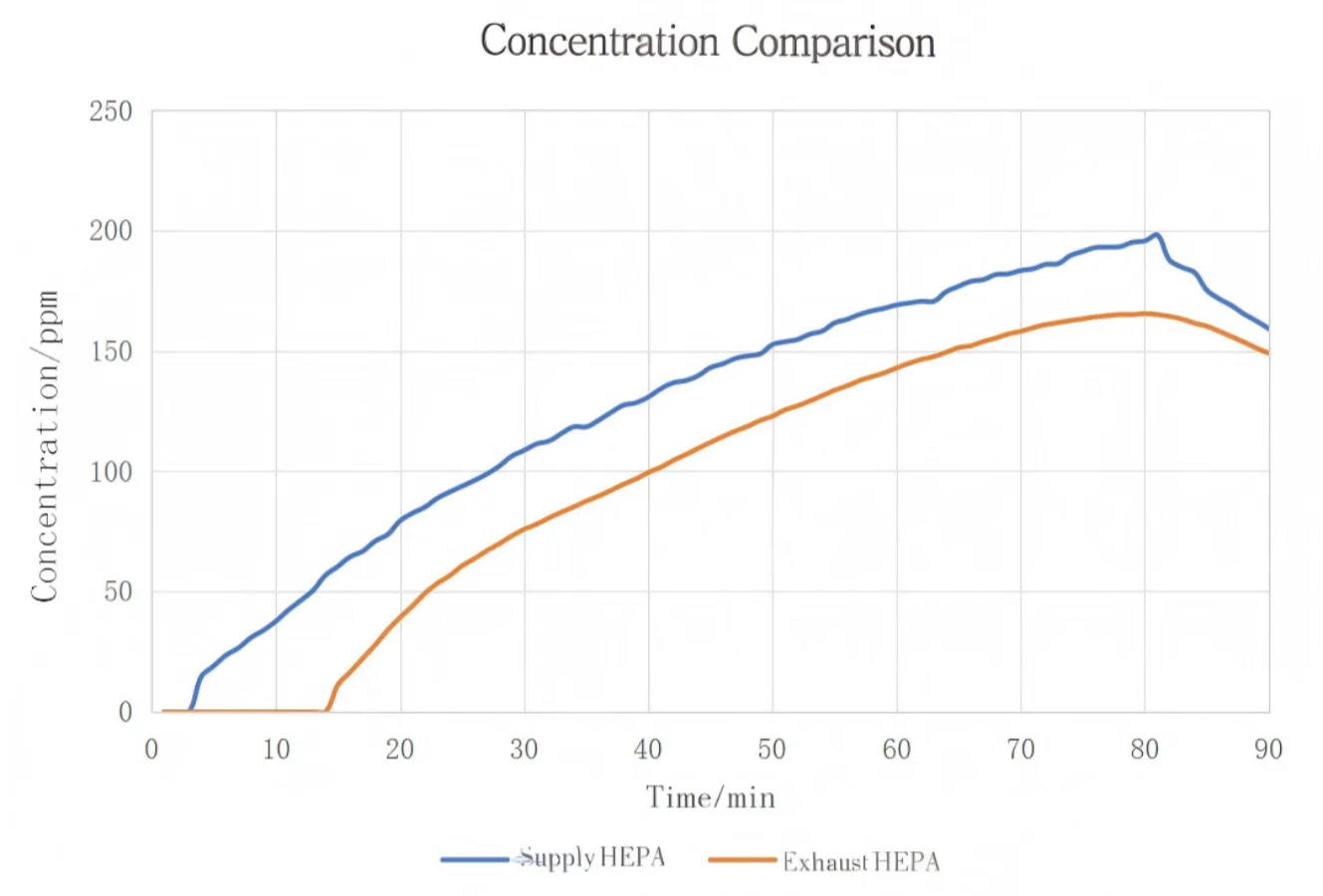
As the cabinet fan continues operating, the VH2O2 vapor is drawn into the return air channel. The cabinet’s 70% recirculation airflow repeatedly transports the vapor through the internal airflow system, significantly extending gas residence time and improving sterilization efficiency.
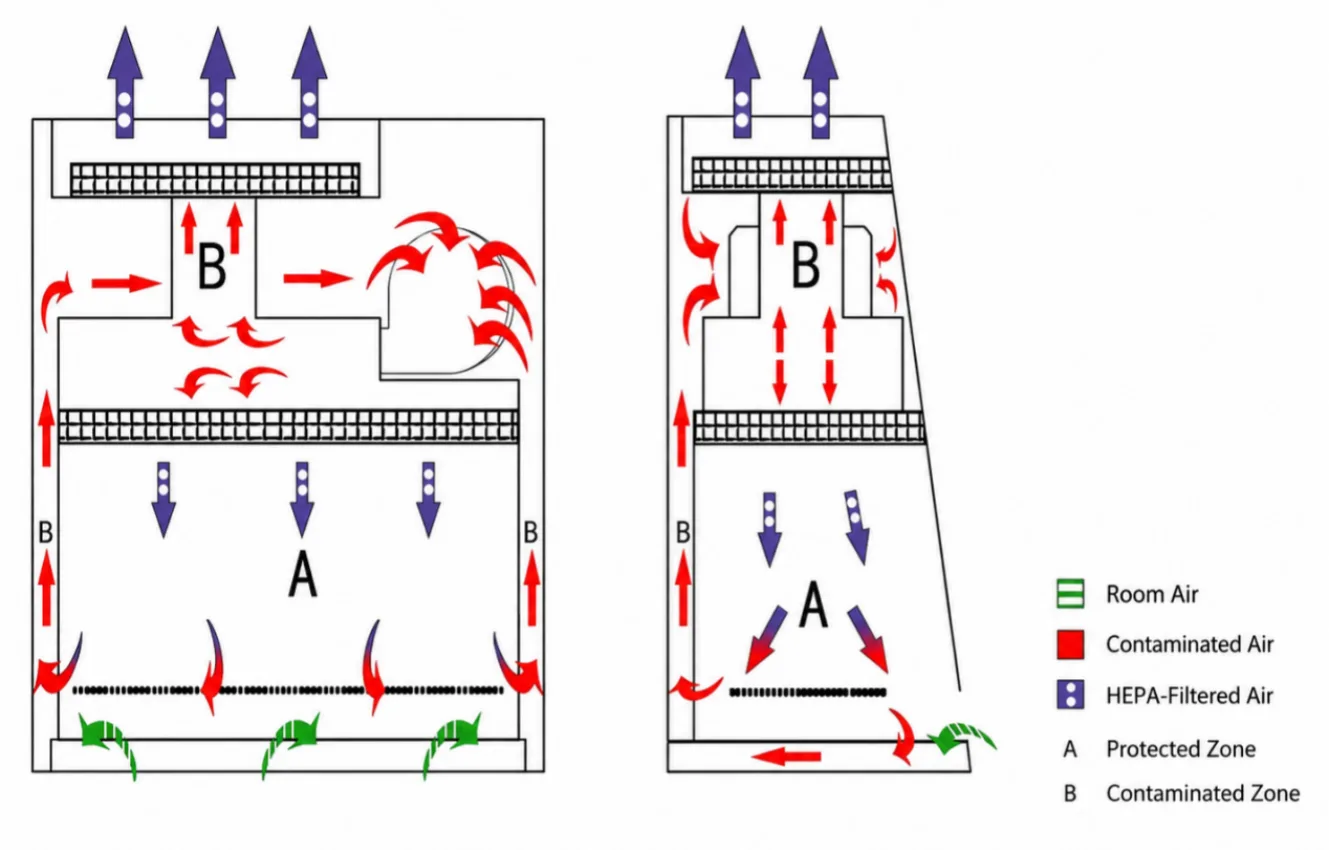
Circulating VH2O2 vapor passes through the supply HEPA filter and returns to the work chamber via vertical laminar airflow, achieving in-situ decontamination of the supply filter. It then sterilizes the exhaust HEPA filter before exiting the cabinet, enabling simultaneous decontamination of the work chamber, supply HEPA filter, and exhaust HEPA filter within a single airflow circuit.
1. High Sterilization Efficacy
Delivers a validated 6-log reduction against bacterial spores while providing broad-spectrum sterilization of bacteria, fungi, viruses, and spores through reliable VH2O2 sterilization.
2. Safe and Residue-Free
Operates at room temperature and decomposes into water and oxygen after the sterilization cycle. Following a short aeration period, residual hydrogen peroxide levels can be reduced to below 1 ppm.
3. Excellent Material Compatibility
Compatible with over 30 common medical and laboratory materials, making it ideal for sterilizing sensitive components such as HEPA filters, electronics, and precision instruments.
4. Integrated Sterilization and Aeration
Features a built-in circulation fan and platinum catalytic module for uniform vapor distribution and automatic hydrogen peroxide decomposition after sterilization.
5. Compact and Easy to Operate
Measuring only 280 × 190 × 190 mm and weighing 6 kg, the VH2O2-Mini features a PLC touchscreen for fully automated and repeatable VH2O2 sterilization.
6. Plug-and-Play Operation
No modifications to the biosafety cabinet are required. Simply place the unit inside the work chamber, close the sash, and start the cycle. The cabinet’s own airflow circulates VH2O2 vapor throughout the entire system for complete decontamination.
Tailin VH2O2-Mini transforms biosafety cabinet decontamination by utilizing the cabinet’s existing 70% internal recirculation airflow to achieve complete VH2O2 sterilization of the work chamber, airflow ducts, and both HEPA filters.
With no cabinet modification, no additional ductwork, no sterilization blind spots, and no toxic residues, it provides a simple, reliable, and efficient solution for pharmaceutical manufacturing, research laboratories, and other critical controlled environments.
For more information or to explore partnership opportunities, please visit our website or contact us at phone: +86 571 8658 9087, email: marketing@tailingood.com. Stay connected with Tailin through our social media channels on Facebook, YouTube, LinkedIn and Instagram to witness our ongoing journey toward excellence and innovation.