All Solutions
Home > Sterility Test Canister > Sterility Test Canisters
Multiple Models
Sterility testing is a critical quality control step for sterile pharmaceutical products, where contamination, leakage, or false results can lead to batch rejection, production delays, and regulatory risks.
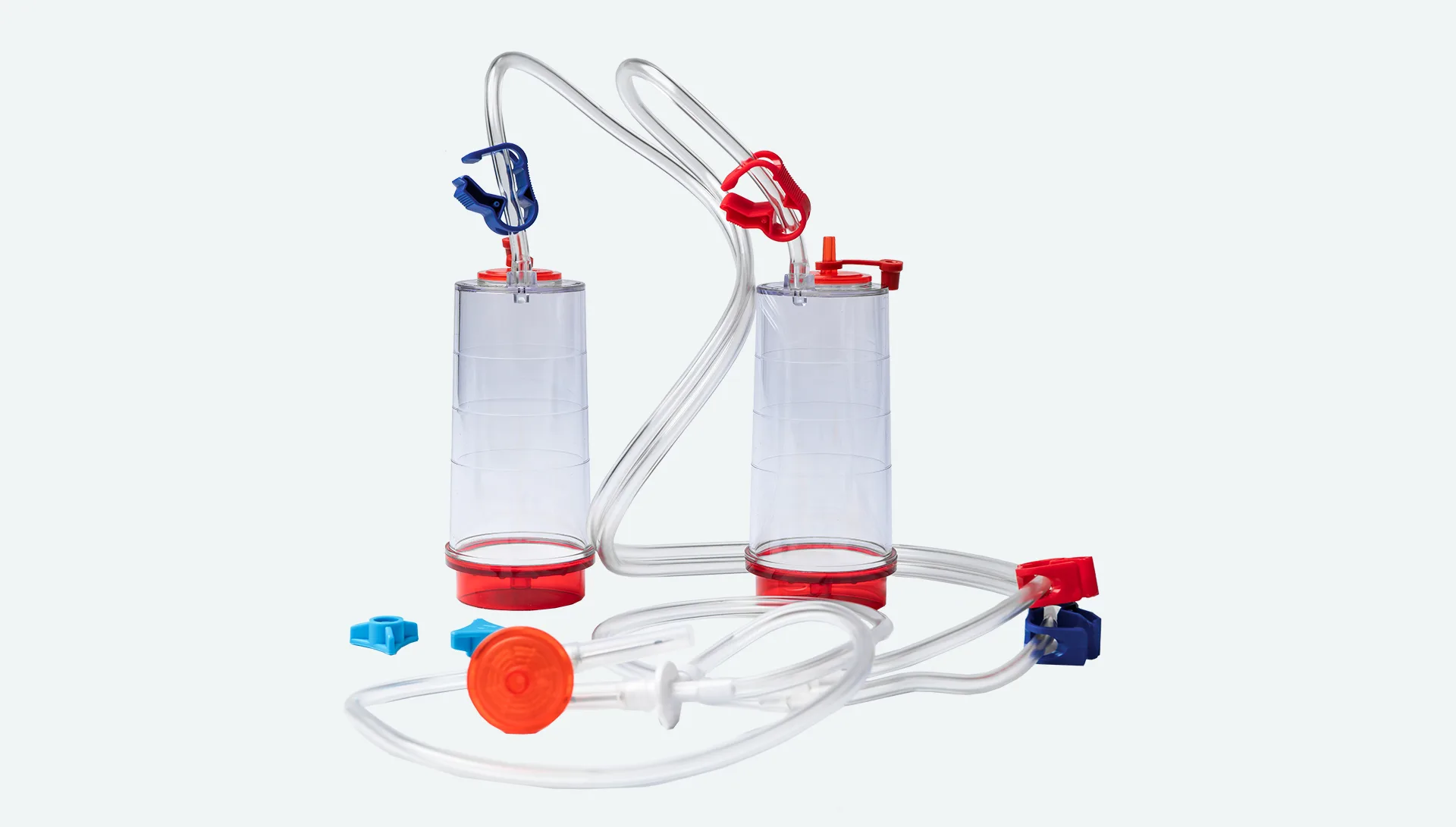
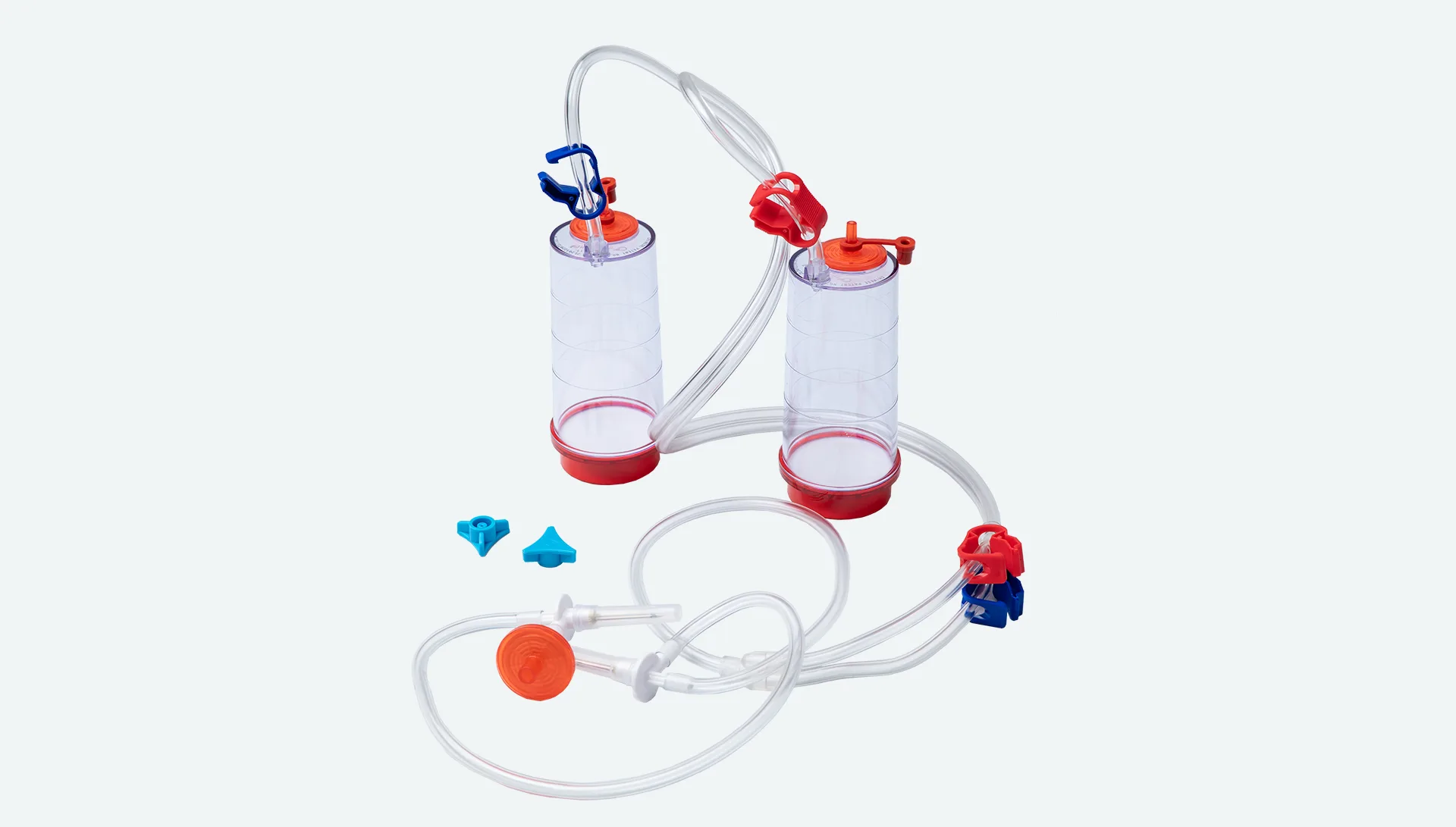
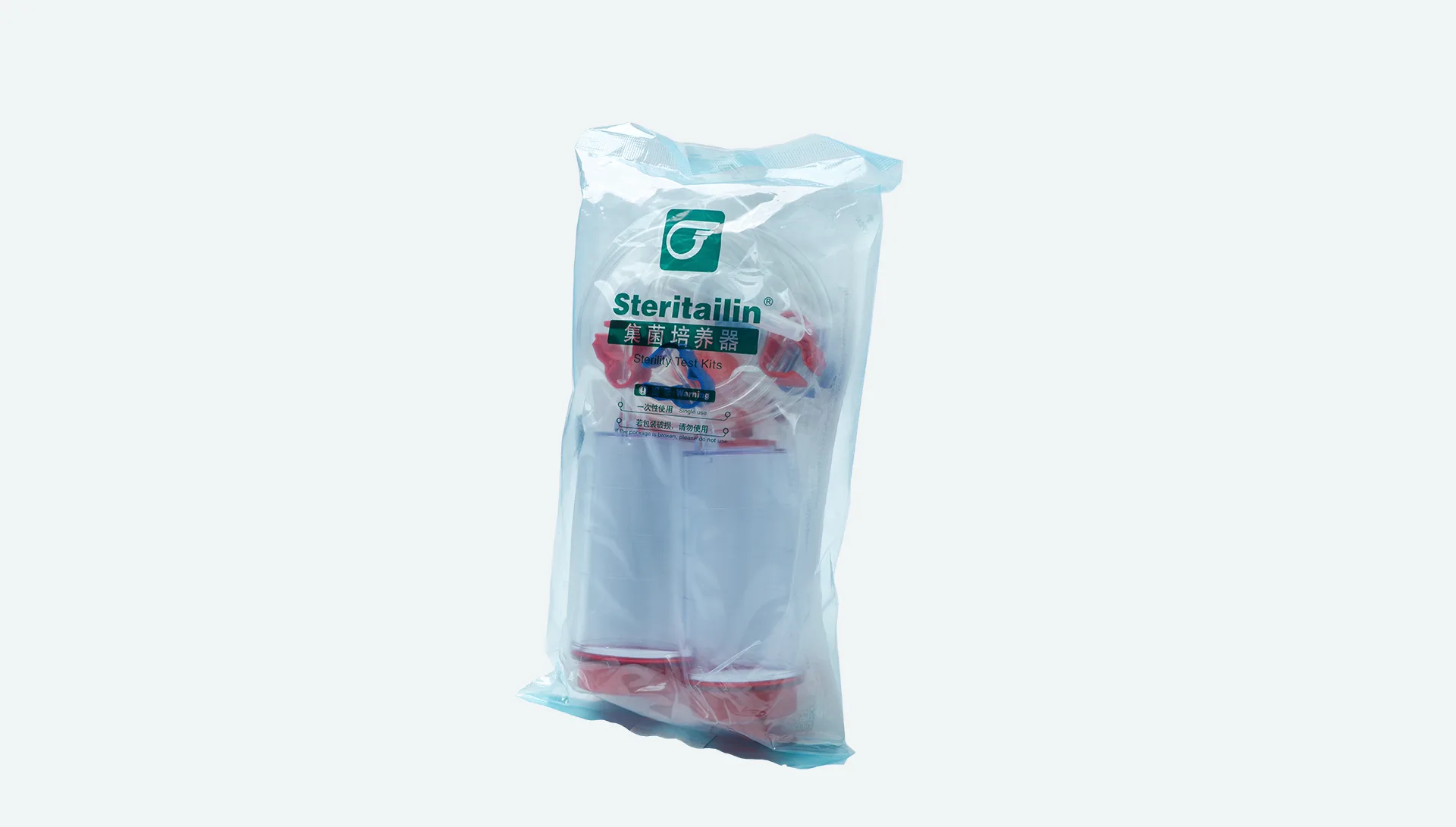
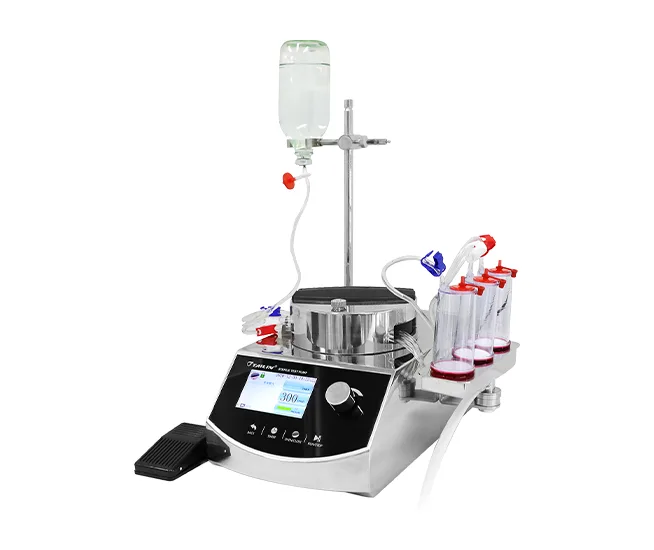
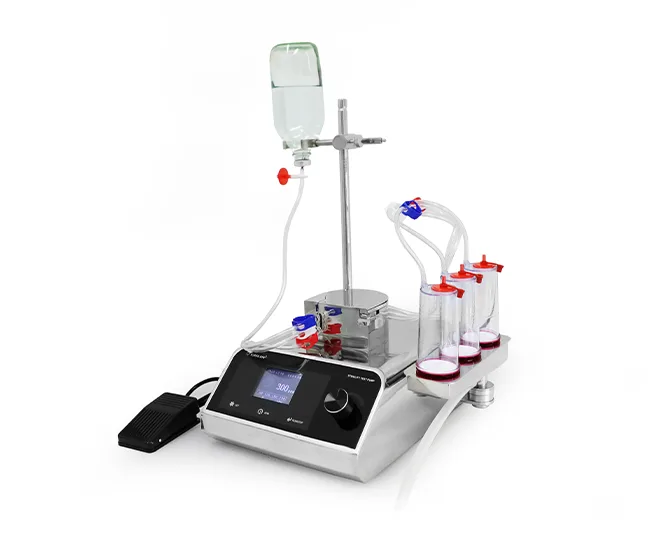
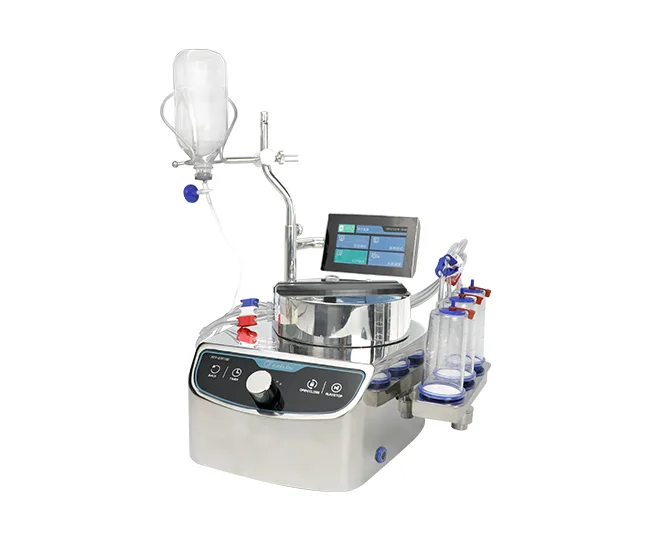
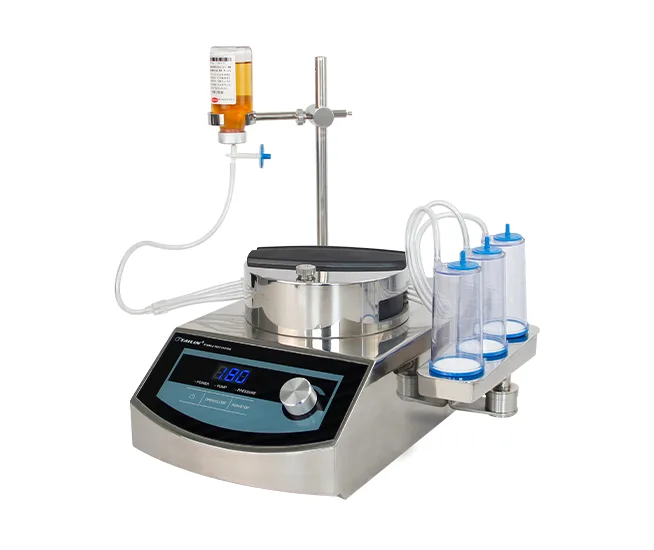
Tailin sterility test canisters are used together with sterility test pumps to form a closed filtration system, helping laboratories reduce contamination risks, improve workflow efficiency, and obtain more reliable sterility testing results.
To meet different testing needs, Tailin provides multiple canister models for liquid samples, powders, antibiotics, biological products, prefilled syringes, large-volume parenterals, medical devices, and hard-to-filter samples.
1. Closed Filtration System
Helps minimize open handling and reduce contamination risks during sterility testing.
2. Stronger Cup Structure
Enhanced impact, collision, and wear resistance for routine laboratory handling.
3. Improved Pressure Resistance
Ultrasonic welding and reinforced structure support reliable filtration under demanding conditions.
4. 360° Protected Liquid Inlet
Fully enclosed inlet design supports uniform liquid distribution and stable tubing connection.
5. Clearer Volume Observation
Improved cup transparency and graduation lines help operators monitor the filtration process.
6. Durable Composite Tubing
Provides tensile, wear, and pressure resistance for large-volume filtration workflows.

Tailin sterility test canisters are designed to support sterility testing procedures in accordance with major pharmacopeia requirements including ChP 1101, USP <71>, EP 2.6.1, and JP 4.06 standards.
Manufactured under ISO 9001 and ISO 14001 certified quality systems, each production batch undergoes sterility validation, bacterial challenge testing, and growth promotion verification to ensure reliable testing performance.
Step 1: Identify your sample type
Liquid, powder, viscous liquid, biological product, medical device, or prefilled syringe.
Step 2: Confirm whether antibiotics are present
Some models are designed for samples containing antibiotics or bacteriostatic ingredients.
Step 3: Choose the packaging and sterilization format
EO pre-sterilized or irradiation pre-sterilized; pouch package or blister box package.
Step 4: Contact Tailin for confirmation
For special samples, customized models, or hard-to-filter products, our team can help recommend a suitable model.
| Applications | EO Pre-Sterilized | Irradiation Pre-Sterilized | ||
| Pouch Package | Blister Box Package | Pouch Package | ||
| LVP in Bottle | Without Antibiotics | PY2202* | – | PY2202D* |
| PY220 | B-PY220 | PY220D | ||
| Contain Antibiotics | KSF220 | B-KSF220 | KSF220D | |
| Liquid in Ampoule | Without Antibiotics | APY220-P* (for oily product) |
||
| APY220 | B-APY220 | APY220D | ||
| Contain Antibiotics | KAPY220 | B-KAPY220 | KAPY220D | |
| Powder in Vial | Without Antibiotics | DGB220 | B-DGB220 | DGB220D |
| Contain Antibiotics | KDGB220 | B-KDGB220 | KDGB220D | |
| Powder in Ampoule | Without Antibiotics | DGA220 | – | DGA220D |
| Contain Antibiotics | KDGA220 | – | KDGA220D | |
| Difficult Soluble Powder in a Vial,with Antibiotics | NKF220 | B-NKF220 | NKF220D | |
| LVP in Collapsible Bag | SDY220 | B-SDY220 | SDY220D | |
| Medical lnstrument with Male Luer Connector | YLQ220* | – | YLQ220D* | |
| Medical lnstrument with Female Luer Connector | YLX220* | – | YLX220D* | |
| Viscous Liquid (biological products) | CN220 | B-CN220 | CN220D | |
| Lyophilized Powder for Injection ( biological products) |
DCN220 | – | DCN220D | |
| Prefilled Syringe | PFS2* | – | PFS2D* | |
| Emulsion or Hard Filtrating Aqueous Samples | – | EVS2 | – | |
| Note: “*” indicates customized model. | ||||
The DGB206 canister is recommended. Pierce the specially designed needle into the vial, start the pump, and pump all the samples to be tested in the container in turn (pausing to avoid inhaling air when changing vials. If the total volume of a batch of samples is less than 100 ml, it is recommended to dilute them appropriately before filtration), and then filtered them to achieve uniform sample distribution in the vials.
The NKFX220 canister is recommended. It adopts a three-needle adapter, and the middle needle is designed for a small vial. Pierce the needles in the vial, start the pump, and invert the dissolution liquid bottle, transferring the diluted liquid to the closed container for the next filtration.
The new canister features significantly enhanced impact, collision, and wear resistance, preventing breakage or leakage even if accidentally dropped. Its fully enclosed 360° protected liquid inlet avoids impact damage and improves hose-connection durability under high pressure. A specialized welding process further strengthens pressure resistance, ensuring safer performance during high-speed, high-pressure filtration without risk of cup deformation. The canister also offers improved transparency and clearer graduation lines, including a new 25 mL mark for membrane wetting, making volume observation easier and more accurate.
Yes. The upgraded canister offers significantly improved chemical compatibility, supporting a wide range of commonly used disinfectants and solvents, including ethanol, isopropanol, methanol, sporicides, benzalkonium chloride (e.g., Zephiran), 35% hydrogen peroxide, formaldehyde, iodine tincture, TH4 disinfectant, acetic acid, DMSO, and acetonitrile. This ensures wider applicability in diverse laboratory and cleanroom workflows.
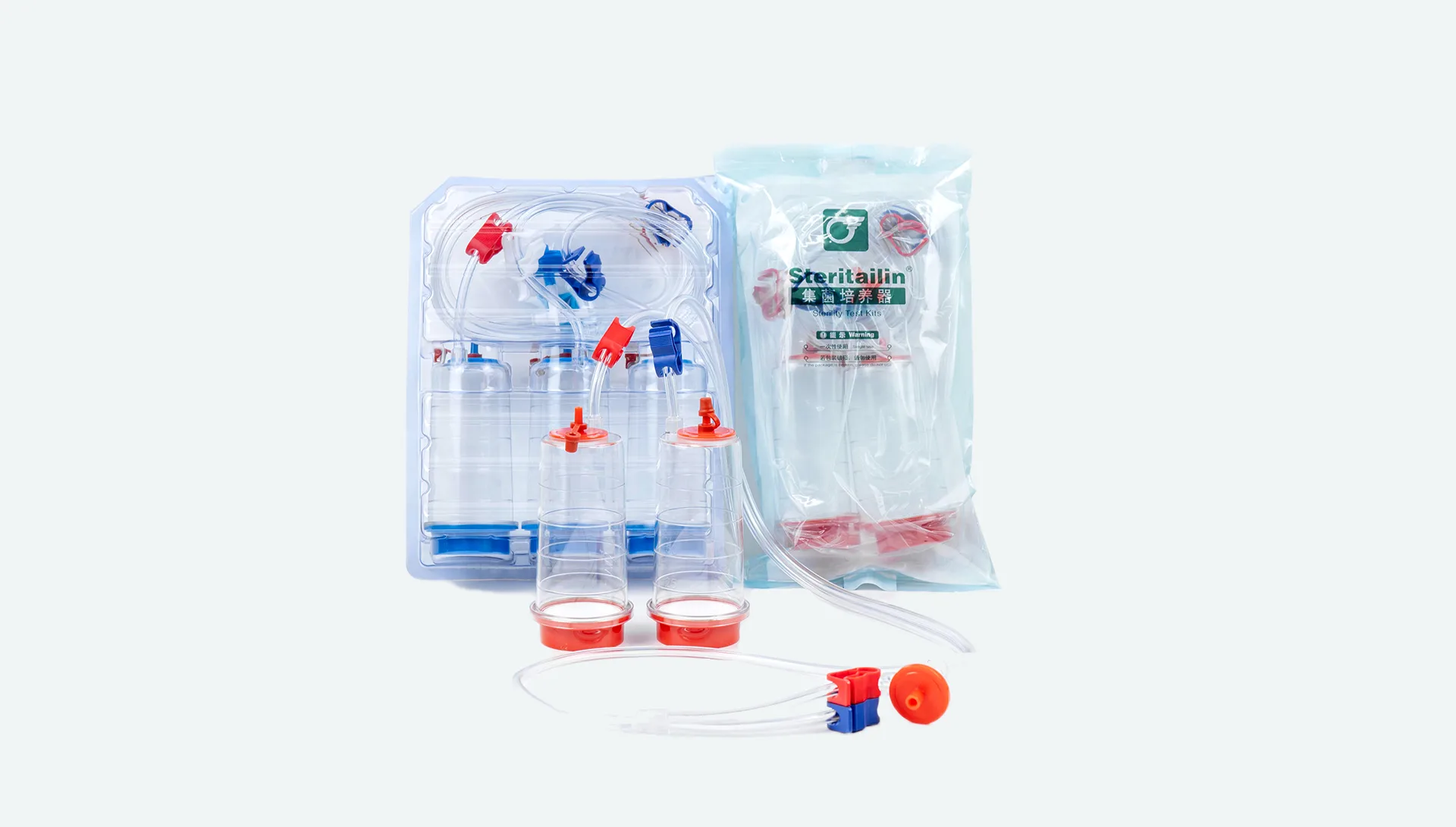
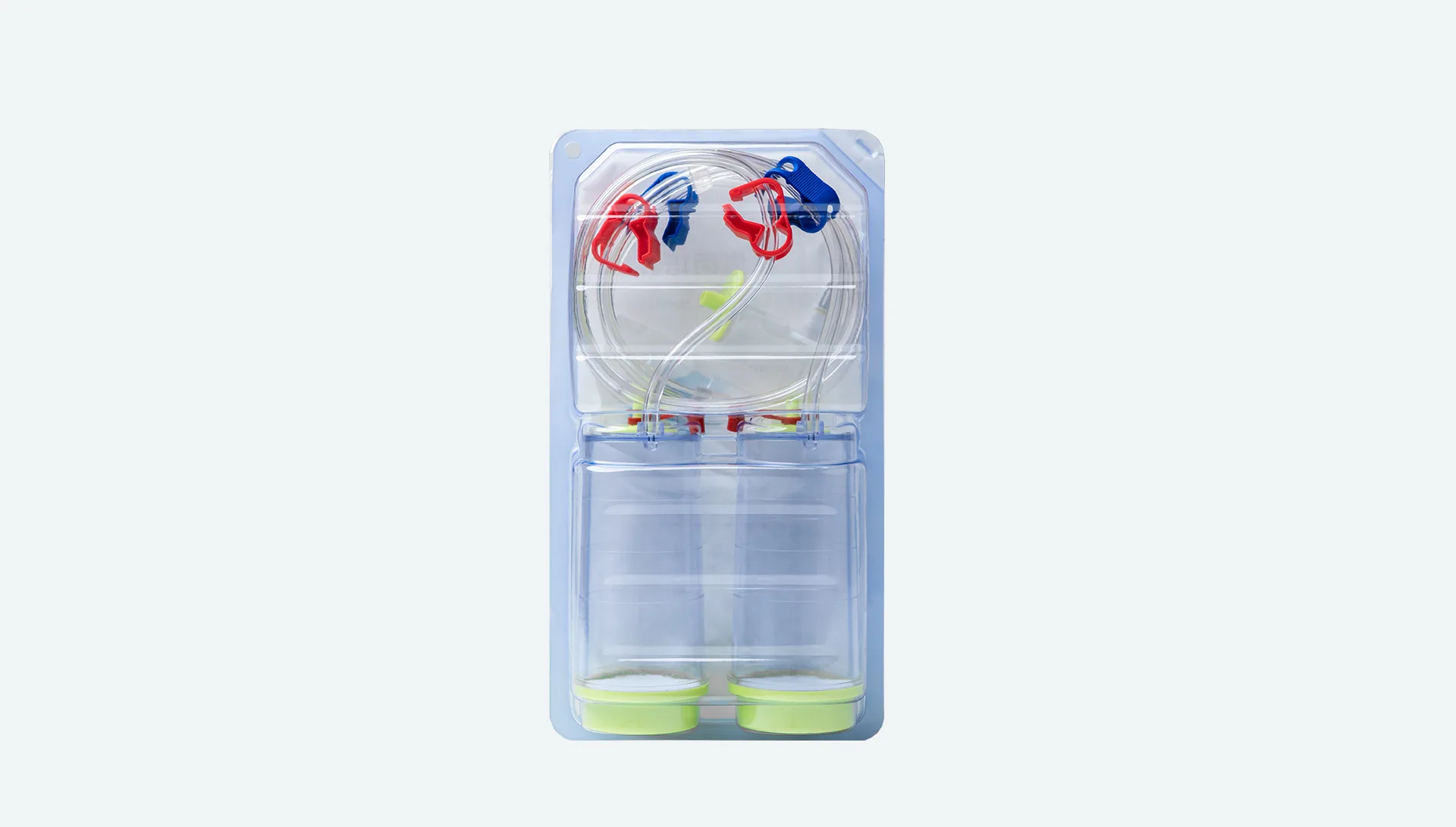
Tailin adopts double-layer dialysis packaging to enable aseptic depackaging and transfer, reducing material cleaning and disinfection workload while minimizing contamination risks. The inner soft blister tray enhances product protection, and the outer composite-film dialysis pouch provides an additional safety barrier. Both layers are made from DuPont™ Tyvek®, whose high mechanical strength ensures packaging integrity, excellent breathability supports sterilization effectiveness, and superior bacterial-barrier properties maintain sterility throughout the product’s shelf life