
Gas Fumigation Biological Indicators
Used to monitor the effectiveness of space sterilization such as ozone, formaldehyde and chlorine dioxide
Tailin Gas Fumigation Biological Indicators are designed to validate and monitor gaseous decontamination processes. Utilizing standardized challenge microorganisms such as Staphylococcus aureus ATCC 8032 and Bacillus atrophaeus ATCC 9372, they provide reliable verification of fumigation effectiveness for ozone, chlorine dioxide, and formaldehyde applications in pharmaceutical, healthcare, and laboratory environments.
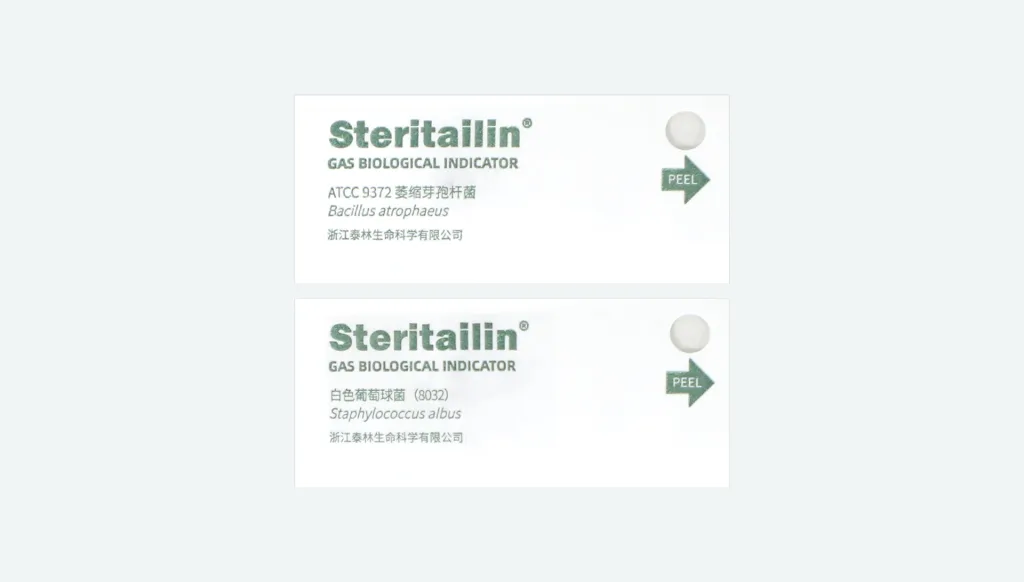
Model
Features
- Stainless steel sheet carrier, effectively avoiding false positives.
- Tyvek® packaged to meet the requirements for sterilization gas penetration while avoiding external contamination.
Compliance
Biological indicators are the ideal process indicators that directly monitor the lethality of a given sterilization process. Tailin’s biological
indicators meet the requirements of ISO 11138, GB18281, GMP, PDA TR51, FDA 510k and Pharmacopoeia (USP, EP, ChP). The spores
used are traceable and the test report includes spore concentration, D-value, and other relevant data.
- ISO11138 Sterilization of health care products-Biological indicator
- GB18281 Sterilization of health care products-Biological indicator
- USP 1229 Sterilization of Compendial Articles
- USP55 BIOLOGICAL INDICATORS-RESISTANCE PERFORMANCE TESTS
- USP 1035 BIOLOGICAL INDICATORS FOR STERILIZATION
- Ph.Eur5.1.2 Biological Indicators and related microbial preparations used in the manufacture of sterile products
- PDA TR51 Biological Indicator for Gas and Vapor-Phase Decontamination Processes: Specification, Manufacture, Control and Use
- ……
Send Inquiry

Related Products
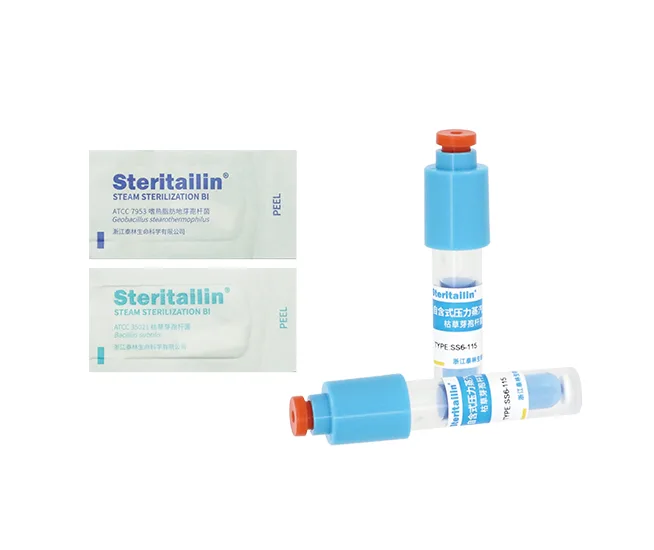
Autoclave Steam Biological Indicators
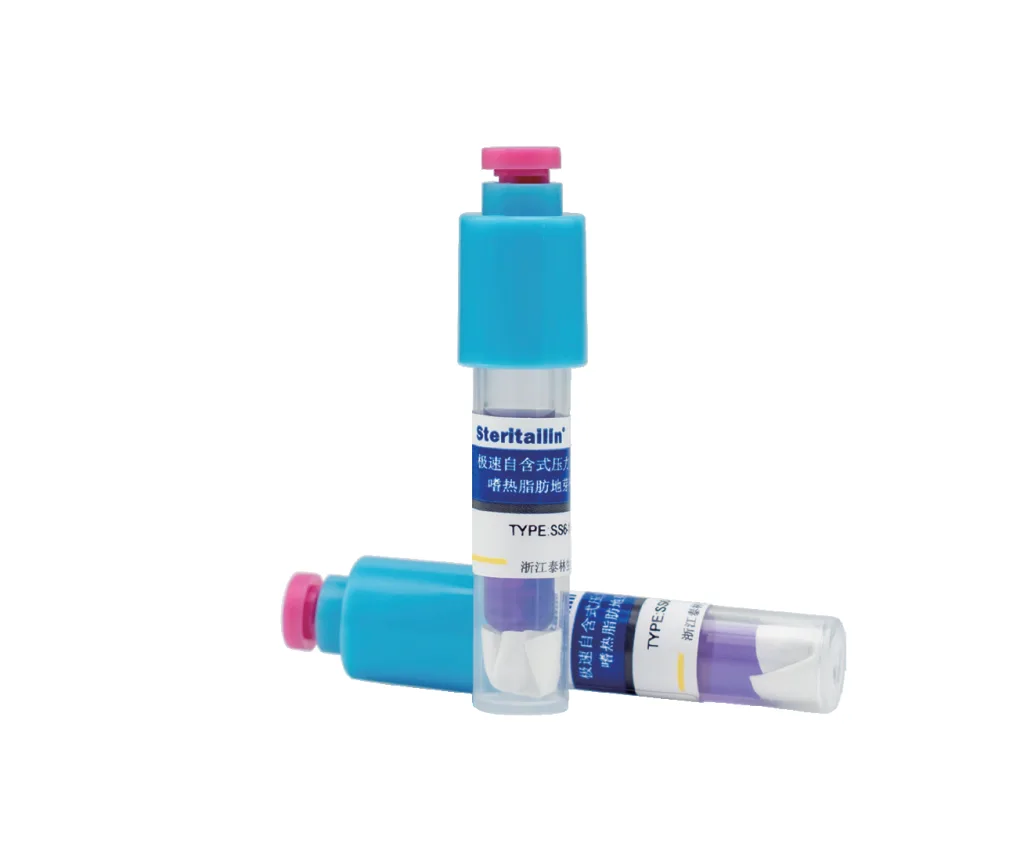
Autoclave Steam Biological Indicators
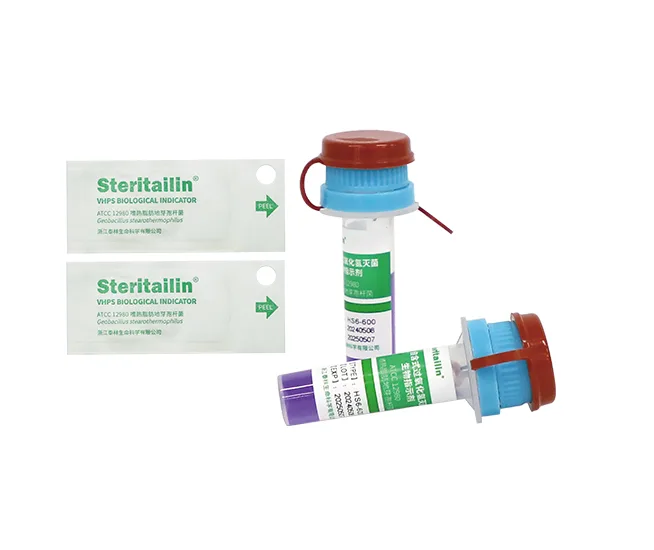
VH2O2 Biological Indicators
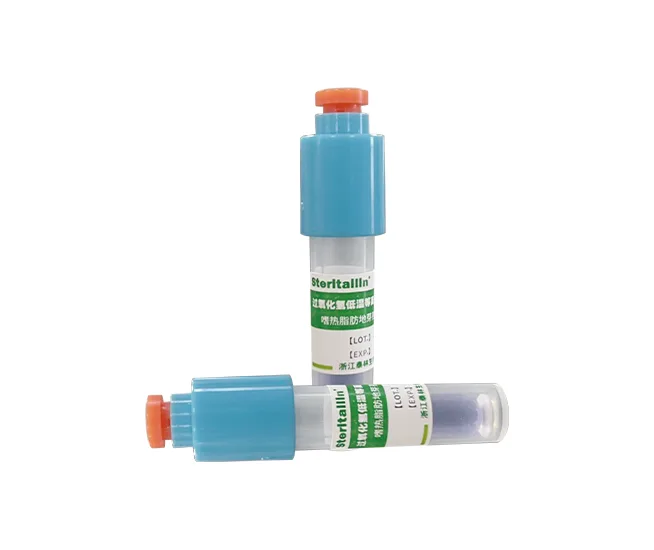
VH2O2 Plasma Biological Indicators
Articles
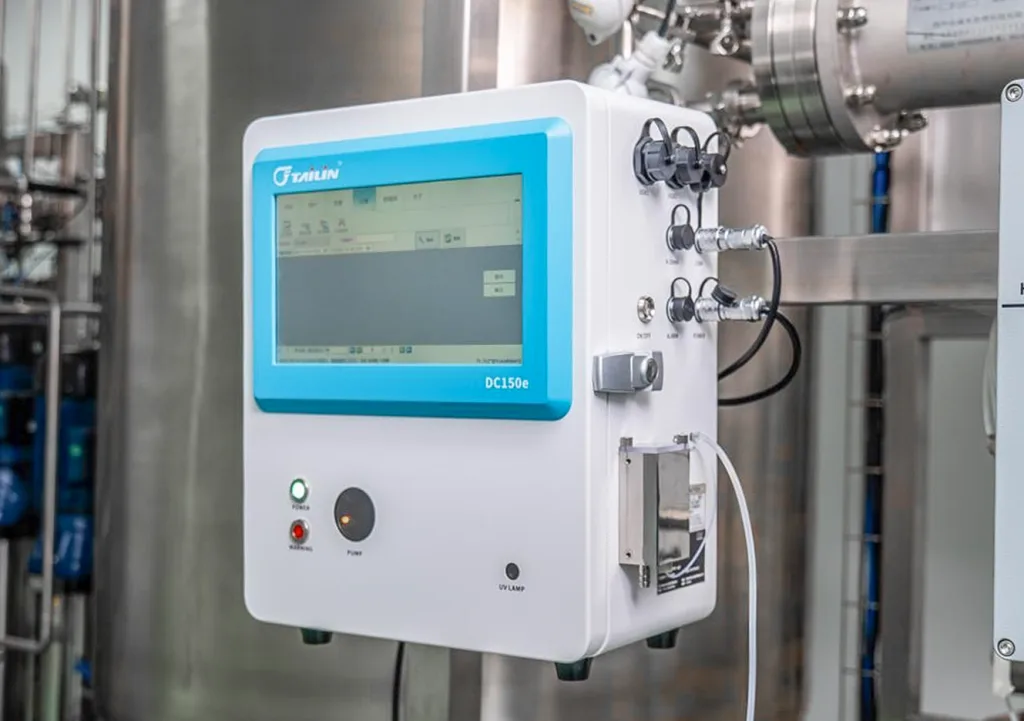
USP <1231> Revision 2027: Online TOC Monitoring and Analyzer Selection Guide
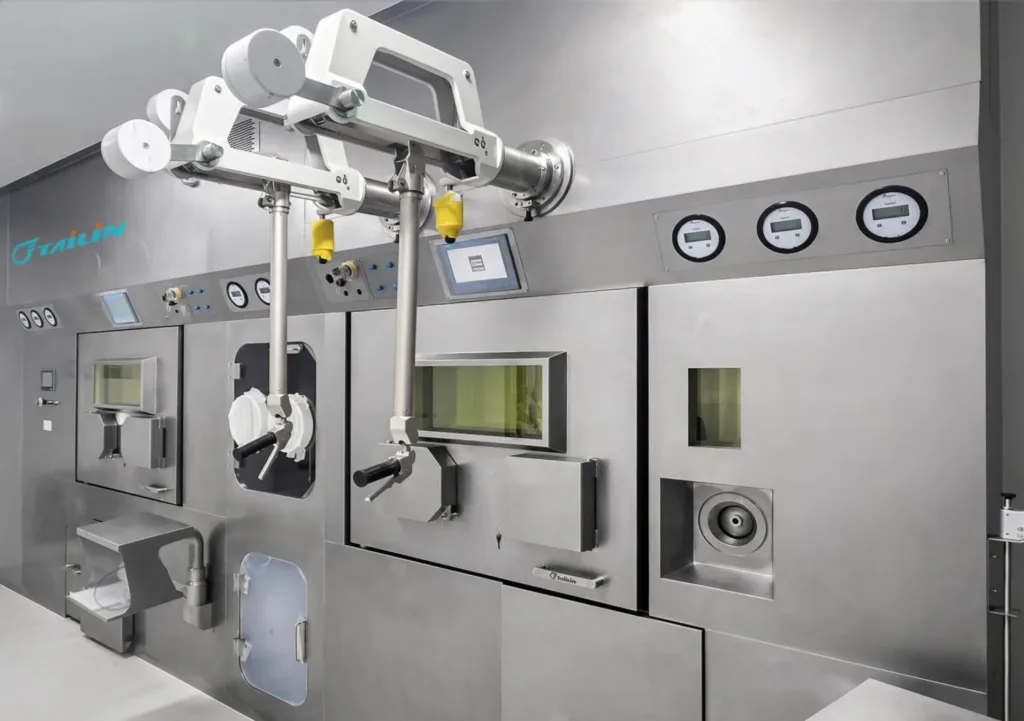
Radiopharmaceutical Manufacturing Solutions: 3 GMP Case Studies by Tailin
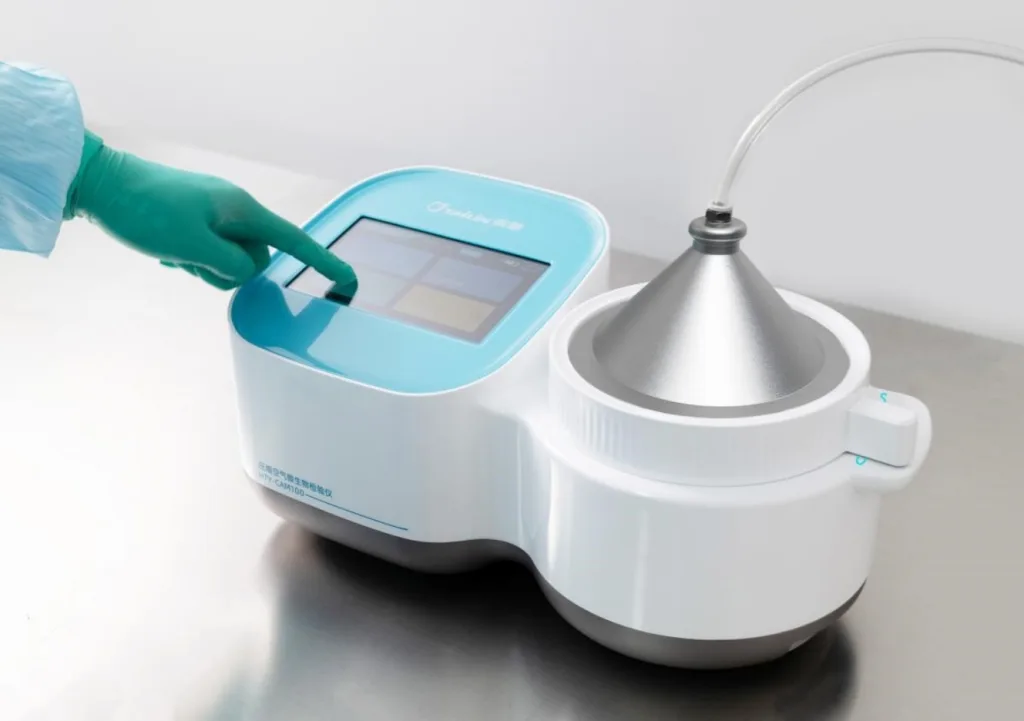
Microbial Testing of Compressed Gases in Pharmaceutical Manufacturing: From Regulatory Requirements to Method Selection