In lateral flow assays, the nitrocellulose (NC) membrane is far more than just a component — it is the core reaction platform where critical biological interactions take place.When test performance becomes inconsistent, many teams focus on antibodies, conjugates, or manufacturing processes. However, an often-overlooked factor is membrane storage.
Even a high-quality NC membrane can experience performance degradation if exposed to unsuitable environmental conditions.
NC membranes are primarily composed of nitrocellulose, a material highly sensitive to light, temperature, humidity, and chemical vapors.
Exposure to these factors can alter the membrane’s intricate structure, affect its hydrophilicity, and ultimately impact protein binding capacity and chromatographic performance. To ensure membrane stability and long-term assay reliability, teams must strictly adhere to scientific storage practices.
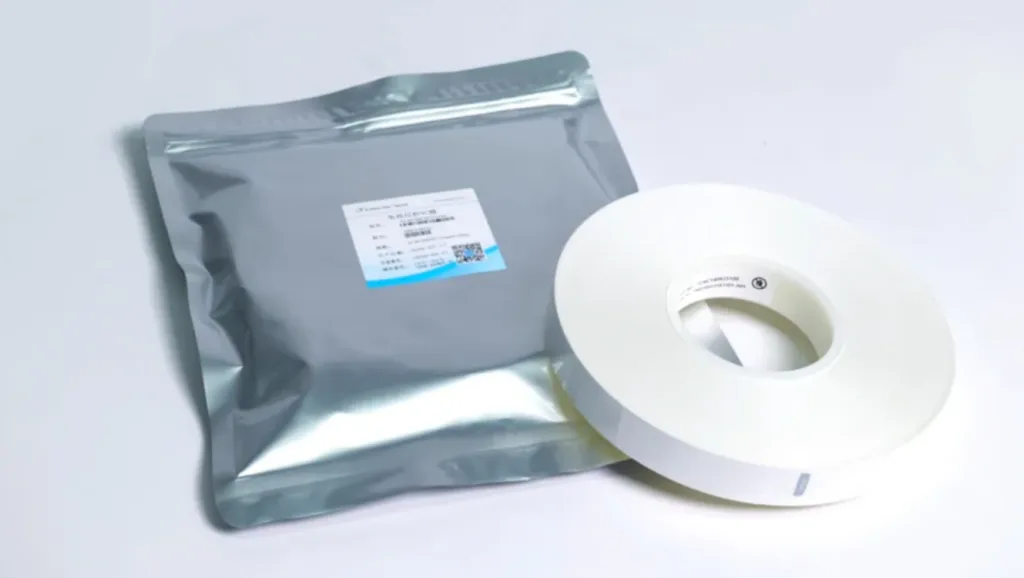
1. Keep It Sealed
Proper packaging helps maintain the membrane’s moisture balance and hydrophilic properties.
A well-sealed membrane is less likely to experience irregular liquid flow, poor striping performance, or inconsistent assay results.
2. Protect It From Light
Light exposure can trigger degradation reactions within nitrocellulose.
After use, membranes should be returned to their original foil packaging and stored in a light-protected environment whenever possible.
3. Control Temperature & Humidity
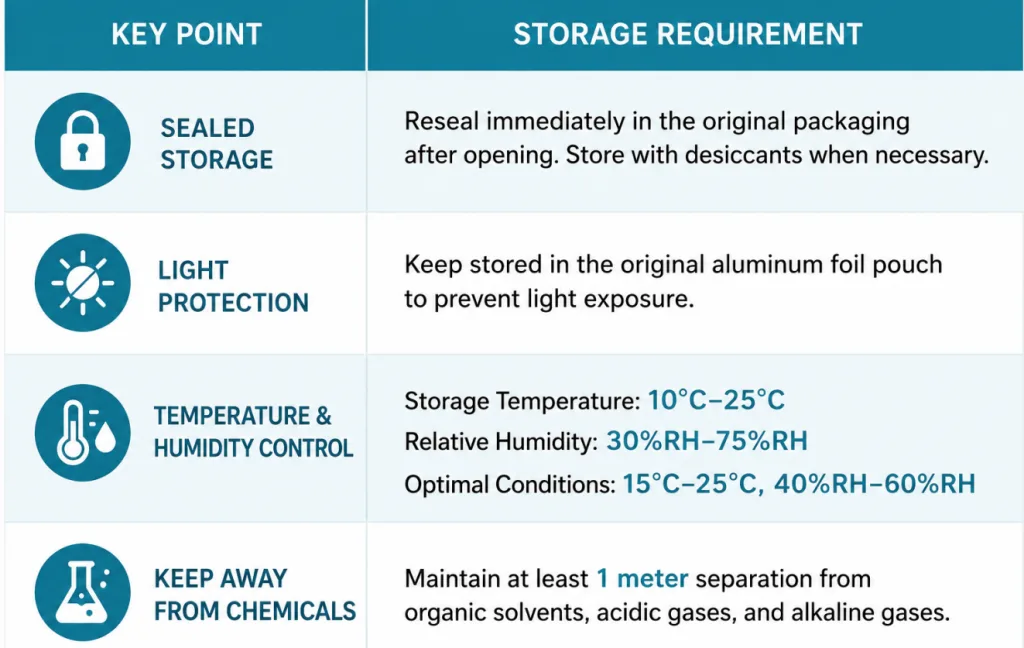
For ImmuTailin® NC Membranes, the recommended storage conditions are:
Mistake 1: Exposure to Excessive Heat
Temperatures above 30°C can accelerate nitrocellulose degradation, leading to:
Heat sources such as ovens, heaters, or direct sunlight should always be avoided.
Mistake 2: Failing to Manage Humidity Extremes
Both extremes can be harmful.
Low humidity (<30% RH):
High humidity (>80% RH):
In practice, improper humidity control is one of the leading causes of membrane deterioration.
Mistake 3: Chemical Contamination
NC membranes are highly sensitive to vapors from solvents such as:
Exposure can cause irreversible damage, including whitening, cracking, swelling, or loss of protein-binding capability. Membranes are also vulnerable to acidic and alkaline gases, so they should be kept at least 1 meter away from any source of organic solvents, acidic gases, or alkaline gases.
Once opened, NC membranes become even more vulnerable to environmental exposure. To maintain optimal performance during production and testing:
Quality control teams should regularly inspect materials. Discard the membrane immediately if you observe any of the following signs:
The performance of a lateral flow assay starts long before assembly. Proper storage of NC membranes is a simple but critical step that directly influences assay consistency, sensitivity, and reliability.
For manufacturers and diagnostic developers, establishing standardized storage procedures can help reduce material waste, improve batch-to-batch consistency, and ensure more dependable test results.
For more information or to explore partnership opportunities, please visit our website or contact us at phone: +86 571 8658 9087, email: marketing@tailingood.com. Stay connected with Tailin through our social media channels on Facebook, YouTube, LinkedIn and Instagram to witness our ongoing journey toward excellence and innovation.
Read Our One More Blog: How VH2O2/VHP Sterilization Supports for BSL-3 Laboratory Large-Space Decontamination