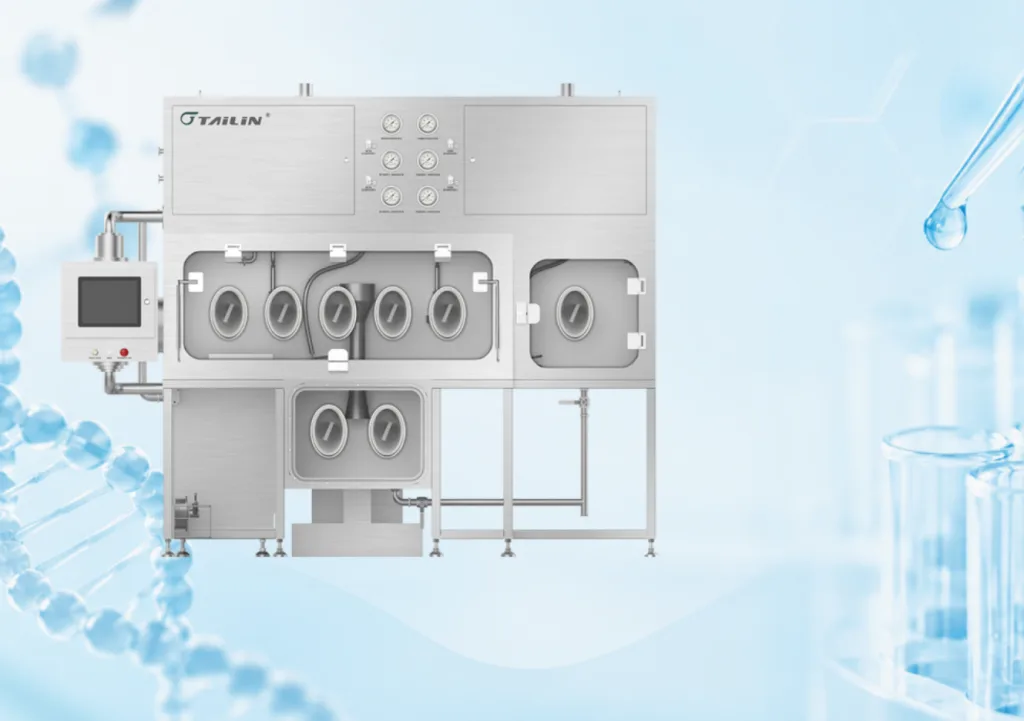
Containment Isolator
Used for ADC small molecule synthesis
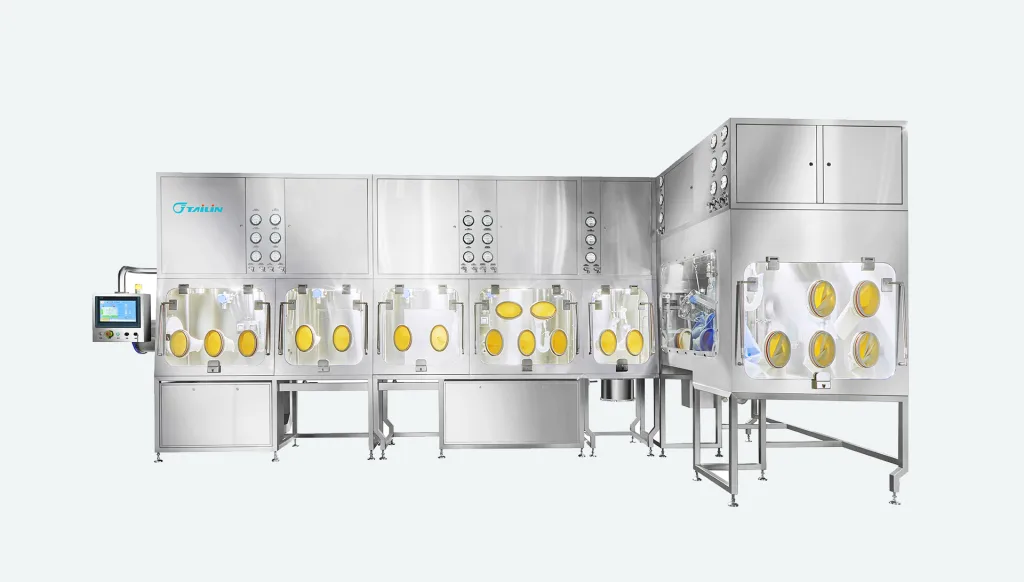
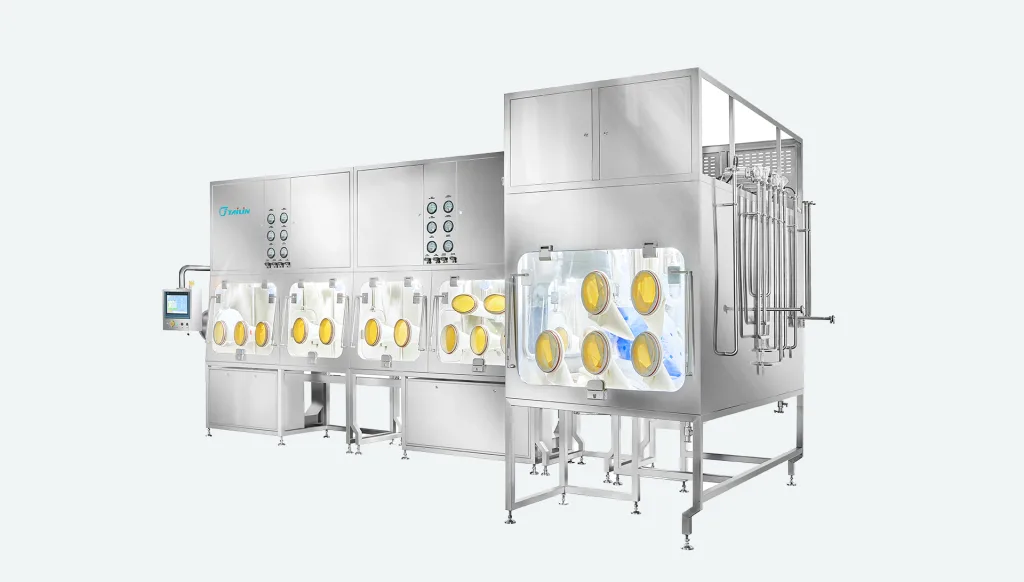
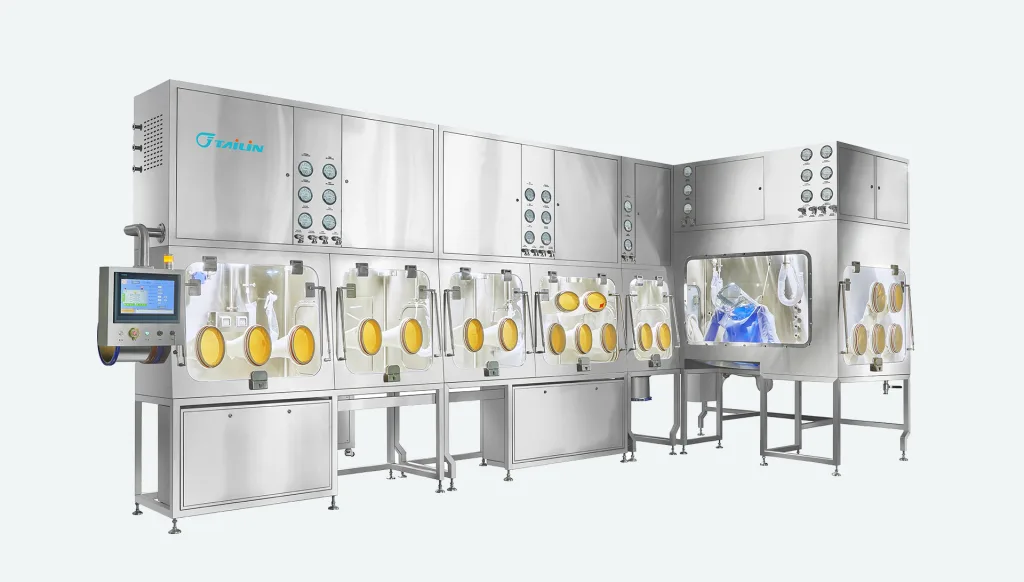
Tailin Containment Isolator is designed to protect operators during operations such as weighing, dispensing, drying, pressing, and filling of highly potent and toxic products. It is mainly applied in pharmaceuticals, cosmetics, bioproduct research, and physico-chemical laboratory studies. The system generates turbulent airflow through a high-pressure exhaust fan, maintaining negative pressure inside the working area. This design effectively prevents cross-contamination between internal and external environments, ensuring the safety of both personnel and the surrounding environment.
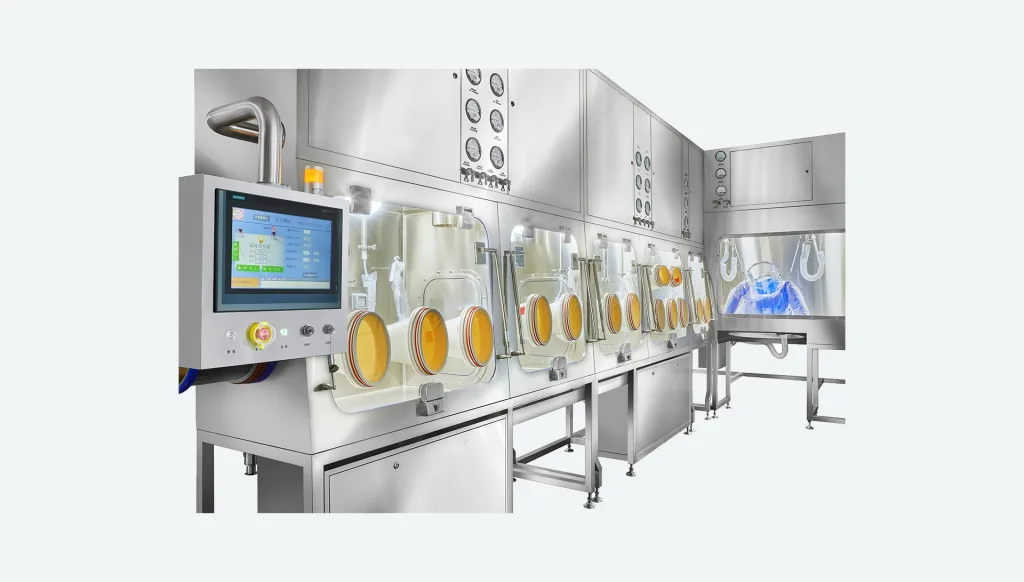
Model
Features
Meet OEB5 personal protection requirements and pass the third-party test, OEL<0.05μg/m³.
Internal explosion-proof.
Integrated rotary evaporation, filtration, drying, weighing, dispensing and capping processes.
Weighing accuracy 1/10,000.
The use of half-suits to operate in the rotary evaporation chamber meets the maximum operating radius.
Installed in a general background, ensuring a static Class C environment internally.
The materials are transferred through the continuous liner system.
Specifications
| Fresh Air Supply Volume: ≥600m³/h | Net Weight : 3000kg |
| Public Utilities: Clean compressed air 0.6Mpa<P<0.8Mpa | Power: 380V, 16.5kw (Isolator only) |
| Overall Size (mm) : 7122x3377x2985(L*W*H) | Doors: All doors are equipped with inflatable seal, the observation window is made of 15mm thickness tempered glass. |
| It is equipped with an exhaust port on the isolator top, and the piping is connected to the outdoor. | |
Applications
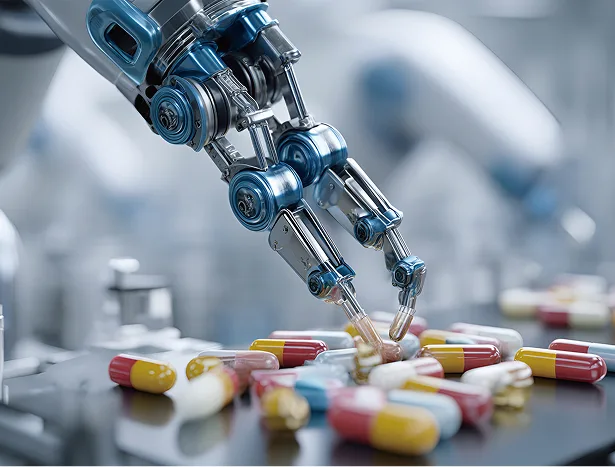
High-Potency Laboratory

Active Pharmaceutical Ingredients (APIs)

Solid Dosage Forms
Send Inquiry

Related Products
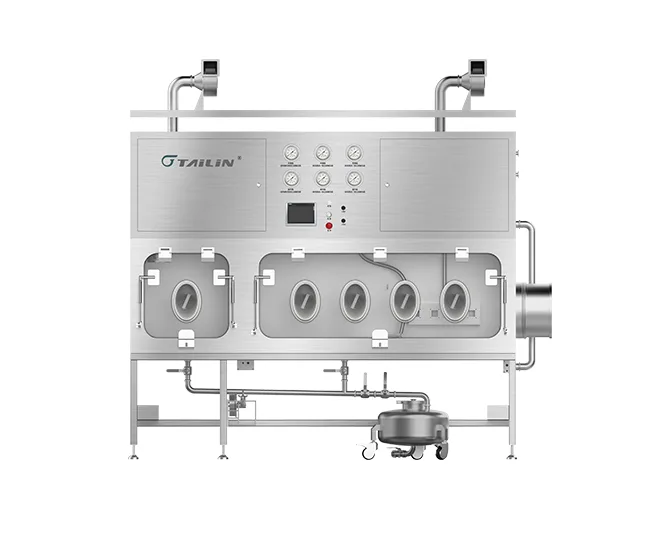
Containment Isolator
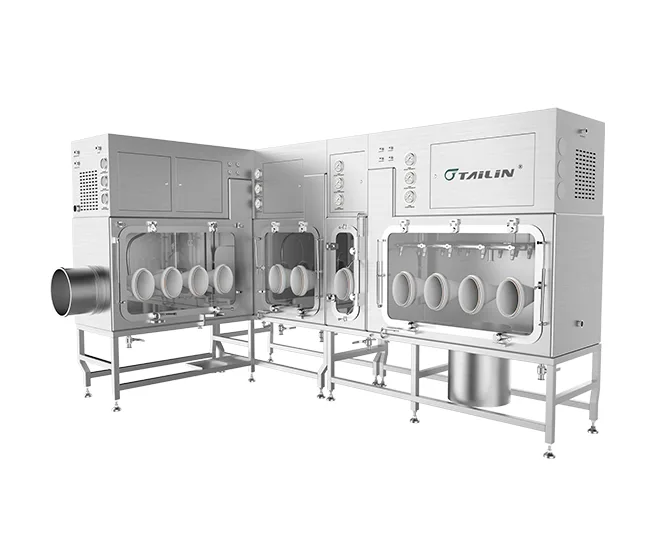
Containment Isolator
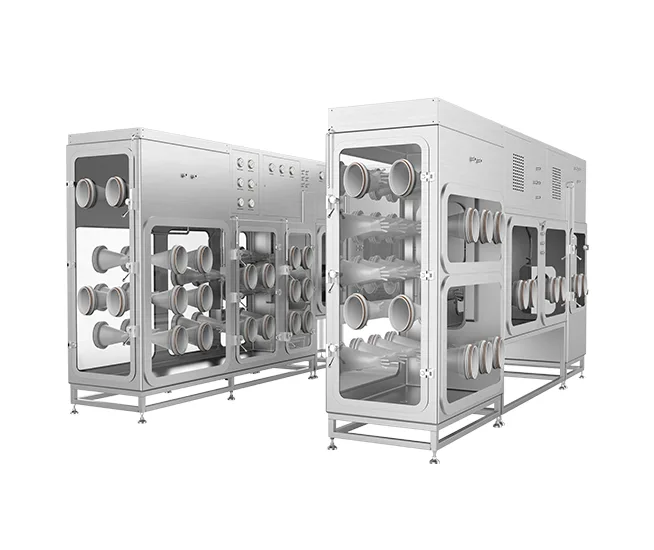
Containment Isolator
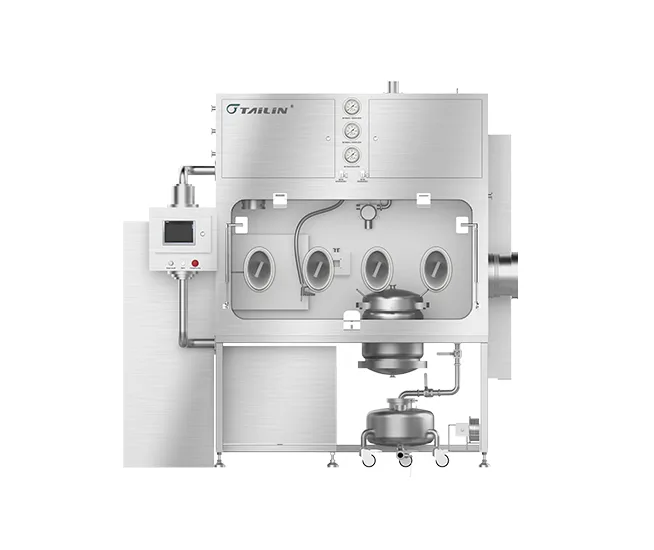
Containment Isolator
Articles
USP <1231> Revision 2027: Online TOC Monitoring and Analyzer Selection Guide
Radiopharmaceutical Manufacturing Solutions: 3 GMP Case Studies by Tailin
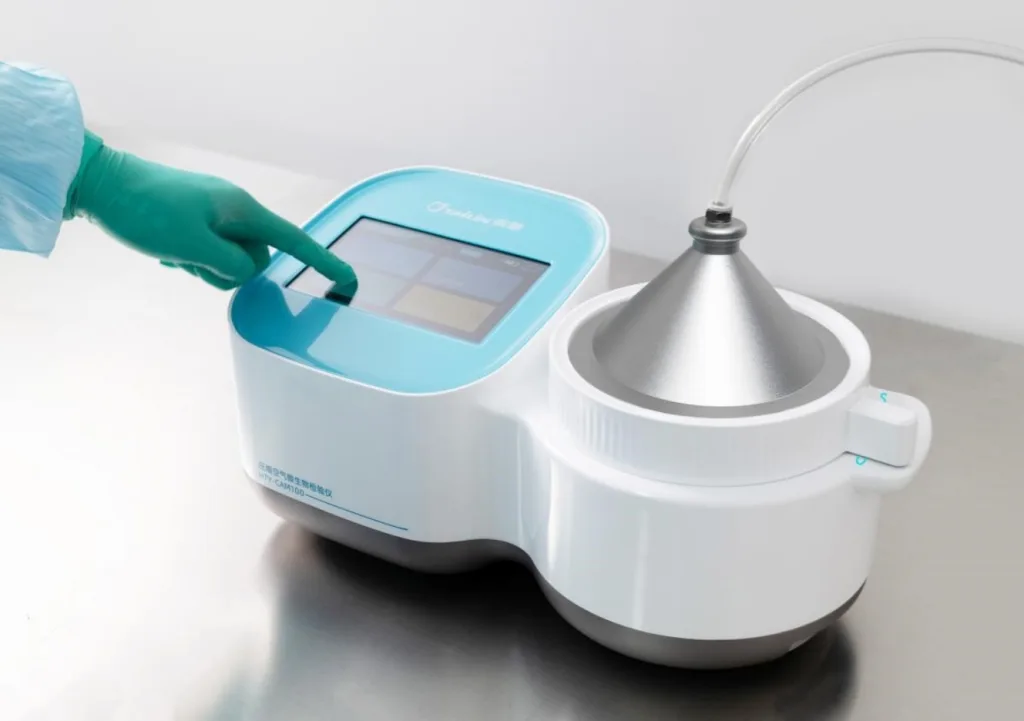
Microbial Testing of Compressed Gases in Pharmaceutical Manufacturing: From Regulatory Requirements to Method Selection