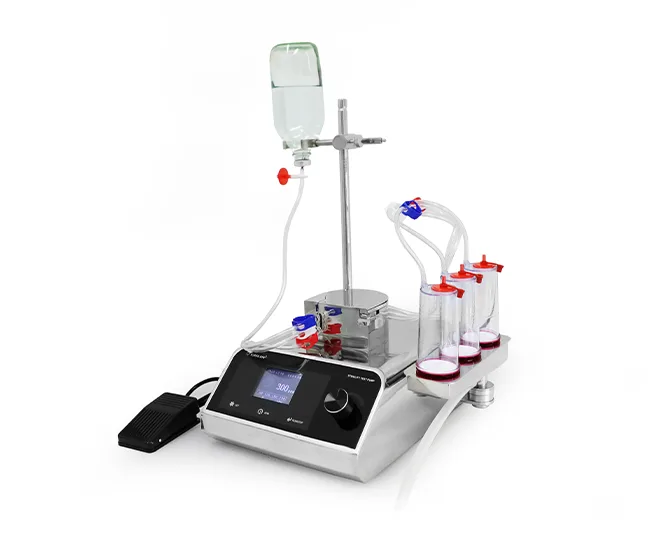
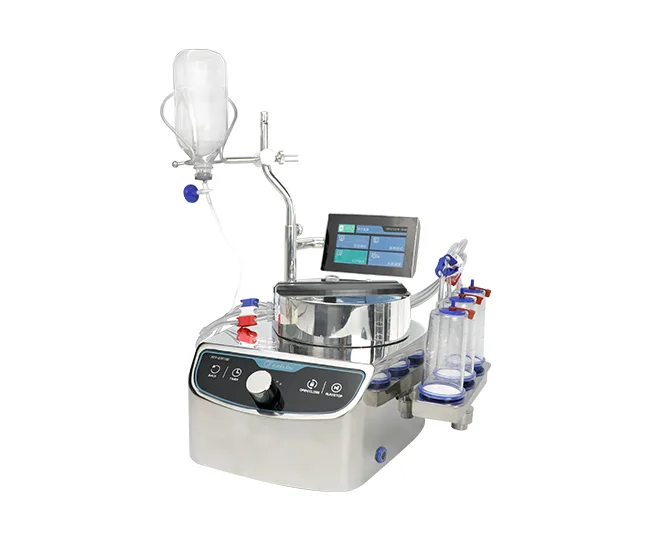
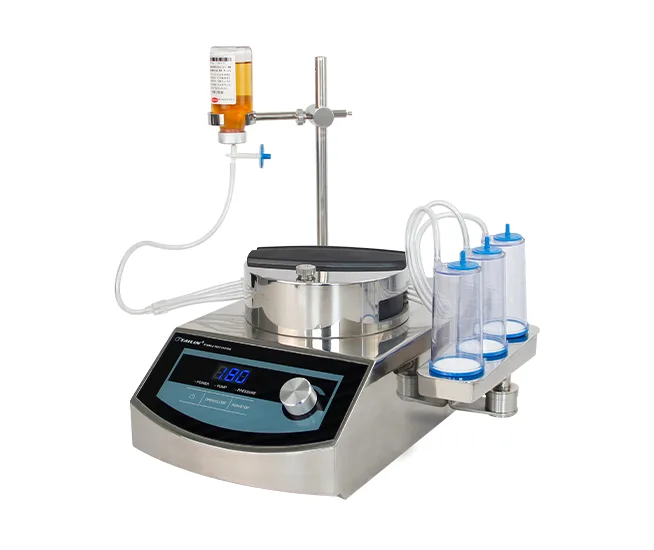
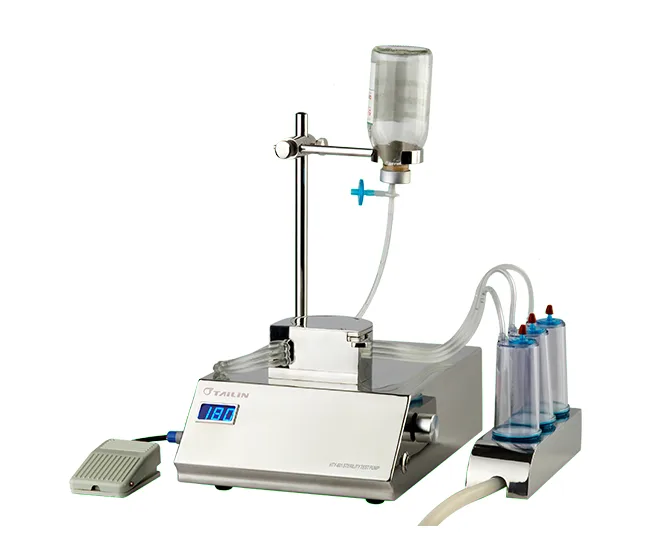
Tailin HTY-ASL01/02 sterility test pump allows free selection between normal mode and SOP mode. It can be connected to PC for SOP input. Sterility testing can be carried out according to the standardized SOP method, avoiding errors caused by human operation and making sterility testing smarter and easier, with results that are more accurate and reliable. It is also equipped with next-generation intelligent features such as linear tube loading, automatic tube clamping, and pressure safety protection.
Easy tube loading and an SOP operation mode for efficient use.
With pressure monitoring protection for safe operation.
Compatible with canisters from other brands.
Features
Tempered glass touch panel.
SOP/Normal Mode, SOP mode can store up to 300 test recipes.
Powerful motor with digital current control technology.
Safety hood to avoid glove pinching.
4 safety protection of overcurrent, overvoltage, overload and block.
Specifications
Power Supply: 95-260VAC/50-60Hz
N.W: 20kg
Material: 316L Stainless steel
Power: 120W
Bottle Holder Height: 43cm
Screen: 4.3" Colorful LCD
Speed: 1-300rpm
Dimensions: 22.5x40.0x13.5cm
Applications
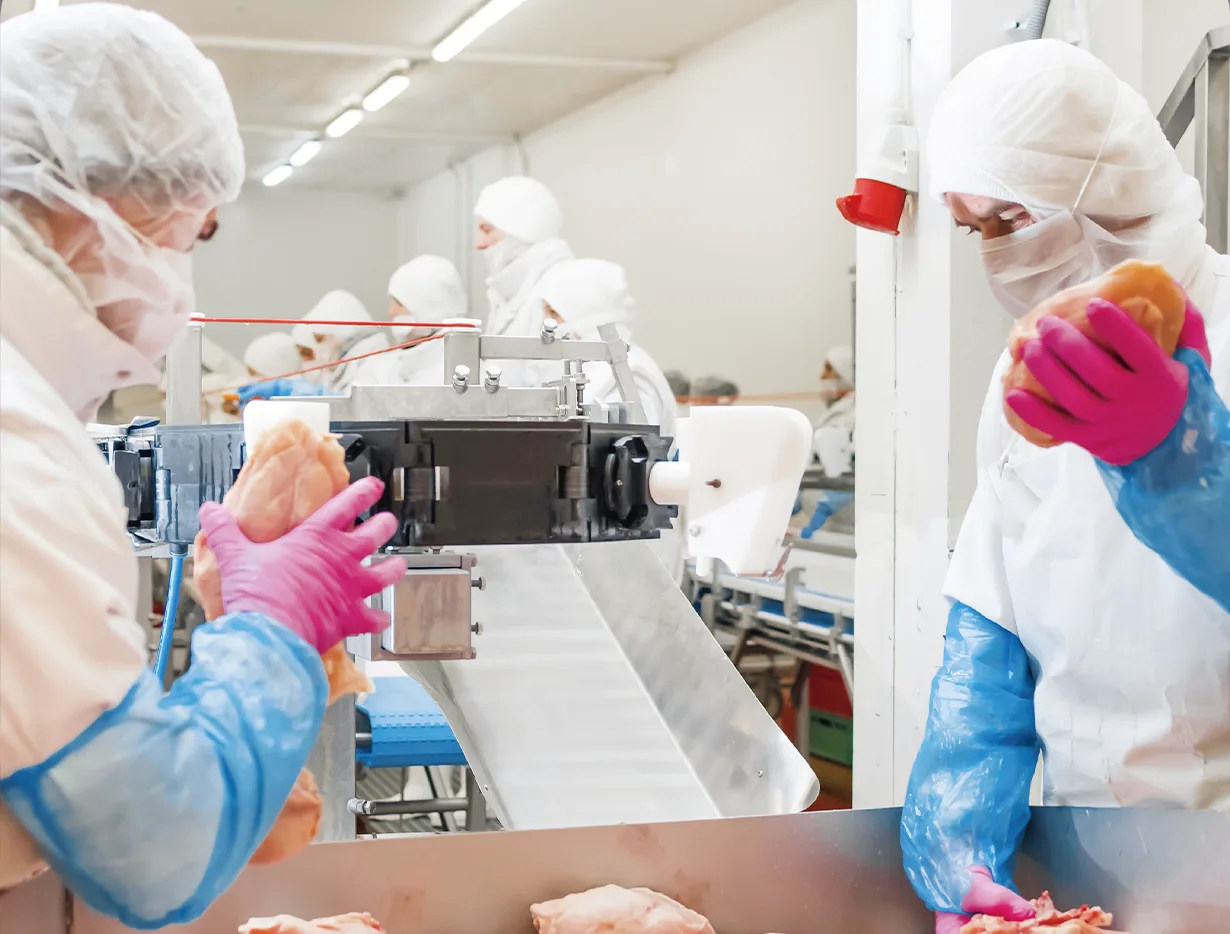
It is widely used for sterility test of sterile preparations, including antibiotics and preparations containing bacteriostatic ingredients, sterile APIs, I.V. fluids, aqueous injections, sterilized medical instruments, sterilized WFI, etc. It can also be used for microbial limit test of pharmaceuticals, food, beverages, and other industries with membrane filtration.
Pharmaceuticals
Food & Beverage
Biotechnology
FAQ
What happens if tubing is incorrectly installed or blocked during operation?
The system includes stall and overload protection, which can detect abnormal resistance such as tubing blockage or improper installation. When this occurs, the pump will automatically stop and trigger an alarm to prevent damage to samples or equipment.
Can the pump handle different flow rates for different test volumes?
Yes. The pump supports adjustable speed control, allowing users to adapt flow rates based on test requirements (e.g., different sample volumes or filtration speeds). This flexibility is important in environments where multiple product types are tested.
Can the pump operate continuously for high-throughput testing environments?
Yes, it is designed for repeated and continuous operation in QC labs. However, in high-throughput environments, periodic rest cycles and routine checks are recommended to ensure long-term motor stability and tubing integrity.
Can this pump be used with both membrane filtration and direct transfer methods?
It is primarily designed for membrane filtration-based sterility testing workflows, especially when paired with canister systems. For direct transfer methods, suitability depends on the overall experimental design, but it is not the primary intended application.
How should the Sterility Test Pump be maintained to ensure performance and reliable test results?
Daily Surface Sanitation: After every test, wipe the housing with sterile water to prevent microbial growth and “salt spots” (corrosion) caused by dried liquid spills. Ensure the drain tray is cleaned, sterilized, and dried before re-entering the cleanroom.
Quarterly Deep Cleaning: Regularly disassemble the pump head outside the cleanroom to remove tubing debris that can hinder roller rotation. This prevents mechanical wear and ensures the pump’s motor operates at peak efficiency.
Emergency Spill Response: If a liquid spill occurs during a test, immediately absorb the liquid to protect the power supply. Post-experiment, the device must be transferred out for a thorough internal cleaning and re-validation of flow accuracy.
Annual Performance Qualification (PQ): Conduct a formal performance check at least once a year. This includes verifying flow rate accuracy, distribution uniformity, and roller lubrication to meet GMP compliance and ensure consistent sterility assurance.