
PVDF Blotting Membrane
Widely used membrane material for Western blotting
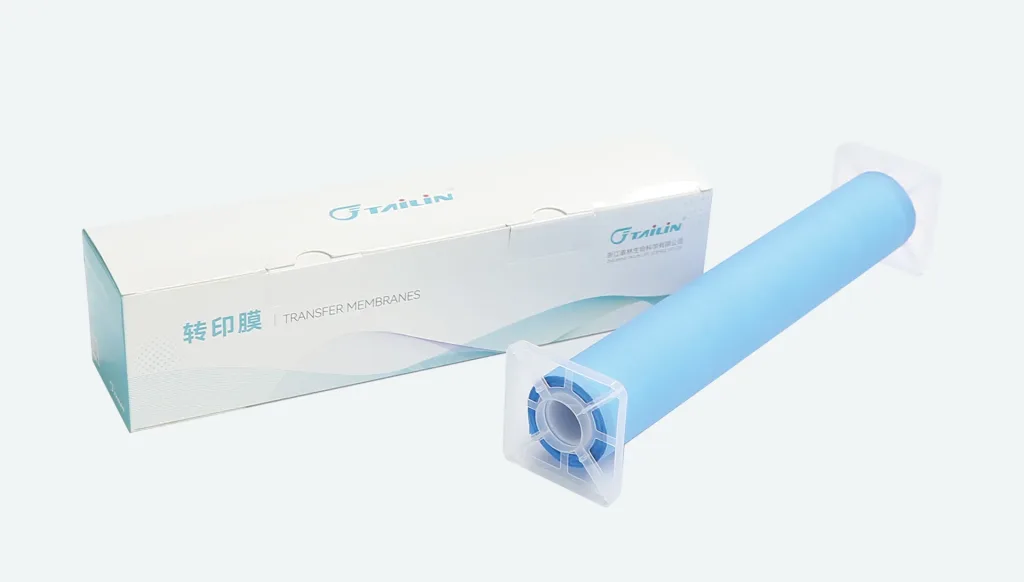
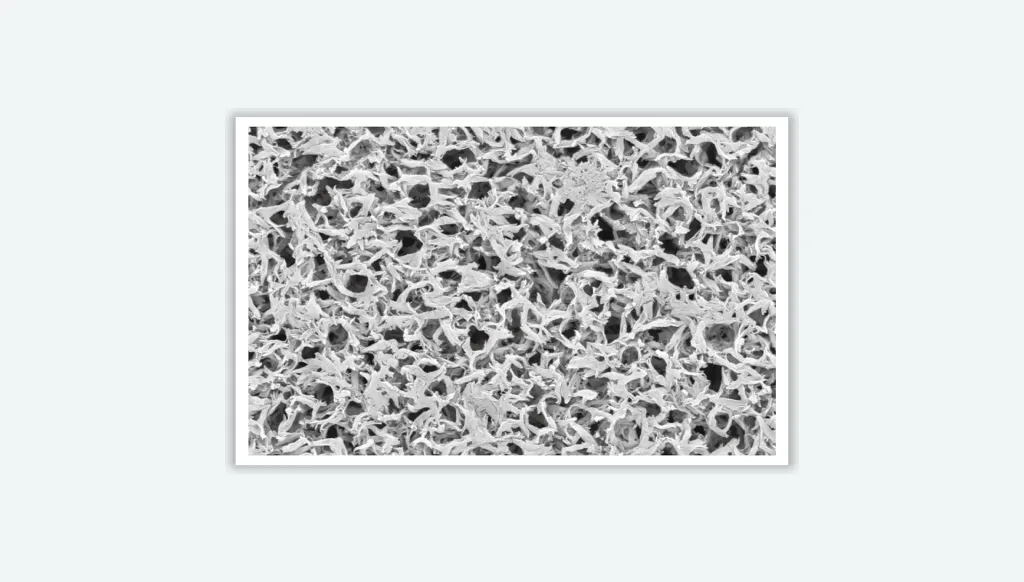
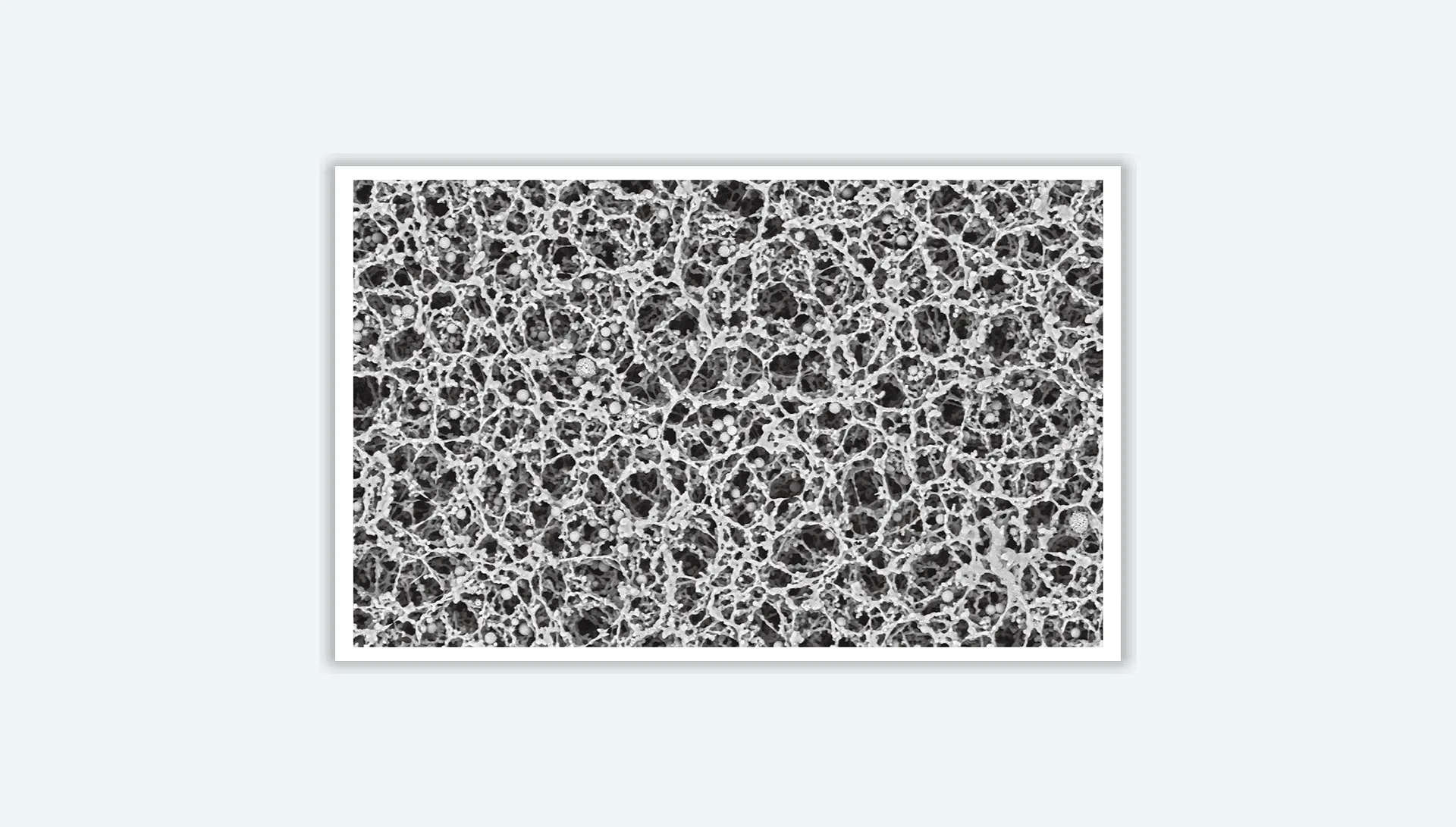
As an advanced high-performance PVDF membrane, polyvinylidene fluoride was first applied to Western Blot analysis in 1985. Owing to its superior protein binding capacity, higher chemical compatibility, and greater toughness compared to nitrocellulose (NC), this PVDF membrane has now become the most widely used material for Western blotting. Tailin PVDF blotting membrane is specifically engineered and optimized for demanding Western Blot applications, providing researchers with exceptional sensitivity, low background, and an overall superior user experience.
Model
Features
- High mechanical strength: With robust PVDF membrane material, allowing for multiple reproducible assays.
- High protein binding capacity: Maximizes binding affinity for high sensitivity.
- Broad chemical compatibility: Compatible with standard staining reagents and buffers.
- Low background, high signal-to-noise ratio: Ensures clean and clear detection results.
- High batch consistency: Delivers strict intra-batch and batch-to-batch stability across every PVDF membrane roll.
Specifications
| TLPVDF022R01 | PVDF, Pore Size 0.22μm, 250mm×4m, Rolling film |
| TLPVDF045R01 | PVDF, Pore Size 0.45μm, 250mm×4m, Rolling film |
Applications
Our premium PVDF membrane is widely trusted and utilized across various life science workflows, including:
- Western blotting
- Amino acid analysis
- Glycoprotein staining
- Slot blot
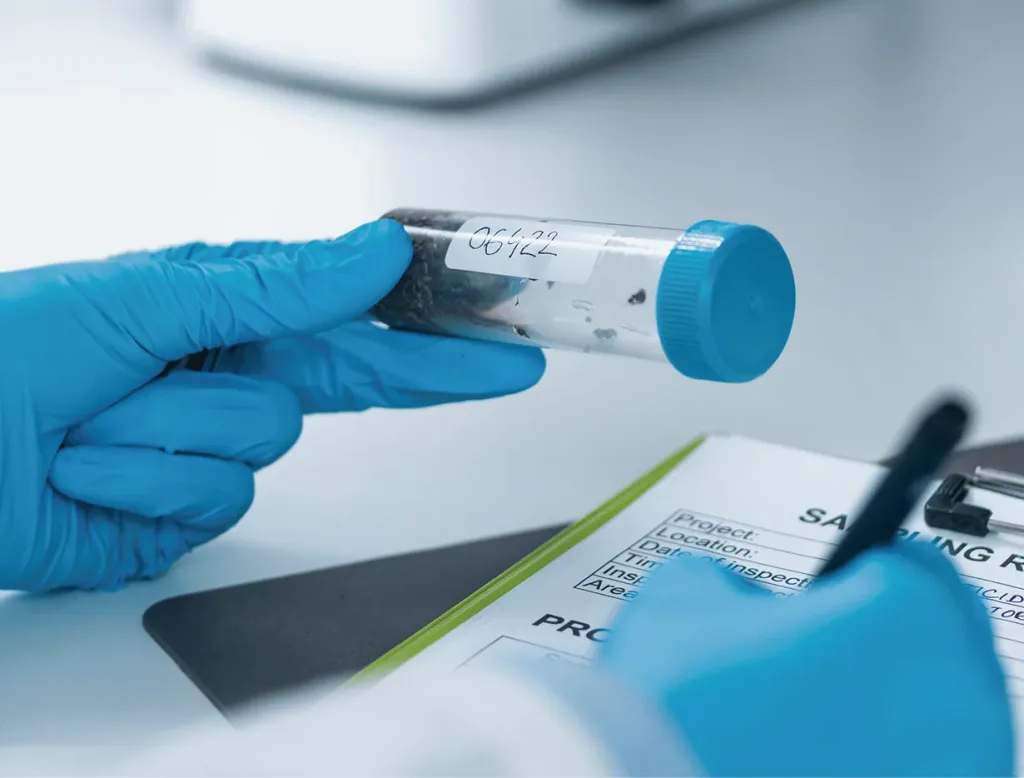
Education and Scientific Research

Basic Life Science Research

Biotechnology and Diagnostics
FAQ
Why choose Tailin PVDF blotting membrane for Western blotting?
Tailin PVDF membrane offers superior protein binding capacity, low background noise, and high mechanical strength, making it the preferred choice for researchers demanding high-sensitivity detection.
What are the available pore sizes for Tailin PVDF blotting membrane, and how should I choose?
Tailin offers our premium PVDF membrane in two standard pore sizes: 0.22μm and 0.45μm. The 0.22μm PVDF blotting membrane is typically recommended for capturing smaller proteins (under 20 kDa) or peptides, while the 0.45μm version is ideal for general Western blotting of proteins larger than 20 kDa.
We provide both Rolling Film and Membrane Disc formats in dimensions like 10cm*10cm, 9cm*6cm, and 15cm*15cm. Furthermore, custom sizes for our PVDF blotting membrane are available upon request subject to minimum order quantity (MOQ) requirements.
What are the thickness and protein size specifications for Tailin PVDF blotting membrane?
Tailin offers precise specifications based on pore size. The 0.22μm PVDF membrane features a typical thickness of 200±20 µm, best suited for proteins ≤ 20kDa. The 0.45μm PVDF blotting membrane has a typical thickness of 155±20 µm, optimized for proteins >20kDa.
Send Inquiry

Related Products
NC Blotting Membrane
PES Membrane XA-Type
PES Membrane V-Type
Infusion Filtration Membrane
Articles
Radiopharmaceutical Manufacturing Solutions: 3 GMP Case Studies by Tailin
Microbial Testing of Compressed Gases in Pharmaceutical Manufacturing: From Regulatory Requirements to Method Selection

Containment Isolator for Crushing and Weighing: The Ultimate GMP Solution for API Production