




Sterile filtration is one of those processes where every small detail matters. Whether you’re preparing injectable drugs, filtering cell culture media, or processing laboratory samples, the membrane you choose directly affects product quality, filtration efficiency, and process reliability. A membrane that delivers fast flow but sacrifices retention can create unnecessary risks, while one with poor throughput can slow production and increase operating costs.
Among today’s filtration materials, the Hydrophilic PES Membrane has become one of the most trusted solutions for pharmaceutical manufacturers, biotechnology companies, research laboratories, and water treatment facilities. Thanks to its naturally hydrophilic surface, low protein binding, and excellent chemical stability, it consistently performs well in demanding sterile filtration applications.
Tailin has developed high-performance Hydrophilic PES Membranes specifically for industries where filtration quality cannot be compromised. Their membrane technology combines high water flux with reliable particle retention, helping laboratories and manufacturers achieve consistent filtration results across different production batches. Tailin’s PES membranes feature a naturally hydrophilic surface, an asymmetric pore structure, broad chemical compatibility, excellent mechanical strength, and compatibility with common sterilization methods including autoclave, EO, and gamma irradiation. These characteristics make them suitable for pharmaceutical, biotechnology, laboratory, food, beverage, and water treatment applications.
Why Hydrophilic PES Membrane Has Become the Industry Standard
Not every filtration membrane behaves the same way. Materials differ in how they interact with liquids, proteins, chemicals, and microorganisms. That is exactly why membrane selection deserves careful attention.
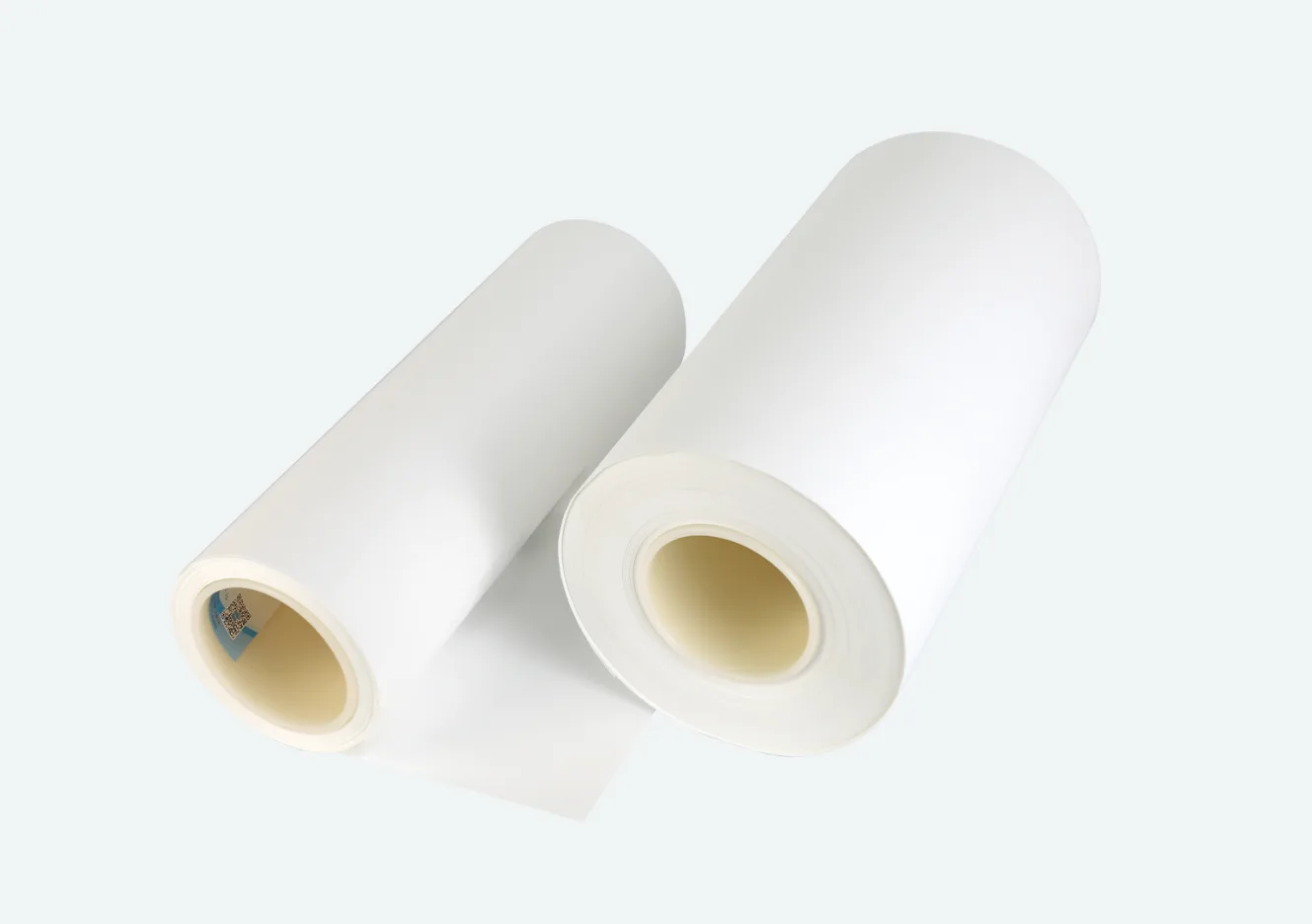
Natural Hydrophilicity Improves Filtration Efficiency
One of the biggest advantages of a Hydrophilic PES Membrane is that it naturally wets with water. Unlike hydrophobic materials that often require pre-wetting before filtration, PES is immediately ready for aqueous solutions.
This seemingly small advantage brings several practical benefits. Operators spend less time preparing filtration systems, filtration starts more quickly, and liquid spreads evenly across the membrane surface. The result is smoother operation with fewer interruptions during production.
High Flow Rates Without Compromising Sterility
In pharmaceutical manufacturing, production speed matters, but sterility matters even more.
Tailin’s Hydrophilic PES Membrane combines an asymmetric pore structure with high porosity, allowing liquids to pass through rapidly while maintaining reliable microbial retention. This balance between throughput and filtration performance helps manufacturers reduce processing time without sacrificing product safety.
Low Protein Adsorption Protects Valuable Samples
Many biological products contain proteins that are both expensive and sensitive. If a membrane absorbs those proteins during filtration, valuable product is lost before it even reaches the final container.
Hydrophilic PES Membrane is widely recognized for its naturally low protein binding characteristics. This allows proteins, enzymes, antibodies, and other biological molecules to pass through the membrane with minimal adsorption, improving recovery rates and maintaining sample integrity. Tailin’s PES membrane is specifically designed with low protein adsorption and low extractable levels, making it well suited for protein-containing solutions.
Key Factors to Consider When Choosing a Hydrophilic PES Membrane
Selecting a membrane is not simply about ordering a standard filter. The right choice depends on your process requirements, operating conditions, and the nature of the solution being filtered.
Pore Size Selection
The pore size determines what particles and microorganisms are retained during filtration.
A 0.22 μm Hydrophilic PES Membrane is commonly selected for sterilizing filtration because it effectively removes bacteria while maintaining strong flow performance. Larger pore sizes such as 0.45 μm are often chosen for clarification or prefiltration, where the objective is to remove larger particles before final sterile filtration. Tailin offers multiple pore size options, including 0.1 μm, 0.22 μm, 0.45 μm, 0.65 μm, and 0.80 μm to accommodate different filtration needs.
Chemical Compatibility
Different pharmaceutical formulations contain different buffers, salts, acids, or alkaline solutions.
A membrane with broad chemical compatibility allows laboratories to use the same filtration material across multiple applications without worrying about membrane degradation. PES performs well across a wide range of aqueous chemical environments, making it a practical choice for routine laboratory work as well as industrial production.
Mechanical Strength
Sterile filtration often involves pressure differences that place significant stress on the membrane.
A durable membrane maintains its integrity throughout the filtration process, reducing the risk of rupture, deformation, or inconsistent filtration. Tailin manufactures PES membranes with excellent mechanical strength and consistent pore distribution, helping maintain stable performance even during demanding filtration operations.
Where Hydrophilic PES Membranes Are Commonly Used
Because of their balanced performance, Hydrophilic PES Membranes have become an essential component in many industries.
Pharmaceutical Manufacturing
Sterile filtration is required throughout pharmaceutical production, including buffer preparation, injectable drug manufacturing, vaccine production, and sterile filling processes.
Reliable membrane performance helps manufacturers comply with strict quality standards while minimizing production downtime.
Biotechnology Research
Researchers frequently work with valuable biological samples that cannot tolerate protein loss.
Hydrophilic PES Membranes help preserve proteins while providing efficient clarification and sterile filtration for culture media, biological reagents, and laboratory solutions.
Food, Beverage, and Water Treatment
Beyond pharmaceutical applications, these membranes are also used for beverage clarification, purified water production, laboratory water filtration, and industrial process filtration where stable performance and consistent quality are equally important. Tailin identifies sterile filtration, bacterial reduction, clarification filtration, laboratory filtration, food and beverage processing, semiconductor manufacturing, and water treatment among the primary applications for its PES membrane products.
A Brief Look at PVDF Membrane Technology
Although Hydrophilic PES Membranes are often the preferred choice for sterile filtration of aqueous and protein-containing solutions, PVDF Membrane technology also plays an important role in modern filtration systems. Hydrophilic PVDF membranes offer extremely low protein adsorption, high water flow rates, excellent chemical compatibility, and strong resistance to heat and oxidation. These characteristics make them particularly useful for culture media filtration, solvent filtration, chromatographic sample preparation, and applications involving more aggressive chemical environments. Rather than replacing PES, PVDF provides another reliable option when specific process conditions require enhanced chemical resistance or broader solvent compatibility.
Why Tailin Hydrophilic PES Membranes Stand Out
Choosing a membrane supplier involves more than comparing technical specifications. Long-term consistency, manufacturing quality, and dependable product performance are equally important.
Tailin has built its filtration solutions around the practical needs of pharmaceutical manufacturers, biotechnology companies, and laboratory professionals. Every Hydrophilic PES Membrane is designed to provide stable pore structure, high water flux, excellent retention efficiency, and consistent quality between production lots. The membranes are also compatible with multiple sterilization methods, making them easier to integrate into existing manufacturing workflows.
Reliable filtration reduces production risks, minimizes product loss, and supports regulatory compliance. For organizations where every filtered batch matters, selecting a proven membrane supplier is an investment in both efficiency and product quality.
Choosing the best Hydrophilic PES Membrane is about understanding the entire filtration process rather than focusing on a single specification. High flow rates, low protein adsorption, natural hydrophilicity, strong mechanical strength, and broad chemical compatibility all contribute to better sterile filtration performance.
Tailin’s Hydrophilic PES Membrane combines these qualities into a dependable filtration solution that supports pharmaceutical manufacturing, biotechnology research, laboratory testing, and industrial filtration. By selecting the right membrane for your application, you can improve process efficiency, protect valuable samples, and achieve more consistent sterile filtration results every time. We welcome you to visit our website for more information or reach out via phone: +86‑571‑8658 9087, email: marketing@tailingood.com to discuss collaboration opportunities. Don’t forget to follow Tailin on Facebook, YouTube, and Instagram to witness our milestones and join us as we explore new horizons in life sciences, building a brighter and healthier future together.
Read Our One More Blog: Tailin TOC Analyzer for Accurate Water Quality Testing
